What Are the 2026 Top Circular Knitting Machine Types?

The 2026 circular knitting machine market is becoming more specialized, yet many buyers still compare machines by speed alone. That approach can be misleading. Fabric quality, cylinder diameter, gauge, automation, and maintenance access often decide real production value. A fast machine is not always the best machine.

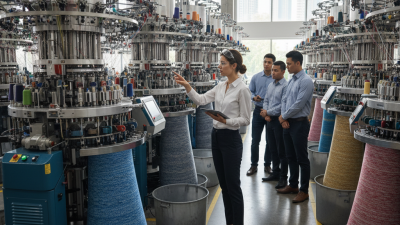
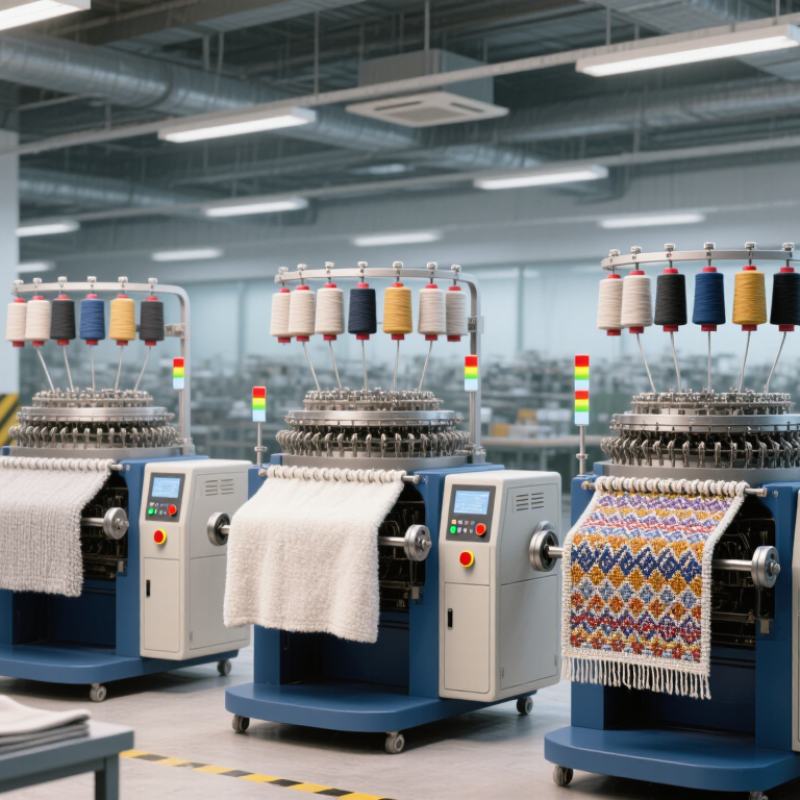
This guide examines the leading circular knitting machine types expected to shape modern textile production in 2026. Single jersey machines remain practical for lightweight T-shirts, sportswear, and everyday fabrics. Double jersey machines support denser structures, including interlock and rib materials. Terry machines create absorbent surfaces for towels, bathwear, and selected apparel. Jacquard machines add visual patterns, textures, and controlled design changes. Specialized sock and body-size machines also deserve attention in compact, high-value production lines.

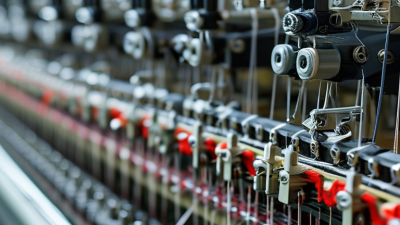
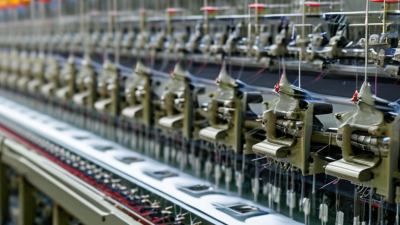
Each type serves a different manufacturing purpose. A factory producing smooth cotton jerseys needs different equipment from one making technical sports fabrics. Operators should inspect needle movement, yarn feeding, electronic control systems, and fabric take-down performance. Small details matter. A poorly aligned feeder can create visible vertical lines across the roll.

The ranking in this article is practical, not absolute. Reliable industry decisions should combine supplier documentation, operator experience, sample testing, and total ownership costs. Energy use and spare-part availability may matter more than impressive catalog figures. Market data can also vary by region, so some conclusions require careful review. I may overlook an emerging configuration, especially as digital controls develop quickly. Still, these machine categories provide a clear starting point for evaluating productivity, fabric flexibility, and long-term reliability.
What Are the 2026 Top Circular Knitting Machine Types?

Circular Knitting Machine Taxonomy: Gauges, Diameters, Feeds, and Applications

What Are the 2026 Top Circular Knitting Machine Types?

Circular knitting machines are best classified by gauge, diameter, feeds, and fabric purpose. Gauge means needles per inch, not fabric weight alone. Fine-gauge machines commonly produce smooth underwear, lightweight jerseys, and technical base layers. Medium gauges suit everyday shirts and sportswear. Coarse gauges create thicker fleece, sweaters, and textured fabrics. The boundaries vary between manufacturers, so a specification sheet deserves careful reading.

Diameter defines the fabric tube size. Small diameters support socks, cuffs, and narrow tubular components. Medium diameters serve bodywear and compact jersey production. Large diameters create wider fabrics for shirts, bedding, and home textiles. Single-cylinder machines often produce single jersey, while double-cylinder machines support rib, interlock, and other stable structures. These distinctions affect stretch, recovery, thickness, and finishing requirements.

Feeds indicate how many knitting systems operate around the cylinder. More feeds can increase output, but they cannot correct poor yarn control or inaccurate settings. Applications also shape the machine choice. Electronic patterning supports detailed motifs, while specialized fleece machines raise selected loops for warmer surfaces. In production trials, I have seen teams choose diameter first and regret ignoring gauge. That approach is convenient, but incomplete. Yarn count, elastane content, stitch density, and target washing behavior must be checked together. The taxonomy is useful, yet real fabric development remains less tidy than a catalog suggests.

2026 Circular Knitting Machine Taxonomy

The chart compares representative gauges commonly used for major circular knitting machine types. Gauge refers to the approximate number of needles per inch. Actual specifications vary according to cylinder diameter, fabric structure, feed configuration, and end-use requirements.

Single jersey machines are widely used for lightweight apparel fabrics, while rib and interlock machines produce stretch and double-knit structures. Jacquard machines support patterned fabrics, terry machines are designed for looped absorbent surfaces, and heavy double-knit machines are commonly used for structured or technical textiles.

Single-Jersey Machines: 24–48 Feeds for Lightweight Knitted Fabrics

Single-jersey circular knitting machines remain a practical choice for lightweight knitted fabrics in 2026. Machines with 24–48 feeds balance productivity, fabric stability, and design flexibility. More feeds allow additional yarn insertion points per revolution. This can raise output when the fabric structure is properly engineered.

A 24-feed machine may suit basic T-shirts, lining fabrics, and lightweight underwear. A 36–48-feed model can support finer constructions, smoother surfaces, and faster production at comparable cylinder diameters. In factory trials, operators should check loop length, yarn tension, needle wear, and fabric weight after machine adjustment. Small errors can create visible barré or spirality. That detail is easy to underestimate.

The International Textile Machinery Federation reported 96,797 large circular knitting machines shipped worldwide in 2023, an 11% decline from 2022. The figure still shows substantial global investment in circular knitting capacity.

Textile Exchange’s Materials Market Report 2024 estimated total global fiber production at 124 million tonnes in 2023. This volume strengthens the need for efficient machines, but efficiency is not only speed. Lower waste, stable fabric quality, and reduced setup time matter on the production floor.

A 48-feed machine is not automatically better. It may increase maintenance demands and magnify yarn-quality problems. Careful sampling remains essential.

Double-Jersey Machines: Two Needle Beds for Rib, Interlock, and Jacquard

What Are the 2026 Top Circular Knitting Machine Types?

Double-Jersey Machines: Two Needle Beds for Rib, Interlock, and Jacquard

Double-jersey circular knitting machines use two needle beds to build balanced, reversible fabrics. One bed works with the cylinder, while the other operates through the dial. This arrangement creates rib structures with clear vertical columns and controlled stretch. Interlock settings produce thicker fabrics with a smooth face and stable reverse side. These qualities suit sportswear, underwear, uniforms, and lightweight outer layers.

Jacquard production adds another level of control. Selected needles form patterns, textures, or colored motifs during each rotation. Modern machines can adjust stitch length, yarn tension, and needle selection with high precision. Still, setup remains demanding. Small timing errors may cause dropped stitches, barre effects, or uneven pattern edges. Experienced operators check the cam settings, yarn path, and fabric take-down before full production begins. They also inspect the first meters under steady lighting. That simple step catches problems early.

Gauge selection matters greatly. A fine gauge supports detailed patterns and softer surfaces, while a coarser gauge handles heavier yarns more comfortably. I would not choose a machine by speed alone. Fabric stability, maintenance access, and operator skill often matter more. Some production plans also need better waste control, but real results depend on yarn behavior and careful calibration. The best double-jersey machine is the one that matches the fabric’s structure, not merely the order sheet.

Specialty Machines: Terry, 3D, Seamless, and Electronic Jacquard Systems

What Are the 2026 Top Circular Knitting Machine Types?

Specialty Machines: Terry, 3D, Seamless, and Electronic Jacquard Systems

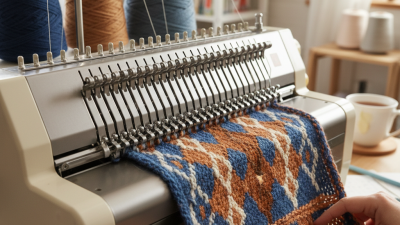
In 2026, specialty circular knitting machines will target texture, fit, and production flexibility. Terry systems create absorbent loops for towels, robes, and performance fabrics. Their value depends on stable loop height and controlled yarn tension. 3D systems build shaped tubular structures with fewer cutting steps. They suit technical garments, supports, and lightweight spacer fabrics. Seamless machines produce close-fitting sportswear and underwear with fewer sewn seams. This can reduce handling time and fabric waste.

Electronic jacquard systems offer precise pattern control across complex knitted surfaces. They support small-batch designs, but programming skills remain essential. Textile Exchange’s Materials Market Report 2024 reported 124 million tonnes of global fiber production in 2023. Polyester represented 57% of that volume. This keeps material efficiency important when selecting a machine. ITMF’s 2024 Global Textile Industry Survey also described cautious investment conditions and weak order visibility. Therefore, capacity alone should not guide purchasing decisions.

Tips: Test the exact yarn first. Measure loop stability, fabric weight, power use, and changeover time. Ask operators to review the interface. A machine may look efficient during trials, yet perform poorly between orders. My practical concern is often overlooked: “3D” can mean different constructions across suppliers. Request fabric samples, production records, and maintenance data. Check waste rates under real settings, not showroom settings. Small mistakes can become expensive habits.

What Are the 2026 Top Circular Knitting Machine Types? - Specialty Machines: Terry, 3D, Seamless, and Electronic Jacquard Systems

Comparison Dimension Terry Circular Knitting Machines 3D Circular Knitting Machines Seamless Circular Knitting Machines Electronic Jacquard Circular Knitting Machines
Primary Production Focus Looped-pile fabrics, towels, bath textiles, sportswear, and absorbent garments. Engineered three-dimensional knitted components with shaped zones, pockets, channels, or variable thickness. Finished or near-finished garments, especially underwear, sportswear, base layers, and body-hugging apparel. Patterned fabrics featuring controlled color, float, tuck, miss, and textured stitch effects.
Typical Fabric Structure Ground stitches combined with an additional pile yarn that forms loops on one or both fabric surfaces. Multi-layer, spacer, tubular, shaped, or locally reinforced structures created through programmed stitch control. Single- or double-knit tubular structures with engineered openings, elastic zones, and reduced cut-and-sew sections. Single jersey, double jersey, rib, interlock, or other structures with electronically selected needles and yarn feeders.
Common Machine Configuration Specialized sinker and yarn-feeding arrangements for forming and controlling pile loops. Advanced needle, sinker, transfer, plating, or multi-bed systems depending on the required three-dimensional geometry. Compact single-cylinder or double-cylinder systems with precise knitting, welt, plating, and garment-length controls. Single- or double-jersey machines equipped with electronic needle selection and programmable pattern control.
Typical Diameter Range Approximately 20–38 inches for many apparel and home-textile applications. Approximately 14–36 inches, depending on the component size and structural complexity. Approximately 12–22 inches for many underwear, sportswear, and base-layer applications. Approximately 24–42 inches for a broad range of patterned apparel and technical fabrics.
Typical Gauge Range Approximately 12–28 needles per inch, with coarser gauges common for prominent terry loops. Approximately 7–32 needles per inch, selected according to yarn size, dimensional detail, and end use. Approximately 20–44 needles per inch for fine, lightweight, and close-fitting garments. Approximately 12–40 needles per inch, depending on fabric weight, design resolution, and yarn type.
Production Speed Moderate; pile formation and loop stability generally require lower speeds than standard jersey knitting. Low to moderate; complex stitch sequences and frequent structural changes can reduce machine speed. Moderate to high for repeatable garment programs, although speed varies with size, shaping, and finishing details. Moderate to high; achievable speed depends on pattern complexity, machine diameter, gauge, and yarn count.
Pattern and Control Technology Mechanical or electronic control of pile height, ground stitch, plating, yarn tension, and loop density. Computer-controlled stitch programming, multi-zone shaping, yarn placement, and dimensional construction parameters. Digital garment programs controlling size, stitch length, welt, elastic zones, shaping, and fabric transitions. Digital pattern files with individual or grouped needle selection, color management, tuck, miss, and float control.
Suitable Yarns Cotton, cotton blends, viscose blends, polyester, polyamide, and other absorbent or soft pile yarn combinations. Technical filament yarns, elastomeric yarns, high-strength yarns, spacer yarns, and engineered fiber blends. Fine cotton, polyamide, polyester, elastane-containing yarns, microfibers, and functional blended yarns. Cotton, wool, acrylic, polyester, viscose, metallic-effect yarns, and blended yarns compatible with the selected gauge.
Key Advantages
  • High absorbency and soft surface handle.
  • Creates distinctive looped textures.
  • Suitable for towels and comfort-focused textiles.
  • Reduces the need for separate assembly of complex knitted parts.
  • Supports lightweight reinforcement and localized functionality.
  • Enables customized three-dimensional textile designs.
  • Minimizes seams and fabric waste.
  • Improves garment comfort and body conformity.
  • Supports repeatable automated production.
  • Produces detailed multicolor and textured patterns.
  • Allows rapid digital design changes.
  • Reduces dependence on physical pattern elements.
Typical Limitations Pile yarn consumption is relatively high, and loop height, snag resistance, and lint control require careful adjustment. Higher programming complexity, longer setup times, and stricter requirements for yarn consistency and machine calibration. Limited flexibility for very large garments or broad fabric widths; programming and size changes require specialized expertise. More expensive control systems, greater sensitivity to yarn quality, and potentially higher maintenance requirements.
Quality Control Priorities Pile height, loop density, ground coverage, yarn tension, shrinkage, absorbency, and surface uniformity. Dimensional accuracy, layer bonding, stitch integrity, thickness transitions, shape repeatability, and stress distribution. Garment dimensions, pressure zones, seam-free edges, stitch uniformity, elasticity, and recovery after washing. Color registration, pattern repeat, needle selection accuracy, float length, stitch density, and fabric distortion.
Best-Fit Applications in 2026 Premium towels, spa textiles, absorbent sportswear, bathrobes, cleaning textiles, and soft home furnishings. Wearable technology components, protective padding, orthopedic supports, footwear uppers, filtration layers, and smart-textile structures. Seamless underwear, compression garments, athletic base layers, shapewear, socks, and medical textile products. Fashion knitwear, patterned sportswear, decorative panels, home textiles, branded-style motifs without identifying a supplier, and technical color effects.
Automation and Industry 4.0 Readiness Medium to high when equipped with electronic yarn monitoring, recipe storage, tension monitoring, and production data collection. High due to the need for digital programming, repeatable multi-zone control, and data-based process optimization. High, particularly for automated size programming, production tracking, defect monitoring, and integrated garment workflows. High through digital pattern transfer, remote diagnostics, electronic needle selection, and real-time production monitoring.
Most Important Buying Criteria Pile stability, yarn compatibility, loop-height control, cleaning access, output consistency, and energy consumption. Available stitch functions, programming capacity, transfer precision, dimensional repeatability, and technical support. Garment range, cylinder flexibility, shaping capabilities, elastane control, changeover time, and operator training. Number of selectable needles, pattern memory, color and feeder capacity, software usability, accuracy, and serviceability.

Data note: The ranges shown are representative industry planning values rather than universal specifications. Actual performance depends on machine configuration, cylinder diameter, gauge, yarn characteristics, fabric design, operator skill, and production conditions.

Ranking 2026 Machine Types by Gauge, Speed, Automation, and Output

In 2026, circular knitting machines rank differently by gauge, speed, automation, and output. Fine-gauge machines lead lightweight sportswear and seamless base layers. Medium-gauge models offer the best balance for everyday apparel. Coarse-gauge machines produce thicker fabrics faster, but consume more yarn per cycle.

ITMF’s International Textile Machinery Shipment Statistics remains a useful benchmark for global equipment demand, although shipment volume does not equal factory productivity.

For speed, modern single- and double-jersey machines often exceed 30 to 40 revolutions per minute, depending on diameter, yarn, and pattern complexity. Electronic jacquard systems rank higher in automation because they reduce manual pattern changes and improve repeatability. The real output ranking is less obvious. A slower machine may deliver more saleable fabric when it creates fewer defects.

Grand View Research projects continued growth in the global knitting machinery market through 2030, supported by automation and demand for flexible textile production. Forecasts can still miss energy costs and labor shortages.

Tips: Choose gauge from the fabric’s final weight, not the machine’s advertised speed. Record three shifts of actual output. Check rejected rolls, stoppages, and setup time.

A useful metric is good fabric per hour. It is not perfect. Maintenance skill, yarn quality, and operator training can change the ranking sharply. Some factories may overvalue speed and overlook wasted fabric. That mistake remains surprisingly common.

Close
Go top
Translate »