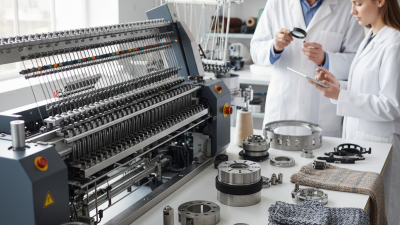
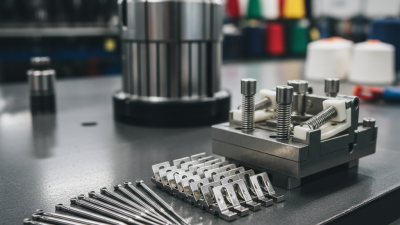
In the world of textile production, the jacquard machine has revolutionized design and manufacturing. Renowned expert in textile technology, Dr. Emily Chen, states, "The jacquard machine transforms creativity into reality through intricate patterns." This powerful tool allows designers to bring their visions to life with precision.
The jacquard machine offers ten significant benefits that can enhance textile operations. Efficiency is one key advantage. It minimizes manual labor, allowing for faster production. Moreover, it can create complex patterns that were previously impossible. This technology enables small businesses to compete with larger manufacturers by offering unique designs.
However, it's important to consider the learning curve. While the jacquard machine provides numerous benefits, mastering its operation requires time and dedication. Some might face challenges during the transition from traditional techniques. Such reflections highlight the balance between embracing innovation and maintaining craftsmanship in textile production.
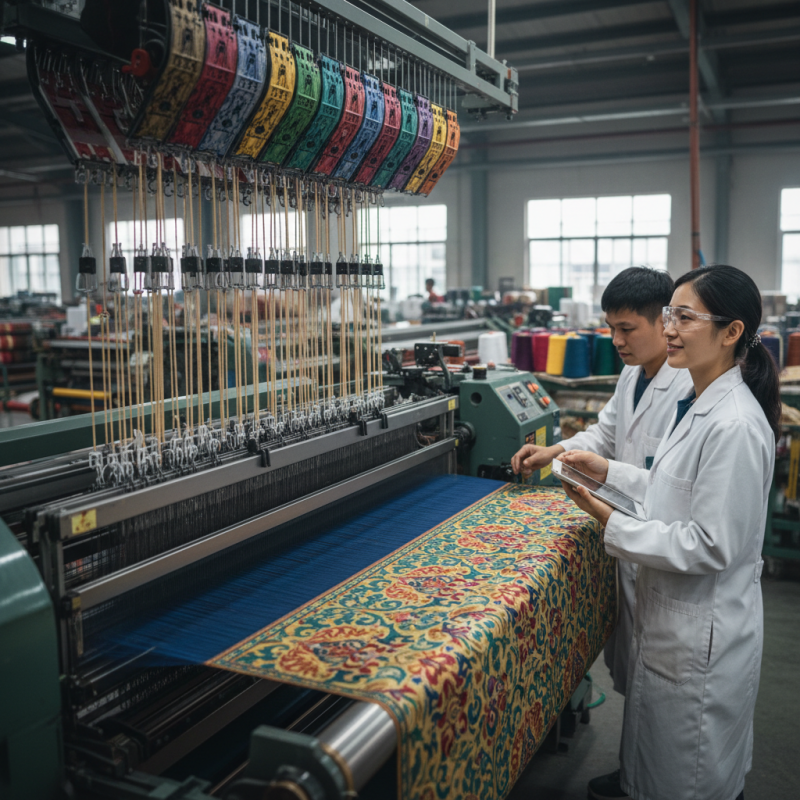
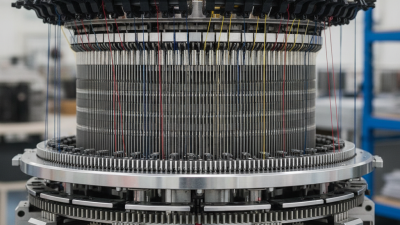
Jacquard machines play a crucial role in textile manufacturing. Their ability to create intricate patterns efficiently revolutionizes the industry. These machines utilize advanced technology to control individual warp threads. According to the International Textile Manufacturers Federation, they improve design complexity, enhancing creativity and versatility in production.
One key feature of Jacquard machines is their capability for automatic production. This saves labor costs and reduces human error. Reports indicate that automating weaving processes can cut production time by up to 30%. This allows manufacturers to meet market demands more swiftly. However, the initial investment is significant. Some smaller firms find it challenging to adopt this technology fully.
Tips: Regular maintenance is essential for optimal performance. Schedule frequent check-ups to prevent breakdowns. Also, consider training employees on machine operation. Knowledgeable staff can enhance productivity and reduce mishaps. Embracing Jacquard machines can lead to substantial gains but reflects the need for careful planning. The journey is complex, and firms must weigh the pros and cons thoughtfully.
| Benefit | Description | Key Features |
|---|---|---|
| Versatility | Can produce a wide variety of patterns, allowing for creative designs. | Programmable patterns, multi-color capability. |
| Efficiency | Increases production speed and reduces manual labor. | Automatic weaving process, high-speed operation. |
| Precision | Ensures high accuracy in pattern creation, minimizing errors. | Digital controls, precise mechanical components. |
| Cost-Effective | Reduces fabric waste and speeds up turnaround times. | Efficient material usage, quick changeovers. |
| Quality | Produces high-quality textiles with intricate designs. | Advanced weaving technology, high-quality yarn handling. |
| Customization | Allows for easy adaptation to specific customer requirements. | Customizable pattern programming, user-friendly interfaces. |
| Durability | Creates durable fabrics that withstand wear and tear. | Robust material construction, high tension capabilities. |
| Reduced Labor Costs | Less need for skilled labor due to automation. | Automated system, minimal operator input required. |
| Scalability | Easily scalable production to meet demand. | Modular design, expandable features. |
| Innovation | Fosters innovation in textile design and production processes. | Incorporation of new technologies, R&D support. |
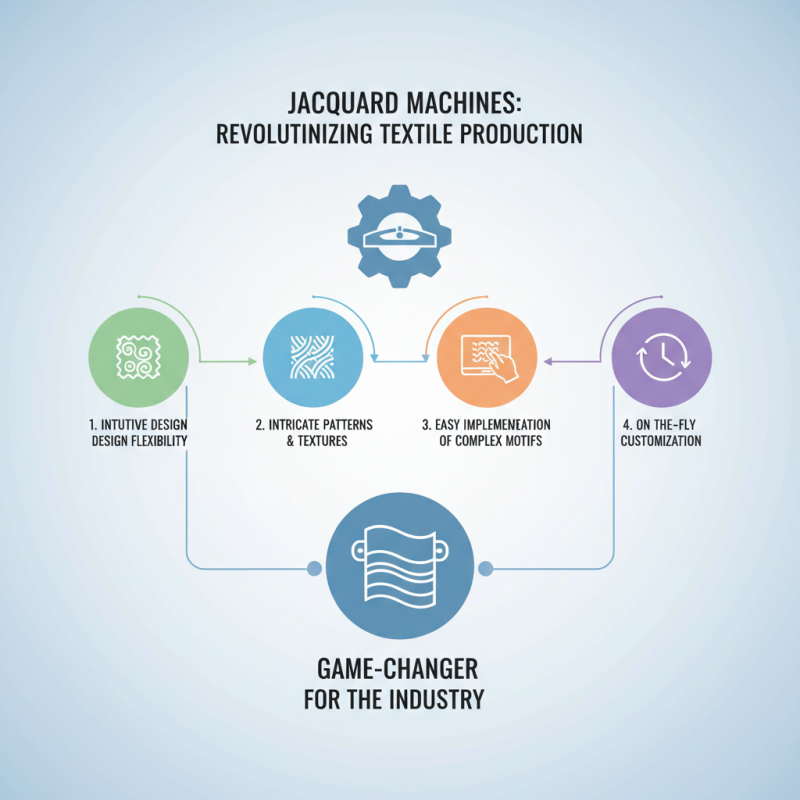
Jacquard machines revolutionize textile production, enhancing design flexibility in remarkable ways. These machines enable intricate patterns and diverse textures. Designers can easily implement complex motifs that were once labor-intensive or impossible. The ability to customize designs on the fly is a game changer for the industry.
The technology allows for quick adjustments and updates to patterns. This responsiveness helps brands stay in sync with trends. However, the reliance on technology can also lead to a lack of originality. Some designs risk becoming repetitive as accessibility increases. This raises questions about authenticity in modern textile art. The balance between innovation and inspiration is delicate.
Rapid production cycles can compromise quality. While efficiency is a benefit, details may suffer in the rush. Striking a balance between speed and craftsmanship is essential. The Jacquard machine presents vast possibilities, but manufacturers must reflect on their creativity. How do they sustain uniqueness in a world driven by technology? This challenge could define the future of textile design.
The use of Jacquard machines in textile production has revolutionized weaving processes. With their advanced technology, these machines enhance production efficiency significantly. Reports indicate that Jacquard technology can increase weaving speed by up to 50%. This allows manufacturers to meet growing market demands quickly.
Moreover, Jacquard machines improve precision in fabric designs. They can produce intricate patterns without manual interventions. According to industry studies, this precision can reduce fabric waste by as much as 20%. However, the initial setup cost for Jacquard machines can be high. Many companies might hesitate to invest, fearing they won't recoup the costs.
While efficiency is a key advantage, there are challenges to consider. Not all traditional weavers can adapt to this technology easily. Some might struggle with the automated processes. Skill gaps in operating advanced machinery can be a hurdle. It's essential for manufacturers to provide adequate training for their workforce. This investment in education can bridge the gap and fully leverage Jacquard machines' benefits.
The use of a Jacquard machine in textile production can significantly enhance cost-effectiveness and resource optimization. These machines automate intricate designs, reducing the need for manual labor. This automation helps save time and, ultimately, money. By using fewer resources for complex patterns, production costs decline. The precision offered by Jacquard machines reduces fabric waste, allowing for better resource utilization.
However, the initial investment can be daunting. Smaller producers may find it challenging to afford such machinery. There’s a need for careful financial planning before deciding to invest. Training workers to operate these machines effectively also incurs additional costs. If not managed properly, the financial benefits can quickly diminish due to unforeseen expenses.
Jacquard machines allow for greater flexibility in design. This flexibility can attract a broader customer base. However, it’s crucial to consider market demand to avoid overproduction. Balancing creativity with practicality is essential. Improvements should continuously be made, focusing on better efficiency and sustainability. This balance is vital for long-term success in textile production.
The Jacquard machine revolutionizes textile production with its ability to create intricate designs. It allows for the weaving of complex patterns, providing unique textures that traditional looms cannot achieve. This technology enhances fabric quality significantly. The precision in design results in a more consistent product. Every piece is crafted with exacting standards, elevating the overall aesthetic and functionality.
One notable benefit is the reduced likelihood of errors. Mistakes in pattern alignment or thread density can lead to wasted materials. But with a Jacquard machine, these issues are minimized. The automation of the weaving process ensures that each fabric piece matches the intended design. This consistency can boost consumer confidence. However, it is essential to remember that even advanced machines require human oversight. Operators must ensure that the settings are correct. Sometimes, adjustments are needed to account for variations in materials.
While Jacquard machines offer incredible benefits, they also pose challenges. Initial setup can be complex and time-consuming. Training staff to operate these machines effectively is an investment in time and resources. Slotting them into existing production lines might require additional modifications. Therefore, careful planning is vital to maximize their advantages in fabric quality and consistency.