The Best Jacquard Knitting Machines for Creative Textile Designs?
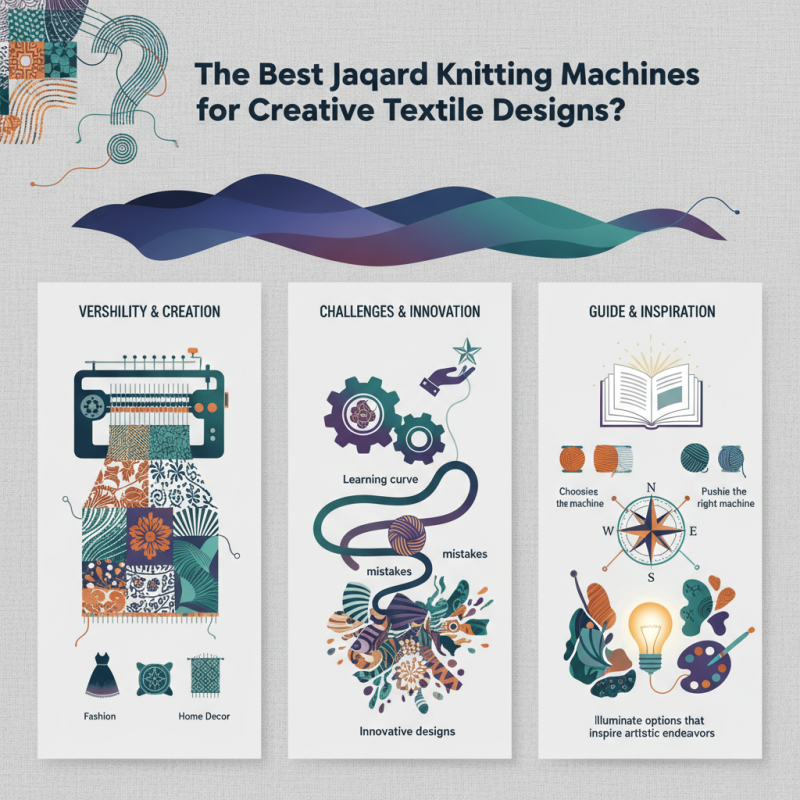
Exploring the vast world of textile design, the jacquard knitting machine stands out for its versatility. This remarkable tool allows creators to craft intricate patterns and textures, adding depth to their projects. From fashion to home decor, the designs produced can evoke unique emotions.
However, using a jacquard knitting machine is not always easy. It often requires a learning curve, especially for beginners. Mistakes can happen, resulting in unexpected patterns or tension issues. Embracing these challenges can lead to innovative designs, pushing artistic boundaries further.
In our quest for the best jacquard knitting machines, we celebrate creativity and personal style. Choosing the right machine can truly enhance your textile journey. This guide aims to illuminate options that inspire your artistic endeavors.
Understanding Jacquard Knitting Machines and Their Functionality
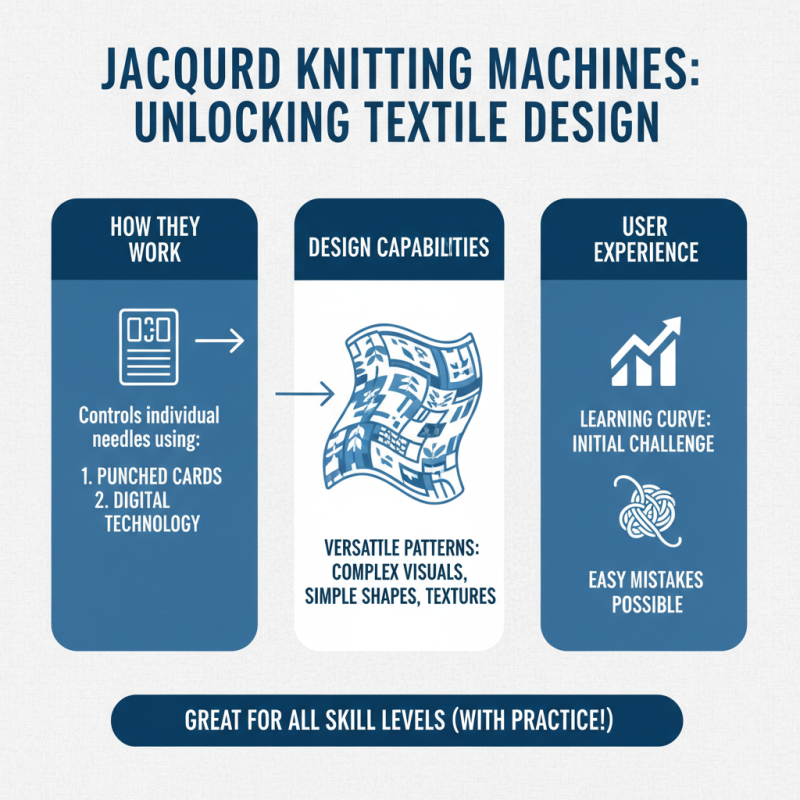
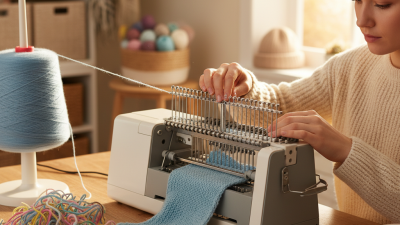
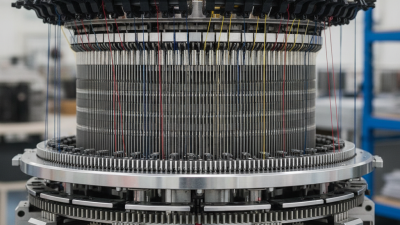
Jacquard knitting machines are remarkable tools for creating intricate textile designs. They use a system of punched cards or digital technology to control individual needles. This allows for a wide range of patterns, from complex visuals to simple shapes. The versatility of these machines caters to both beginners and experienced knitters. However, they can be daunting for new users. The learning curve may feel steep, and mistakes can happen easily.
Understanding how these machines operate is key. The programming process can be meticulous. Users must input designs carefully to avoid errors. Even a small mistake can lead to significant issues in the final product. It’s essential to troubleshoot frequently. This can be frustrating, but it teaches valuable skills. Getting accustomed to the machine takes time and patience. Users often find joy in seeing their designs come to life.
Incorporating different yarn types and colors adds further complexity. The mix may not always yield the expected results, requiring experimentation. Be prepared for surprises. Each project becomes a learning experience. Embracing both successes and failures fosters growth in creative knitting.
Key Features to Look for in Jacquard Knitting Machines
When choosing a jacquard knitting machine, several key features are vital for achieving intricate designs. Pay attention to the machine's needle count. Higher needle counts allow for more detailed patterns. Most industry professionals recommend at least 100 needles for finer designs. Additionally, consider the yarn compatibility. A versatile machine supports multiple yarn types like wool and cotton, enhancing creative possibilities.
Look for intuitive software integrated into the machine. This software can significantly simplify design creation. Reports show that machines with user-friendly interfaces increase productivity by up to 30%. It's essential to have a device that allows for easy customization of patterns. Flexibility in design choices can lead to more unique textile outcomes.
Tips: Regular software updates can improve your machine’s performance. Make sure to check for new features frequently. Some users struggle with threading issues. Practice makes perfect. Allocate time to get familiar with your machine's mechanics. Understanding these details can enhance your overall experience.
Creative Applications of Jacquard Knitting in Textile Design
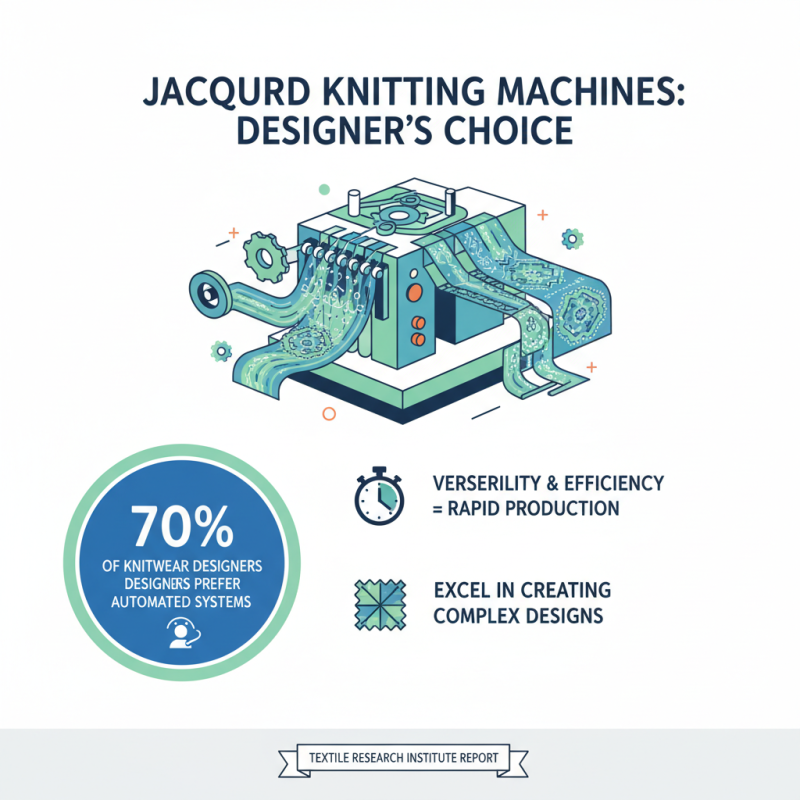
Jacquard knitting machines have revolutionized the textile industry. They enable intricate patterns and make creating unique designs easier than ever. According to the Textile World report, the global market for knitted fabrics is expected to grow by 3.5% annually, driven by innovation in knitting technology. Designers increasingly use Jacquard knitting for its versatility in producing complex motifs and textures. This technology allows artists to turn their inspirations into tangible fabrics.
Tips: Experiment with color combinations. The right hues can elevate your designs significantly. Sometimes, more is less, especially in patterns. Simplicity often leads to a more sophisticated look.
Despite the advancements, some challenges remain. Mastering the Jacquard technique requires practice. Mistakes can happen, resulting in mismatched patterns or tension issues. These error points offer valuable lessons on improving technique. Designers learn to embrace imperfection as part of their creative journey. With patience and persistence, powerful designs emerge from these trials. Ultimately, Jacquard knitting offers endless possibilities for creative expression in textile design, but it takes time to perfect.
Maintenance Tips for Keeping Your Jacquard Knitting Machine in Top Shape
Maintaining a jacquard knitting machine is essential for quality textile designs. Regular cleaning is a must. Dust and debris can accumulate in the machine, affecting its performance. Use a soft brush to remove lint. It's a simple task but often overlooked, and neglecting it can lead to issues.
Check the machine’s tension regularly. Inconsistent tension can ruin your patterns. Adjusting it might require some trial and error. Don't be discouraged if it doesn’t initially work as planned. It's a learning process, and even seasoned knitters face these challenges.
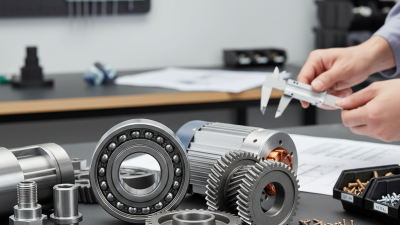
Lubricating the moving parts helps keep everything running smoothly. Use the recommended oil, but not too much. Over-oiling can create a mess. Lastly, keep an eye on needle wear and replace them when necessary. Worn needles can snag yarn and cause headaches during your projects. Regular maintenance might feel tedious, but it significantly enhances your creative output.