Why Choose a Knitting Jacquard Machine for Your Projects?
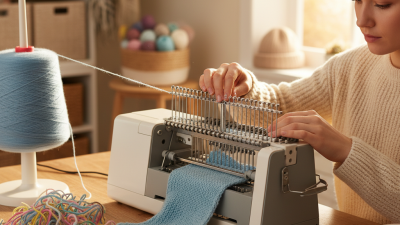
In the world of textile production, the knitting jacquard machine stands out as a powerful tool. Its sophisticated design allows for intricate and colorful patterns, elevating any knitting project to new heights. With the ability to create complex designs easily, this machine offers flexibility that traditional methods cannot match.
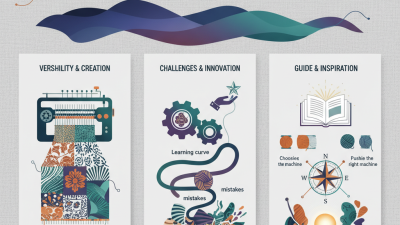
For both hobbyists and professionals, the knitting jacquard machine is a game changer. Imagine crafting stunning sweaters or blankets with unique motifs in less time than ever before. However, not all machines are user-friendly. Some require a learning curve that might frustrate beginners. Choosing the right machine can make a significant difference in your creative process.
Consider the creative possibilities it brings. The knitting jacquard machine opens doors to personal expression. Yet, it can also be overwhelming with so many options available. Finding the perfect balance of functionality and creativity is essential. Embracing this technology can lead to innovative designs, but it also demands time and patience to master.
Benefits of Using Knitting Jacquard Machines in Textile Production
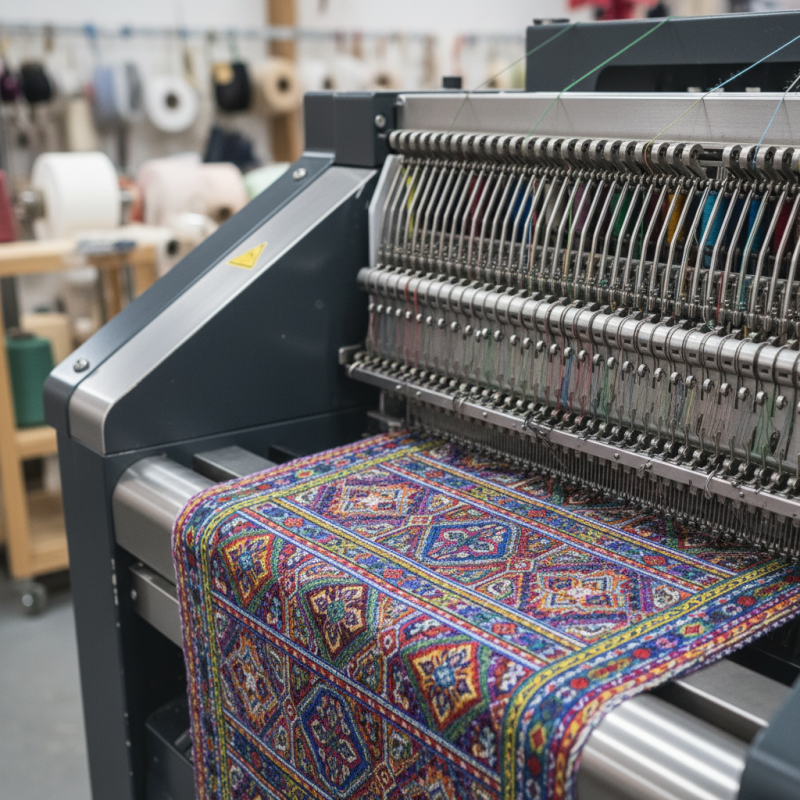
Knitting jacquard machines have transformed textile production. They enable the creation of intricate patterns with ease. This versatility allows designers to explore unique styles. Complex designs that once required hours of manual labor can now be produced quickly. However, achieving perfection is not always guaranteed.
One significant benefit is efficiency. Jacquard machines can produce a wide variety of textures and colors. This capability satisfies different market demands. Yet, they require careful monitoring to avoid mistakes in pattern alignment. Even minor errors can lead to waste, which is a concern for many manufacturers.
Customization is another advantage. Brands can create limited edition textiles tailored for niche markets. This personal touch can enhance customer loyalty. However, the learning curve may present challenges. Designers need time to master the machine’s programming. Patience is essential when navigating this technology, as the potential for creative expression is immense.
Overview of Jacquard Machine Technology and Its Evolution in Industry
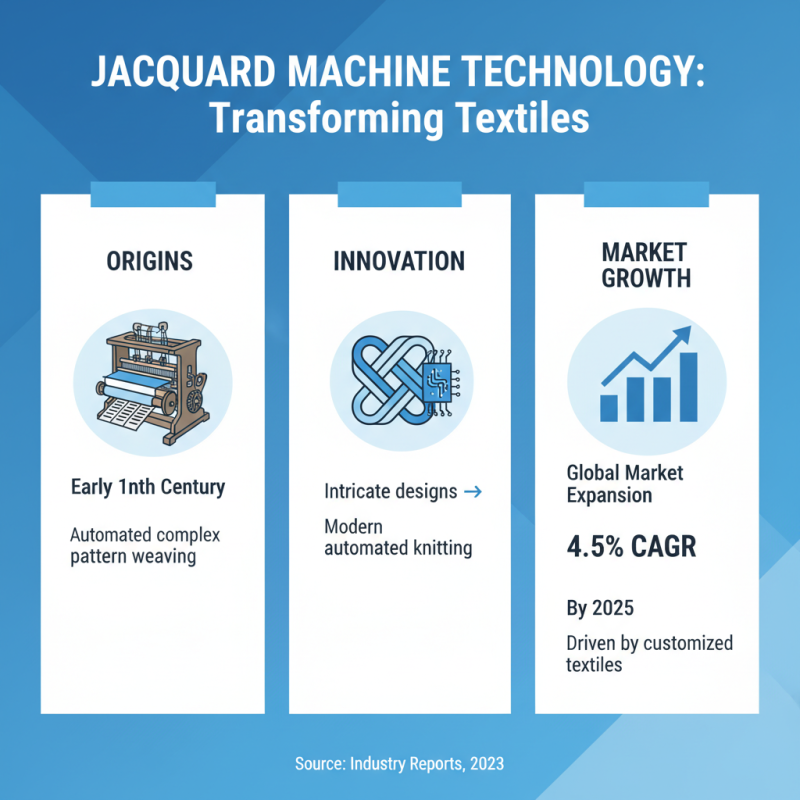
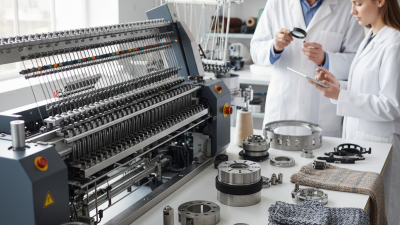
Jacquard machine technology has transformed the textile industry significantly. Initially invented in the early 19th century, this technology allowed for complex patterns to be woven into fabric automatically. The ability to create intricate designs laid the groundwork for modern automated knitting processes. Today, the global market for Jacquard machines is projected to grow substantially, with an increasing demand for customized textiles. According to industry reports, the market is expected to expand at a CAGR of 4.5% by 2025.
One major advantage of Jacquard machines is their efficiency in production. A study shows that these machines can produce designs with fewer errors and less manual intervention. This results in higher quality textiles and reduced waste. Despite this, the initial investment can be substantial, and not all manufacturers are ready to embrace this technology. Some businesses struggle to adapt to the learning curve associated with operating Jacquard machines effectively.
Moreover, the complexity of the designs can lead to unexpected challenges. Sometimes, intricate patterns may not be realized as envisioned. Feedback loops from designers can become convoluted, and communication issues may arise. As technologies evolve, the need for training becomes essential for operators and designers alike. Adapting to these evolving needs is crucial for continued success in the industry.
Key Features and Capabilities of Modern Knitting Jacquard Machines
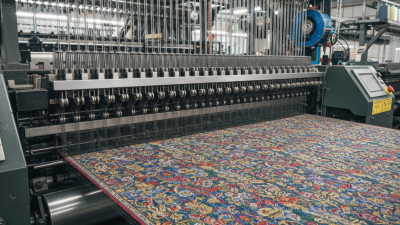
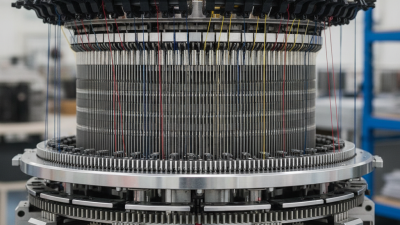
Knitting Jacquard machines have transformed textile creation. Their primary feature is the ability to produce intricate patterns. These machines allow for complex designs that were once painstakingly hand-crafted. This has redefined the limits of creativity in knitting. You can easily create detailed motifs and textures.
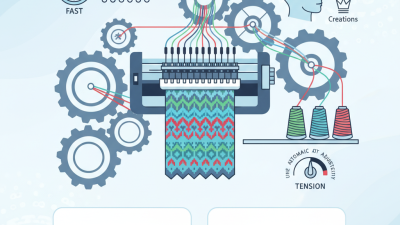
One of the standout capabilities is digital control. This technology offers precise adjustments. It enables easy switching between designs. However, it requires some technical know-how. Beginners might feel overwhelmed at first. Don't hesitate to experiment and make mistakes.
Tips for success: Start with simpler patterns. Gradually work your way up. Familiarize yourself with the machine's settings. This will build your confidence. Another tip: keep your workspace organized. A tidy area can enhance creativity and reduce errors.
Leveraging these machines opens new doors in crafting. They inspire innovation but may also challenge traditional methods. Embrace the learning curve.
Market Trends: The Demand for Complex Patterns in Fashion and Home Textiles
The textile industry is experiencing a significant shift. Designers crave complex patterns, especially in fashion and home textiles. This rise in demand encourages creativity and innovation. Consumers desire unique pieces that tell a story. Knitting Jacquard machines meet this challenge head-on.
These machines create intricate designs effortlessly. They allow for personalization in every stitch. The result? Stunning textiles that stand out. However, not every project requires elaborate patterns. Sometimes, simpler designs capture beauty just as effectively.
**Tip:** Start with small projects. Experiment with different stitch patterns. This will build confidence in using Jacquard machines.
As trends evolve, so do consumer preferences. Sustainability plays a key role today. People want environmentally friendly options that still deliver on aesthetics. Knitting Jacquard technology can create sustainable choices from recycled materials. However, these materials may not always achieve the desired finish.
**Tip:** Research material sources thoroughly. Understand their properties before starting a project. Balancing quality and sustainability is crucial. Trying new materials might lead to unexpected results, but refining techniques is part of the journey.
Market Trends: The Demand for Complex Patterns in Fashion and Home Textiles
| Application |
Industry |
Complexity Level |
Market Demand (%) |
| Fashion Apparel |
Fashion |
High |
70% |
| Home Decor |
Textiles |
Medium |
50% |
| Accessories |
Fashion |
Low |
30% |
| Technical Textiles |
Industry |
High |
65% |
| Knitwear |
Fashion |
Very High |
80% |
Cost Efficiency and Production Speed: Analyzing ROI for Jacquard Projects
When considering a jacquard machine, cost efficiency is often a key factor. Investing in this technology can lead to significant savings. Traditional methods may require more labor and time. A jacquard machine can produce complex patterns quickly. This efficiency translates to higher output in less time.
Production speed is crucial in today’s market. If a machine can produce more items in a shorter timeframe, it can increase the overall return on investment. However, it’s essential to analyze the initial cost of the machine. Maintenance costs can add up over time. These factors must be considered before making a decision.
Some projects may not require intricate designs. For these, a simpler machine might suffice. Overspending on technology for basic projects can hurt profitability. It's wise to evaluate specific needs before jumping in. A jacquard machine is excellent for detailed works, but it may not always be the most practical choice for every project. Understanding the balance between sophistication and necessity is vital for sustainable growth.