Why Choose a Circular Rib Knitting Machine for Your Business?
In today's competitive textile industry, choosing the right equipment is crucial. A circular rib knitting machine stands out for several reasons. This innovative machine offers versatility and efficiency, making it a preferred choice for many businesses.
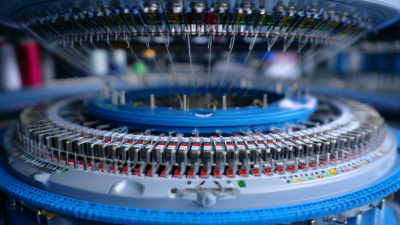
With its unique design, the circular rib knitting machine can produce various patterns and fabrics. This adaptability allows manufacturers to cater to diverse market demands. Companies looking to enhance their productivity should consider this machinery. Additionally, the circular design minimizes waste, aligning with sustainable practices.
However, it's important to evaluate specific needs before investing. Not every business may need a circular rib knitting machine. Understanding production goals and fabric requirements is essential. By carefully considering these factors, businesses can make informed decisions that boost efficiency and sustainability.
Benefits of Circular Rib Knitting Machines for Modern Businesses
Circular rib knitting machines are gaining traction in the textile industry, and for good reason. These machines can produce fabrics with unique elasticity and texture, perfect for modern clothing demands. According to a report by Textile World, the global market for rib knit fabrics is expected to grow by 6.3% annually. This growth highlights a significant opportunity for businesses to invest in technology that meets consumer preferences.
The benefits of circular rib knitting machines extend beyond just production speed. They enhance material usage, minimizing waste. This efficient fabric production aligns with sustainable practices, which are becoming crucial for brand reputation. Additionally, the ability to create elaborate designs can meet the growing demand for customization. However, not all businesses may be prepared for this transition. The initial investment in these machines can be high, and maintenance requires skilled technicians. Many smaller businesses struggle to keep up with these demands.
Moreover, there's a learning curve associated with operating circular rib knitting machines. Staff training is necessary for optimal results. Oversights in setup can lead to quality issues and wasted materials. As beneficial as these machines are, businesses must ensure they are ready to handle these complexities. The long-term benefits may be significant, but they come with challenges that cannot be overlooked.
Why Choose a Circular Rib Knitting Machine for Your Business?
| Feature |
Benefit |
| High Speed Production |
Increased output leading to higher efficiency and profitability. |
| Versatile Knitting Patterns |
Ability to create diverse patterns catering to various market demands. |
| Reduced Material Waste |
Minimizes costs and positively impacts the environment. |
| User-Friendly Interfaces |
Simplifies operation leading to improved productivity. |
| Durability and Reliability |
Long lifespan reducing maintenance costs over time. |
| Automatic Tension Control |
Ensures consistent quality in production runs. |
Key Features of Circular Rib Knitting Machines Explained
Circular rib knitting machines have become increasingly popular among textile manufacturers. Their ability to create stretchy, comfortable fabrics is unmatched. This makes them ideal for producing garments like sweaters, tights, and athletic wear. Understanding the key features of these machines can aid business decisions.
One major feature is the versatility in fabric production. These machines can easily switch between various rib patterns, providing creative freedom. This flexibility is essential in the fast-paced fashion industry. Additionally, they offer high-speed knitting, which boosts productivity. This efficiency allows businesses to meet high demand quickly. However, managing speed with quality can be challenging. It’s important to regularly monitor the machine's settings.
**Tip:** Regular maintenance can prolong the machine's lifespan. Blocking the gears and cleaning the needles regularly can prevent breakdowns.
Another highlight is the user-friendly interface. Most machines come equipped with digital controls. This simplifies adjustments during the knitting process. Nonetheless, some operators may find it difficult to navigate all features. Proper training is crucial for optimal use.
**Tip:** Invest in training for staff to maximize the machine's capabilities. Knowledgeable operators can significantly reduce errors and waste.
How Circular Rib Knitting Machines Improve Production Efficiency
Circular rib knitting machines are transforming production efficiency in the textile industry. They offer a unique capability to produce ribbed fabric with minimal waste. Research indicates that these machines can enhance productivity by as much as 30% compared to traditional knitting methods. This efficiency gain stems from the machines' ability to handle multiple yarns simultaneously, allowing for diverse patterns and textures in a single run.
Additionally, circular rib knitting machines require less manual intervention during operation. Automation reduces human error and labor costs. Advanced technology in these machines enables real-time monitoring, providing data-driven insights into production processes. A report from the Textile Machinery Association noted that manufacturers experienced a 25% reduction in downtime when switching to automated circular systems.
However, it is essential to note that these machines may require a higher initial investment. The cost could be a limiting factor for smaller businesses.
Even with their advantages, challenges remain. Maintenance of high-speed circular machines can be complex. Operators must be well-trained to handle intricate issues that can arise. This highlights the need for ongoing education and investment in skilled labor. Moreover, the rapid pace of technological change in this field means businesses must stay adaptable. Balancing cost, efficiency, and workforce capability is vital for leveraging the full potential of circular rib knitting technology.
Customization Options in Circular Rib Knitting Machines
Circular rib knitting machines offer remarkable customization options. Businesses in the textile industry find these machines incredibly versatile. They enable the production of a wide range of fabrics. From various stitch patterns to different materials, the possibilities are vast. It allows manufacturers to cater to specific market needs. This adaptability can enhance competitiveness.
Customization goes beyond stitch patterns. Manufacturers can adjust machine settings for unique fabric qualities. This includes varying thicknesses or textures. It empowers businesses to create bespoke products. However, mastering these options requires experience and technical expertise. Not all companies can achieve optimal results.
Understanding the capabilities of circular rib knitting machines is crucial. Misuse of settings may lead to inconsistencies in fabric quality. Some businesses overlook this aspect, focusing only on aesthetics. Continuous reflection on production processes is essential for improvement. Tailoring machine settings is not simply about creativity; it demands precise knowledge and practice. Customization can elevate a brand but requires a thoughtful approach.
Benefits of Circular Rib Knitting Machines
Comparative Analysis: Circular Rib vs. Flat Knitting Machines
When comparing circular rib knitting machines to flat knitting machines, several key factors come into play. Circular machines excel in speed and efficiency. They produce a continuous tube of fabric, minimizing wastage. This is crucial for businesses aiming to optimize resources. In contrast, flat knitting machines are versatile for creating intricate patterns. However, they often require more setup time and produce more waste. Understanding these distinctions is key in choosing the right machine for your production needs.
Tips: Consider your production volume. Circular machines may be ideal for larger outputs, while flat machines suit smaller, custom runs. Think about your market. If you need quick turnaround times, circular machines often stand out.
In terms of material use, circular knitting can utilize fibers more effectively. However, if your designs require flat knitting's detailed textures, the waste can become an issue. Balancing these aspects is essential for sustainable practices. Reflect on your production goals and the types of garments you wish to create. Each machine has strengths and weaknesses; knowing when to leverage each can shape your business’s success.