Why Choose Geotextile Fabric for Your Project Needs?
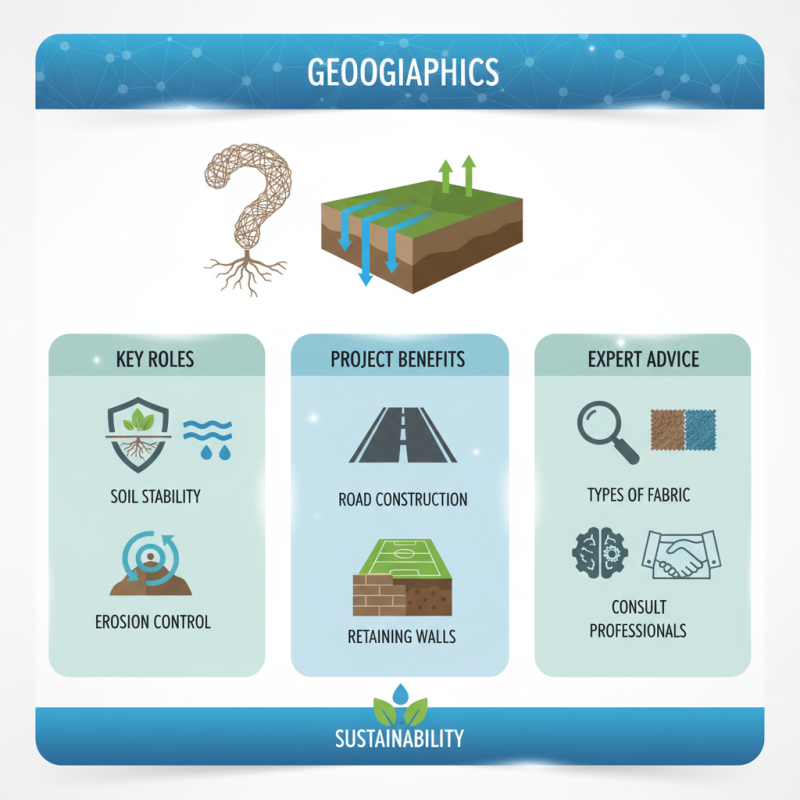
Geotextile Fabric plays a crucial role in modern construction and landscaping. This versatile material is designed to improve soil stability, drainage, and erosion control. Many professionals favor Geotextile Fabric for a wide range of projects due to its durability and effectiveness. Whether you're building roads, retaining walls, or sports fields, this fabric can significantly enhance your project's success.
The benefits of Geotextile Fabric are numerous. It not only helps maintain the integrity of soil but also reduces the need for extensive drainage systems. Many experts recommend using it in areas prone to erosion. However, the choice of Geotextile Fabric should align with specific project needs and environmental considerations. It’s essential to consult with knowledgeable professionals to select the right type.
Choosing Geotextile Fabric might seem straightforward, but it's worth examining closely. Different projects demand different types of fabric. For instance, a fabric designed for drainage may not provide the same support for erosion control. Reflecting on project requirements ensures the best outcomes. Proper selection and application of Geotextile Fabric can lead to a well-maintained and sustainable environment.
Understanding Geotextile Fabric: Definition and Types
Geotextile fabric plays a crucial role in various construction and landscaping projects. Its primary function is to separate, filter, reinforce, and protect soil. Understanding the different types of geotextile fabric is essential for project success. There are two main categories: woven and non-woven fabrics. Woven geotextiles are created by weaving strands together. They provide excellent strength and stability. Non-woven geotextiles, on the other hand, are made from bonded fiber. They excel in drainage and filtration applications.
Industry data highlights the growing use of geotextiles. According to a report by Grand View Research, the global geotextile market size was valued at $6.48 billion in 2020. It is projected to grow at a compound annual growth rate of 12.5% from 2021 to 2028. This growth reflects the increasing demand for infrastructure projects, specifically in road construction and environmental protection.
Selecting the right type of geotextile can be challenging. Each project has unique needs. For instance, a road project may require high tensile strength. Conversely, a drainage project may benefit more from a non-woven option. Evaluating the specific conditions of your project site is vital. Understanding soil characteristics and water flow is crucial. The wrong choice could lead to failure, increased costs, and environmental impacts.
Key Benefits of Using Geotextile Fabric in Construction Projects
Geotextile fabric is essential in many construction projects. It provides significant advantages that enhance project outcomes. One major benefit is soil stabilization. When used in road construction, it prevents soil erosion. This allows for a solid foundation that lasts longer than traditional methods.
Another key advantage is drainage improvement. Geotextiles allow water to flow while retaining soil particles. This is crucial in landscaping and foundation work. Proper drainage prevents flooding and lengthy delays. However, incorrect installation or selection can lead to failures. It's important to assess site conditions carefully.
Additionally, geotextiles offer environmental benefits. They can reduce the need for heavy machinery, which minimizes site disruption. This creates a more sustainable construction process. Despite these benefits, they require expertise for effective use. Proper training ensures that the right type is applied in the right context.
Applications of Geotextile Fabric in Civil Engineering
Geotextile fabric plays a crucial role in civil engineering. It provides strength and stability to various projects. Engineers often use it in road construction, drainage systems, and erosion control. This fabric acts as a barrier, separating soil layers while allowing water to flow. It is durable and can withstand harsh environmental conditions.
In landfill applications, geotextile fabric helps control erosion and sediment. It enhances the landfill's structure and improves drainage. When used in slopes and embankments, it prevents soil erosion effectively. The fabric also provides additional support, promoting longevity in construction projects.
Tips for using geotextile fabric effectively:
- Always conduct a site assessment.
- Choose the right type of fabric based on soil characteristics.
- Ensure proper installation to maintain functionality.
Using geotextile fabric can lead to long-term benefits. However,
careful planning is essential. Improper use may lead to unexpected challenges. Be mindful to evaluate your project's specific needs. Innovating within these parameters can lead to
successful outcomes.
Factors to Consider When Selecting Geotextile Fabric
When selecting geotextile fabric for your project, consider several important factors. First, identify the specific applications you require. Geotextiles serve various purposes such as soil stabilization, erosion control, and drainage. According to the Geosynthetic Materials Association, proper selection can enhance project longevity by up to 30%.
Next, examine the properties of the fabric. Look for factors such as permeability, tensile strength, and durability. For example, woven geotextiles excel in tensile strength while non-woven options often provide better drainage. Commonly used materials include polypropylene and polyester. Their specific characteristics can significantly influence project outcomes.
Tips: Always assess the environmental conditions of your site. Soil type, moisture levels, and the presence of chemicals can all affect fabric performance. Testing the fabric in real-world conditions helps identify flaws. Make connections with suppliers who offer material samples and technical support—this collaboration can guide better choices. Remember, informed decisions lead to successful projects, but even the best choices might have unanticipated issues. Be prepared to adapt and learn during the process.
Installation Techniques and Best Practices for Geotextile Fabric
When it comes to installing geotextile fabric, proper techniques are crucial for achieving desired results. Start by preparing the substrate. Clear the area of debris, sharp objects, and vegetation. This step ensures the fabric can perform optimally. A clean surface promotes better filtration and drainage.
Next, roll out the geotextile fabric. Overlap edges by at least 12 inches to prevent soil migration through seams. Ensure the fabric is taut but not overly stretched. A well-laid fabric remains in place, reducing the risk of wrinkles or folds. These imperfections can hinder performance.
Securing the fabric is equally important. Use stakes or pins designed for geotextiles. Place them around the perimeter to keep the fabric anchored. This detail minimizes disturbance from wind or soil movement. It may be easy to overlook, but proper anchoring significantly enhances durability. As you work, double-check for any areas needing reinforcement. These measures can help avoid costly repairs down the line.
Comparison of Geotextile Fabric Types for Project Applications

