Why Choose a Synthetic Textile Machine for Your Business?
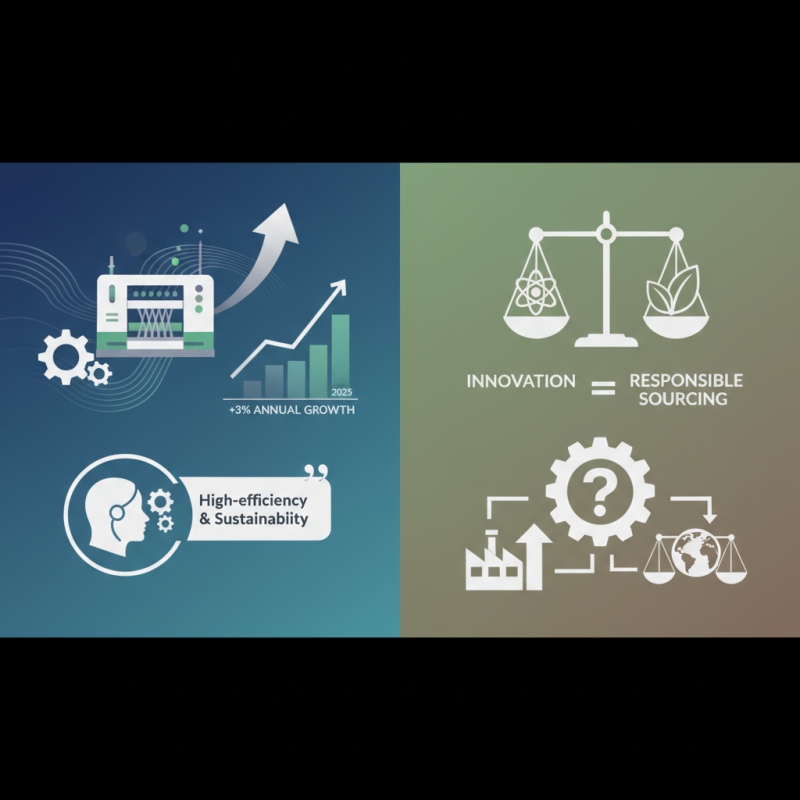
The textile industry is transforming rapidly, with synthetic fibers leading the way. According to a recent report by TechNavio, the global synthetic textiles market is projected to grow by over 3% annually until 2025. This surge emphasizes the importance of investing in advanced machinery, particularly the Synthetic Textile Machine.
Dr. Emily Tran, an expert in textile engineering, highlights the urgency of this shift. She states, "Adopting high-efficiency Synthetic Textile Machines is crucial for staying competitive." These machines offer enhanced productivity and sustainability, meeting the growing demand for eco-friendly fabrics.
Nonetheless, businesses must also reflect on their choices. While synthetic materials are gaining popularity, reliance solely on them may invite scrutiny. Companies should seek a balance between innovation and responsible sourcing. As the market evolves, your decision to integrate a Synthetic Textile Machine could be a defining moment in your business strategy.
Benefits of Synthetic Textile Machines for Business Efficiency
Choosing synthetic textile machines can significantly enhance business efficiency. These machines are designed for speed and precision. They automate many tasks that once required manual labor. This saves time and reduces human error. As a result, production rates can surge, meeting market demands more effectively.
Moreover, synthetic textile machines offer versatility. They can handle various fabrics and designs. This flexibility allows businesses to adapt quickly to changing trends. However, some businesses may struggle with the initial learning curve. Staff may need training to fully utilize these machines. It’s essential to invest in proper education to maximize benefits.
In addition, maintenance is crucial. Regular checks are necessary to prevent downtime. Neglecting machine upkeep can disrupt workflow and impact output. Businesses must develop a routine maintenance schedule. This ensures that operations run smoothly. When machines function well, companies can expect increased productivity and reduced costs.
Cost-Effectiveness of Synthetic Textile Production
Synthetic textiles have become vital in the modern textile industry. Their production is increasingly recognized for its cost-effectiveness. According to a recent industry report, synthetic fibers account for over 60% of global fiber production. This trend highlights their affordability and efficiency in manufacturing.
Investing in synthetic textile machines can significantly reduce operational costs. For instance, automated systems streamline production, lowering labor expenses. Reports suggest that businesses can save up to 30% on labor by adopting these technologies. Additionally, synthetic materials often require less energy to produce compared to natural fibers. This leads to lower utility bills and a smaller environmental footprint.
Tip: Regularly maintain your machines to prevent downtime. This approach can save further costs and increase productivity.
It's crucial to reflect on the long-term impact of synthetic textiles. While they are cost-effective, some market reports show concerns over sustainability. As more consumers demand eco-friendly options, businesses face pressure to adapt. Incorporating recycled materials into production processes could be a solution.
Tip: Engage with suppliers that prioritize sustainable practices. This can enhance your brand’s reputation in today’s eco-conscious market.
Sustainability and Environmental Impact of Synthetic Textiles
Synthetic textiles have gained popularity due to their versatility and durability. However, the sustainability of these materials is crucial. The production processes often involve high energy consumption and toxic chemicals. Acknowledging these issues is essential for businesses aiming to reduce their environmental footprint.
Tips: Evaluate your sourcing practices. Opt for suppliers who prioritize eco-friendly materials. Look for certifications that verify sustainable production methods.
Moreover, synthetic textiles can be recycled or repurposed. This reduces waste in landfills. Businesses can implement programs to collect old textiles for recycling. It is an effective way to contribute to a
circular economy.
Tips: Educate your customers about recycling options. Create awareness around the importance of textile waste management. Encourage them to participate in textile recycling events.
Reflection on the impact of synthetic textiles is necessary. While they serve practical functions, it’s vital to consider long-term consequences. Strive for innovation that balances functionality and sustainability.
Technological Advancements in Synthetic Textile Machinery
The world of synthetic textiles is evolving rapidly. Technological advancements in synthetic textile machinery are making a substantial difference. Modern machines are simpler to operate and more efficient. They help streamline production processes, reducing waste and saving time. Automated features allow for precise adjustments, which can enhance product quality significantly.
However, not all advancements are flawless. Some manufacturers face challenges in adapting to new technology. Training staff can be a slow process. Additionally, not all machines prove to be cost-effective in the long run. It’s essential to weigh these factors before investing. Balancing innovation with practicality remains a key consideration.
High-tech features can sometimes overpromise. For example, machinery boasting rapid production speeds may not always deliver consistent quality. It’s crucial to conduct thorough research. Exploring how technology aligns with specific business needs is vital. This is where reflection and careful planning come into play.
Why Choose a Synthetic Textile Machine for Your Business? - Technological Advancements in Synthetic Textile Machinery
| Feature | Description | Benefits | Impact on Business |
| Automation | Machines that require minimal human intervention. | Increased efficiency and reduced labor costs. | Higher production capacity and profitability. |
| Energy Efficiency | Machines designed to consume less energy. | Lower operational costs. | Improved sustainability and reduced carbon footprint. |
| Advanced Control Systems | Integration of IoT and smart technology. | Better quality control and monitoring. | Enhanced product consistency and customer satisfaction. |
| Versatility | Capability to produce various types of synthetic textiles. | Flexibility to adapt to market demands. | Increased competitiveness and market reach. |
| Low Maintenance | Machines built for durability and reduced wear. | Minimized downtime and maintenance costs. | Maximized operational efficiency and output. |
Customization and Versatility of Synthetic Textile Manufacturing Processes
When considering synthetic textile manufacturing, customization is key. Machines designed for this purpose can adapt to different fabric types and production needs. For instance, they can create unique patterns and textures on synthetic fibers. This flexibility allows businesses to target niche markets and meet specific customer demands. A wide range of settings can be adjusted, giving companies the edge they need.
Versatility is another major advantage of synthetic textile machines. They can process various materials, such as polyester and nylon, in one production line. This can significantly cut costs and time in manufacturing. However, navigating the complexities of these machines can be challenging. Operators must be well-trained to use the technology effectively. Errors can lead to wasted materials and lost time.
Investing in synthetic textile machines may impose higher initial costs. This might create stress for small businesses. However, with the potential for diverse applications and tailored products, the long-term benefits can outweigh these challenges. Companies must carefully evaluate their needs and capabilities before making a decision. Balancing innovation with practicality remains a critical consideration in this fast-evolving industry.

