How to Choose 430 Stainless Steel Strip in 2026?
Choosing 430 Stainless Steel Strip in 2026 requires more than comparing prices or browsing attractive product photos. The correct grade, thickness, temper, surface finish, and dimensional tolerance must match the final application. In real fabrication, a strip measuring 0.5 millimeters can behave very differently from a wider, thicker coil during stamping or slitting. Small variations may affect feeding, bending, edge quality, and production waste.
430 Stainless Steel Strip remains popular because it offers useful corrosion resistance, magnetic response, and practical cost control. It suits appliance panels, kitchen equipment, automotive trim, decorative parts, and selected industrial components. However, it is not a universal replacement for 304 stainless steel. Chloride exposure, outdoor moisture, heat, and forming demands should be evaluated carefully. A bright surface can look impressive. It does not guarantee long-term performance.
Reliable purchasing decisions should involve mill certificates, chemical composition data, tensile results, hardness values, surface descriptions, and inspection records. Check whether the supplier follows recognized standards, such as ASTM or EN requirements, and confirm packaging conditions before shipment. Experienced buyers also request trial samples for stamping, polishing, welding limitations, or bending tests. This step often reveals problems hidden by paperwork.
No selection guide is flawless. Supplier terminology can vary, and even familiar specifications may be misunderstood. A reflective finish may hide tiny scratches. A lower quotation may exclude slitting, protective film, or tighter tolerances. Therefore, this 2026 guide examines performance, processing behavior, supplier reliability, and total cost, helping buyers choose 430 Stainless Steel Strip with clearer evidence and fewer avoidable surprises.
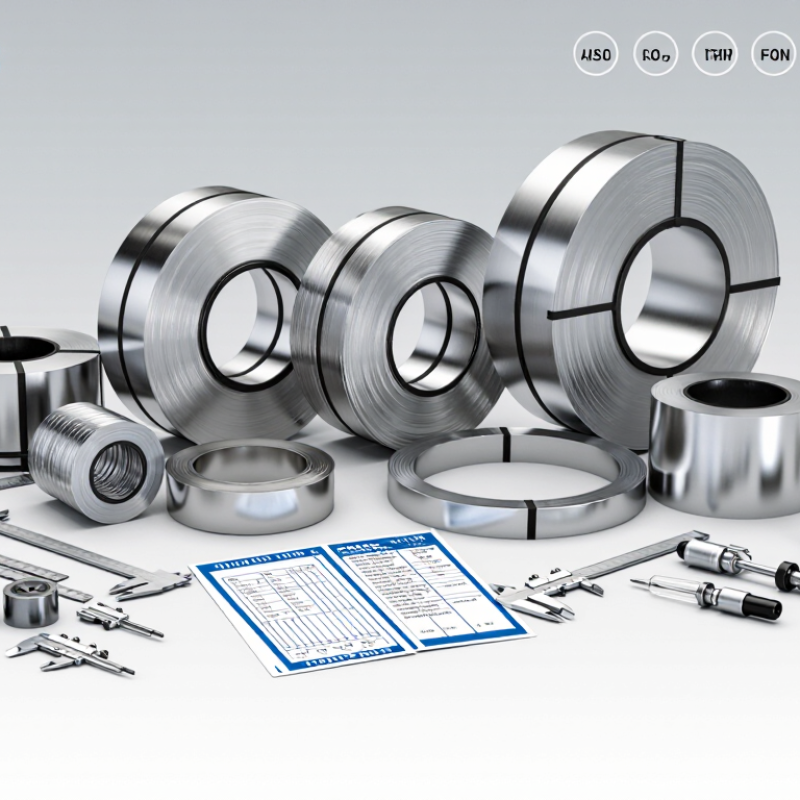
What 430 Stainless Steel Strip Is and Where It Is Used
430 stainless steel strip is a flat, thin form of ferritic stainless steel. It commonly contains about 16–18% chromium and very little carbon. This composition provides useful oxidation resistance, magnetic behavior, and stable performance at moderate temperatures. It also avoids the higher nickel content found in some austenitic grades. However, 430 strip is not an ideal choice for strong chloride exposure or constantly wet environments.
In practical manufacturing, 430 strip is used for appliance panels, oven interiors, refrigerator components, automotive decorative trim, heat shields, kitchen backsplashes, HVAC parts, and electrical enclosures. Its clean surface suits visible components. Its magnetic response can also support sensor or fastening designs. The material remains cost-sensitive.
When selecting 430 strip in 2026, check thickness tolerance, width accuracy, edge condition, surface finish, and temper. Annealed strip is easier to stamp and bend. Hard-temper strip may suit clips or spring-like parts. Request traceable test certificates and confirm the applicable ASTM or EN requirements. Do not judge quality by shine alone. Fingerprints, forming marks, or slight waviness may appear after processing. A small bending and stamping trial can reveal problems early. Many buyers overlook weldability and coastal humidity. That choice deserves another look.
Which Material Properties Matter for 430 Stainless Steel Strip
How to Choose 430 Stainless Steel Strip in 2026?
For 430 stainless steel strip, magnetic response is only the starting point. Its ferritic structure usually provides good formability, moderate strength, and useful resistance to oxidation. Chromium content, commonly near 16–18%, supports corrosion resistance in indoor and mildly aggressive environments. It is not a substitute for testing. The 2024 World Stainless Association report recorded global stainless steel production at about 62.6 million tonnes, showing a large and competitive supply base. However, production volume does not guarantee consistent strip quality.
Surface condition matters near the cutting edge. Check roughness, pinholes, roll marks, and discoloration under practical lighting. For appliance panels, decorative trim, and heat shields, a uniform finish may matter more than a small strength advantage. Review yield strength, tensile strength, elongation, thickness tolerance, and edge quality against the applicable ASTM A240 requirements. Annealed strip is easier to form, while cold-reduced strip can offer higher strength but reduced elongation. That trade-off is easy to underestimate.
Temperature exposure also deserves attention. 430 performs well in many dry heat applications, but chloride-rich moisture can cause staining and localized corrosion. The NACE IMPACT study estimated global corrosion costs at about 3.4% of worldwide GDP, making material selection a practical cost decision. I would request heat-lot certificates and verify samples through bending, hardness, and salt-spray testing. Salt spray is imperfect. Field conditions may still disagree. Do not choose by price alone; thickness stability and predictable processing often save more than they cost.
How to Choose 430 Stainless Steel Strip in 2026?
Key mechanical properties that matter when evaluating 430 stainless steel strip
For 430 stainless steel strip, tensile strength and yield strength indicate forming and load resistance, while elongation reflects ductility during bending and stamping. The values shown are commonly specified minimum room-temperature requirements for 430 stainless steel sheet and strip under ASTM A240-type specifications.
Reference values: tensile strength ≥450 MPa, yield strength ≥205 MPa, and elongation ≥22% in 50 mm. Actual performance may vary with thickness, cold reduction, heat treatment, and product condition.
How to Check 430 Stainless Steel Strip Quality and Compliance
How to Choose 430 Stainless Steel Strip in 2026?
When checking 430 stainless steel strip, start with its heat number and material certificate. The certificate should match the purchase order, grade, thickness, width, and specified standard. Check the chemical composition, especially chromium and carbon levels. These values help confirm the material is genuinely 430 stainless steel. A certificate alone is not enough. I have seen paperwork with correct numbers but poor dimensional control.
Measure the strip with a calibrated micrometer at several points across the coil. Record thickness variation, width, edge condition, and flatness. Look for scratches, pitting, rolled-in scale, and discoloration under strong, angled light. A clean surface can still hide internal problems. Ask for mechanical test results, including tensile strength, yield strength, and elongation. If forming is important, request a practical bending sample. It reveals cracking risks more clearly than a document.
Compliance also requires traceability from production to delivery. Confirm the batch number, inspection date, testing laboratory, and applicable regional requirements. Independent testing can verify composition, hardness, and corrosion behavior when the application is demanding. Do not rely on magnetism alone; it cannot prove grade or quality. My checks are not flawless, especially when measurements are taken too quickly. Keep photographs, test records, and rejected samples for review. Small inconsistencies deserve attention before the strip enters production.
How to Select a Reliable 430 Stainless Steel Strip Supplier
Choosing a reliable 430 stainless steel strip supplier requires more than comparing prices. A supplier should explain the material’s grade, thickness tolerance, width tolerance, surface finish, edge condition, and coil weight clearly. Ask for recent mill test certificates, chemical composition, mechanical results, and heat number traceability. Documents should match the actual shipment, not a generic sample.
Request a small trial coil before placing a large order. Check the strip with a micrometer at several points, especially near the edges. Inspect scratches, discoloration, burrs, and waviness under consistent lighting. A dependable supplier will discuss packaging, moisture protection, labeling, and transport risks in specific terms. Vague promises are warning signs. Fast replies help, but technical accuracy matters more.
Supplier audits can reveal practical details that brochures hide. Review testing equipment, calibration records, production controls, and nonconforming-material procedures. Ask how complaints are investigated and how replacement decisions are made. No supplier gets every batch perfect. The real test is their response when results fall outside tolerance. I would also question unusually low quotations; savings may disappear through rework, delayed production, or unstable quality. A professional supplier should admit limitations and recommend a realistic grade or finish when 430 stainless steel strip is not suitable for the application. That honesty is easy to overlook. It should not be.

