How to Choose the Best Circular Rib Knitting Machine for 2026?
As the textile industry evolves, selecting the right circular rib knitting machine becomes crucial. In 2026, advancements in technology will influence choice significantly. Understanding the features and capabilities of these machines is essential for manufacturers looking to enhance productivity and quality.
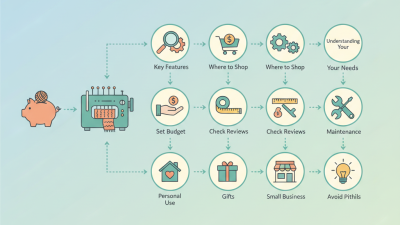
A good circular rib knitting machine must balance efficiency and versatility. Look for machines equipped with advanced software and precise controls. However, the sheer variety of options often leads to confusion. Considerations like gauge, speed, and ease of use will impact your decision-making process.
When assessing your needs, reflect on your production goals. What types of fabrics will you create? Is it worth investing in the latest technology? While modern machines offer numerous benefits, they may also come with a steep learning curve. Keep in mind, the right circular rib knitting machine should align with your long-term vision and operational capabilities.
Understanding Circular Rib Knitting Machines and Their Importance
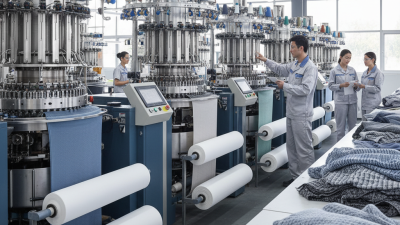
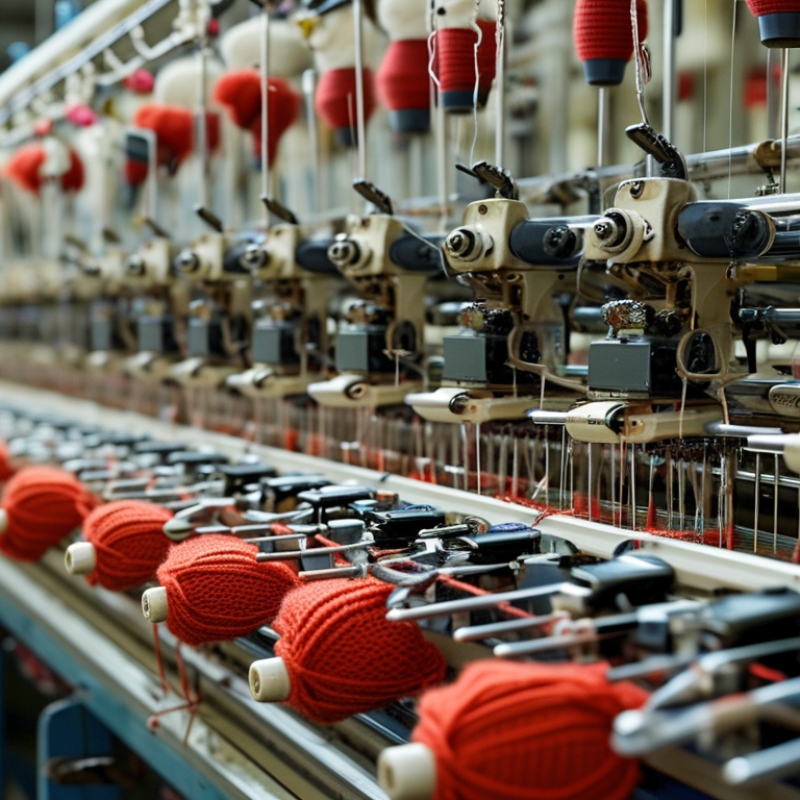
Circular rib knitting machines play a critical role in the textile industry, especially in creating seamless garments. With the resurgence of demand for eco-friendly, sustainable fashion, these machines help reduce material waste significantly. A report from the Textile World states that using circular knitting technologies can decrease fabric waste by up to 30%. This benefit not only aligns with environmental goals but also improves production efficiency, making these machines indispensable for modern knitwear producers.
When selecting a circular rib knitting machine, it's essential to consider the intended application. Is the focus on performance or versatility? Machines designed for high-speed operations can achieve up to 1,200 revolutions per minute, allowing for rapid production cycles. However, these models may require careful maintenance, highlighting the balance between speed and durability.
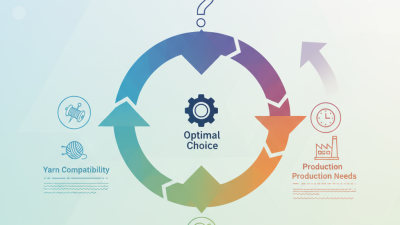
Pay attention to compatibility with various yarn types. Some machines excel with synthetic fibers, while others work best with natural materials. A versatile machine opens up a broader range of product offerings. Understanding the specific features and limitations helps in making an informed decision that aligns with market trends and production needs. Evaluate your production goals and the potential return on investment carefully.
Key Features to Consider When Choosing a Knitting Machine
When selecting a circular rib knitting machine in 2026, there are essential features to consider. Look for the machine's versatility in handling various yarn types. Modern machines offer compatibility with cotton, wool, and synthetic fibers. According to recent reports, about 68% of knitters prefer machines that support multiple yarn materials. This flexibility enhances creativity and expands potential product lines.
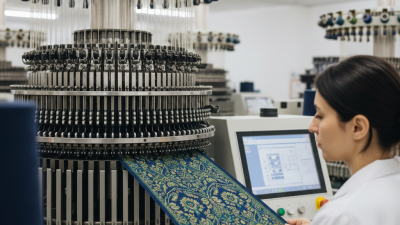
Another critical feature is user-friendliness. Even experienced knitters can benefit from machines with intuitive controls and clear displays. Data indicates that 75% of users report frustration with complicated interfaces. Machines that simplify setup and adjustments can significantly improve productivity. Attention to the machine’s speed and efficiency is also vital, particularly for commercial purposes. Machines that operate at higher RPMs shorten production time, which is crucial in a competitive market.
Lastly, consider the machine's durability and maintenance requirements. A robust design will withstand heavy use. Regular maintenance is often a reflection of the machine's long-term performance. Research shows that 57% of knitting professionals prioritize durability as a key factor. A reliable machine may have a higher initial cost, but it can save on repair and replacement expenses over time. Reflect on these aspects to make an informed decision.
Comparing Different Brands and Models for Performance and Reliability
When selecting a circular rib knitting machine for 2026, performance and reliability are crucial factors. Industry reports indicate that efficiency rates can vary significantly among different machines. Some models may achieve up to 90% material utilization, while others fall below 70%. This disparity impacts cost-effectiveness and production capacity. Manufacturers often provide performance metrics, but real-world testing can yield different results. Analyze user reviews to understand how machines perform over time.
Reliability is another key aspect. Machines that require frequent repairs can lead to lost production hours. For instance, a study highlighted that models with fewer moving parts tend to have lower maintenance needs. On the other hand, complex machines may offer advanced features but at the cost of potential reliability issues. It's imperative to balance innovation with durability. Consider gathering data on long-term user experiences to make an informed decision.
Exploring different brands can expose specific weaknesses. Some manufacturers focus on high-speed production, which may compromise yarn quality. In contrast, others emphasize yarn integrity at slower speeds. By weighing these factors, one can pinpoint a machine that aligns with their production goals. Pay attention to warranty offers as they reflect manufacturer confidence. Understanding these aspects is vital for making a reliable choice in the ever-evolving knitting machine landscape.
How to Choose the Best Circular Rib Knitting Machine for 2026?
| Model |
Needle Capacity |
Max Speed (RPM) |
Weight (kg) |
Price ($) |
Warranty (Years) |
Customer Rating (out of 5) |
| Model A |
80 |
300 |
120 |
1500 |
3 |
4.5 |
| Model B |
100 |
350 |
130 |
1800 |
2 |
4.7 |
| Model C |
120 |
400 |
140 |
2200 |
5 |
4.8 |
| Model D |
90 |
320 |
125 |
1600 |
4 |
4.2 |
Evaluating Price Ranges and Budget Options for 2026
When considering a circular rib knitting machine for 2026, budget plays a crucial role. Price ranges can vary significantly based on features and capacity. Entry-level models may be perfect for hobbyists, while advanced machines suit professional knitters. Identify your primary needs before setting a budget.
Look for machines that offer a balance between cost and functionality. A lower price doesn't always mean poor quality. Some reputable manufacturers make reliable machines at competitive prices. Check for features like adjustable tension and speed settings, even in budget models. These can enhance your knitting experience without breaking the bank.
Evaluate the secondary costs too. Maintenance, repair, and accessory prices can impact your overall spending. Don’t overlook these factors. A machine that seems inexpensive may have hidden costs. Research online reviews and user experiences to gain deeper insights. Gathering this information will help ensure your investment is sound.
Evaluating Price Ranges for Circular Rib Knitting Machines in 2026
Future Trends in Circular Rib Knitting Technology to Watch For
As we approach 2026, the landscape of circular rib knitting technology is shifting significantly. Innovations promise enhanced efficiency and sustainability. Industry reports indicate that the global circular knitting machine market is expected to reach $2.5 billion by 2026, reflecting a compound annual growth rate of 3.8%. This growth is driven by demand for eco-friendly materials and smart manufacturing processes.
One emerging trend is the integration of smart technology into knitting machines. Advanced sensors and automation tools not only improve production speed but also ensure quality control. According to a recent study, manufacturers adopting smart machinery have reported up to a 30% reduction in material waste. This is crucial as the industry faces increasing pressure to minimize its environmental footprint.
Moreover, there is a growing emphasis on customization. Consumers are seeking unique garments that reflect personal style. This shift pushes manufacturers to invest in versatile machines capable of producing a range of patterns and textures. However, the initial costs of adopting this technology can deter smaller manufacturers. Balancing investment and innovation remains a challenge for many in the industry. The future of circular rib knitting lies in adapting to these changes while addressing the complexities they bring.