How to Choose the Best CNC Double Column Machining Center?
Choosing the right Cnc Double Column Machining Center is crucial for manufacturing success. These machines are designed for precision and heavy-duty tasks. However, not every model suits every need. Many factors must be considered to make an informed choice.
The performance of a CNC Double Column Machining Center can vary significantly based on brand, specifications, and features. It is essential to assess your specific machining requirements before making a decision. Moreover, a common oversight is not giving enough weight to after-sales support. Reliable service can impact your operation's efficiency.
Understanding the machine's technology is vital. Some centers offer advanced features like adaptive machining and enhanced user interfaces. Yet, newer technology can occasionally introduce complexity. Reflecting on how easy it is for your team to adapt is important. Ultimately, the choice of a CNC Double Column Machining Center should align with both current and future production goals.
Key Features to Consider in CNC Double Column Machining Centers
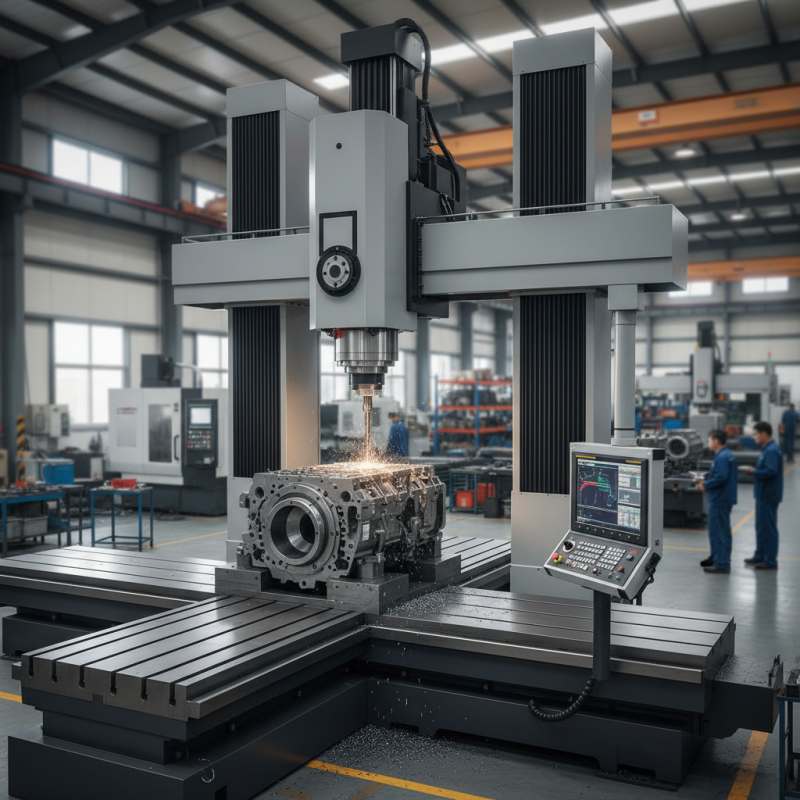
When selecting a CNC double column machining center, several key features should be at the forefront of your decision-making process. The structure of the machine is crucial. A robust double column design enhances stability and precision during operations. Additionally, check the machine's weight capacity. It should accommodate a variety of materials without risking deformation.
The spindle power and speed also play significant roles. A higher horsepower allows for faster cutting speeds. Consider the range of spindle speeds to ensure versatility in different machining tasks. Tool changers should be efficient, too. Look for options that minimize downtime between cuts, as this can drastically affect productivity.
Lastly, the control system requires attention. An intuitive interface can make programming easier. Reliable software support will help in maintaining the machine long-term. However, assessing user reviews can reveal potential issues with specific models. Balancing these features is essential for making an informed choice. Your specific needs and production goals should guide your final decision.
How to Choose the Best CNC Double Column Machining Center? - Key Features to Consider in CNC Double Column Machining Centers
| Feature | Description | Importance |
| Working Envelope | The maximum volume in which the machine can operate, affecting the size of the parts that can be machined. | High |
| Spindle Speed | The speed at which the spindle rotates, impacting the machining time and finish quality. | Medium |
| Accuracy and Tolerance | The precision of the machine in maintaining dimensions and shapes. | High |
| Material Compatibility | Types of materials the machine can efficiently process, such as metals, plastics, etc. | Medium |
| Tool Change System | Whether the machine has automatic or manual tool change capabilities, influencing productivity. | High |
| Control System | Type of control software and user interface, affecting ease of use and programming. | Medium |
| Weight Capacity | The maximum weight of the workpiece the machine can support during machining. | High |
Understanding Different Types of CNC Double Column Machining Centers
When selecting a CNC double column machining center, understanding the various types is crucial. These machines come in several configurations, designed to cater to different industrial needs. Vertical machining centers excel in high-precision tasks, while horizontal centers are ideal for large workpieces. According to industry reports, the demand for double column machines is rising, expected to reach a market value of over $3 billion by 2026.
Choosing the right type hinges on your specific applications. For instance, a heavy-duty double column mill is essential for metalworking. However, lighter models can suffice for softer materials. This requires careful consideration of the materials you typically use. Do you often work with steel or aluminum? Knowing your needs can guide your decision.
Tips: Always evaluate machine specifications. Look for the maximum load capacity and rigidity. This enhances accuracy during machining. Consider the size of your workpieces as well. Investing in a machine that accommodates growth can pay off in the long run. Make sure to assess the machine's software compatibility. Efficient programming can streamline your operations.
It’s common to face challenges in maintenance as well. Many users underestimate downtime for repairs. Regular checks aren't just advisable; they are necessary. They prolong your machine's lifespan and ensure continued precision. Be prepared to adapt your techniques as new technology emerges. Flexibility can lead to better outcomes.
Assessing Size and Workspace Requirements for CNC Machinery
When selecting a CNC double column machining center, assessing size and workspace is crucial. The dimensions of your facility will dictate the type of machinery you can accommodate. A recent industry report from the Association for Manufacturing Technology states that nearly 40% of businesses misjudge their workspace needs. This miscalculation can lead to equipment that cannot function properly due to space constraints.
It’s vital to measure your available area, including ceiling height and floor space. Consider the layout of your workspace as well. A design that promotes ease of access to the machine is important for both efficiency and safety. A well-planned environment can enhance productivity by up to 30%, according to a study from the National Institute of Standards and Technology.
Tips: Always leave extra space for maintenance activities. Machines often require a buffer zone that isn’t just for moving parts, but also for servicing. Ensure there’s adequate ventilation if your machine generates heat. Contemplate future growth as well. If you plan to expand, choose a machining center that can fit additional attachments or tools without compromising your current operations.
Evaluating Precision and Tolerance Levels in CNC Machining
When evaluating precision and tolerance levels in CNC machining, several factors come into play. Precision refers to how closely a machining process can replicate a desired measurement. It is crucial for producing parts that fit together without gaps. Tolerance, on the other hand, defines the acceptable range of variation. A tighter tolerance often means higher costs and longer production times.
Understanding the demands of your project is essential. If you are crafting intricate components, tight tolerances are vital. However, if your project can handle larger tolerances, it may be possible to reduce costs. Always assess the design requirements and the material used. Some materials allow for greater flexibility than others.
The machine's capabilities are also fundamental. Not all CNC machining centers are created equal. Some may excel in high-speed operations but fall short in precise detailing. Partners or manufacturers often provide insights based on experience. Seek advice from industry experts to gauge which configurations suit your needs. Reflect on prior projects to guide your choices. Analyze what worked and what didn’t. Making the right decision today can save time and resources in the long run.
Budgeting and Cost Analysis for CNC Double Column Machining Centers
When budgeting for a CNC double column machining center, it's crucial to account for both initial and ongoing costs. A recent report by Industry Analysts suggests that the average cost of these machines can range from $200,000 to over $1 million, depending on specifications. This wide range leaves room for companies to assess their financial capabilities and production needs.
In addition to the purchase price, consider maintenance expenses, tool replacements, and training for operators. These factors can add an additional 10% to 20% of the machine's cost annually. A 2023 market analysis showed that increased downtime due to lack of training can lead to a staggering 15% drop in productivity. Hence, investing in comprehensive training programs can mitigate unexpected costs later.
Furthermore, factor in the potential return on investment (ROI). It's important to forecast how quickly the center will pay for itself through increased efficiency. A detailed cost-benefit analysis can reveal whether the investment aligns with long-term business goals. However, keep in mind that relying solely on previous machine performance might not yield accurate predictions. Market conditions and technological advancements can significantly change expected outcomes. Thus, thorough research is essential to making informed financial decisions.
CNC Double Column Machining Center Cost Analysis
The following chart illustrates the average cost of different types of CNC double column machining centers based on their capabilities and applications.

