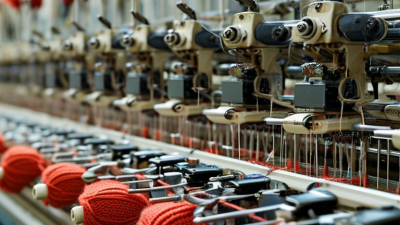
How to Choose the Best Jersey Machine for Your Business

Choosing the Best Jersey Machine for Your Business begins with one practical question: what will you produce every week?

Demand alone does not justify the fastest machine. Textile Exchange’s Materials Market Report 2024 recorded global fiber production at 124 million tonnes in 2023. It projects approximately 160 million tonnes by 2030. That growth increases pressure to reduce waste, energy use, and unsold inventory. A suitable jersey machine can support this goal through stable fabric quality, accurate gauge selection, and efficient yarn consumption. However, the wrong specification may create expensive problems. A machine designed for lightweight single jersey may struggle with heavier fabrics or demanding recycled yarns.

Dr. Thomas Gries, a respected textile-technology specialist at RWTH Aachen University, states, “The right machine must match the process, not merely the product.” This principle deserves attention. Compare cylinder diameter, gauge, feeder count, knitting speed, automation, and maintenance access. Ask suppliers for fabric samples using your actual yarn. Watch the machine run. Listen for irregular noise. Check whether operators can reach the needle bed without awkward delays. Small details matter.

The International Textile Machinery Federation also highlights changing investment conditions across textile manufacturing. Energy efficiency and production flexibility now influence purchasing decisions. A lower purchase price can look attractive, yet downtime, spare parts, and operator training may cost more later. This is where many plans become imperfect. A spreadsheet cannot predict every yarn break. Therefore, test before committing, calculate total ownership costs, and choose service reliability over impressive brochure figures.
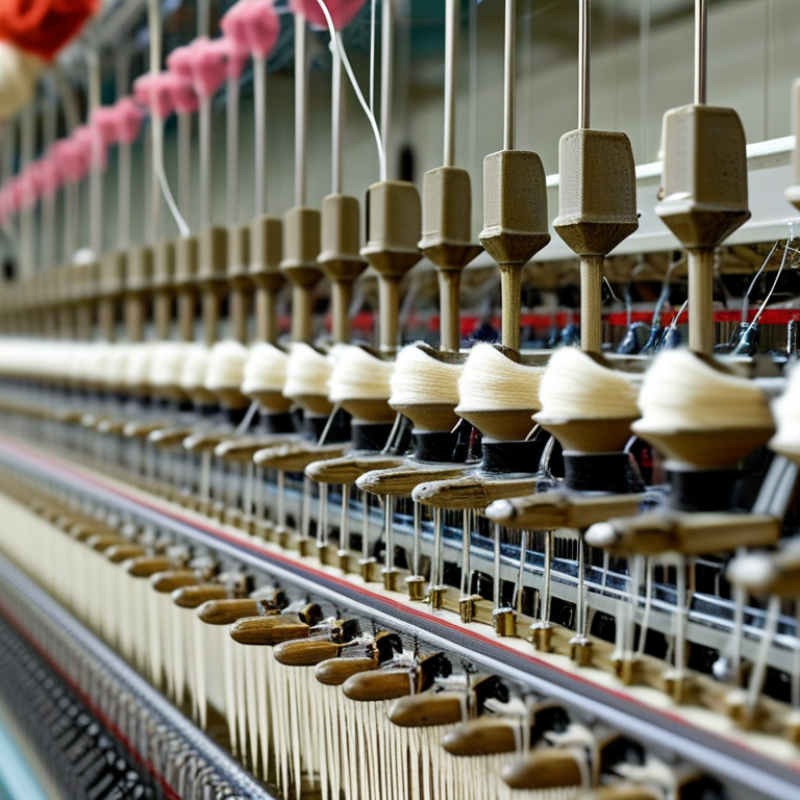
How to Choose the Best Jersey Machine for Your Business

Define Your Jersey Production Requirements

Choosing a jersey machine starts with your production requirements, not its advertised speed. Define your target fabrics, including single jersey, rib, interlock, or stretch blends. Record fabric weight, desired width, yarn count, and monthly order volume. These details determine the machine’s diameter, gauge, feeder number, and control system.

Industry data can guide planning. The International Textile Machinery Federation reported roughly 96,000 large circular knitting machines shipped worldwide in 2022. That figure shows strong investment, but market demand does not guarantee a suitable purchase. Textile Exchange’s 2024 Materials Market Report estimated global fiber production at 124 million tonnes in 2023, with polyester accounting for about 57%. If your customers prefer recycled polyester or elastane blends, test yarn tension and stitch stability before committing. Small samples reveal problems that specifications hide. I have seen production plans fail because fabric recovery was measured too late.

Tips: Build a three-month demand forecast. Test your actual yarns. Measure GSM after washing. Check power use, operator skill, maintenance access, and spare-part availability. Ask for sample fabric, not only machine output figures. A machine producing 30 kilograms per hour may still be inefficient if setup waste is high. Leave capacity for seasonal orders, but avoid buying oversized equipment without confirmed demand. One overlooked issue is floor space; allow room for yarn storage, inspection, and safe fabric removal.

Compare Jersey Machine Types and Core Features

Choosing the best jersey machine starts with comparing machine types, not chasing the highest speed. Single jersey circular machines produce lightweight, flexible fabric in tubular form. They suit T-shirts, sportswear, and everyday garments. Their simpler structure can reduce setup time, but the fabric may curl at the edges.

Double jersey machines create denser, more stable fabrics. They support rib, interlock, and other constructions with better shape retention. These machines usually require more needles, stronger control systems, and careful tension adjustment. Flat knitting machines build shaped panels directly, which can reduce cutting waste. However, they often need more programming skill and may produce less fabric per hour.

Core features deserve close inspection. Match the machine gauge with your yarn size and target fabric weight. Check the cylinder diameter, number of feeders, needle quality, and maximum working speed. Positive yarn feeding helps maintain even loops. Reliable take-down control reduces wrinkles and uneven width. Modern monitoring systems can detect broken needles or abnormal tension early.

Do not overlook maintenance.

In my experience, easy access to needles and sensors saves more time than impressive speed figures. A machine running too fast can create defects, especially during new production trials. Energy use, operator training, spare-part availability, and floor space also affect the real cost. A practical choice should fit your current orders, technical staff, and quality standards. The cheapest machine may become expensive when adjustments remain constant.

How to Choose the Best Jersey Machine for Your Business

Comparison of jersey machine types and core operating features

The chart uses indicative 1–5 scores based on typical textile-industry characteristics. Higher scores indicate stronger suitability for the feature. Single jersey circular machines are generally efficient for lightweight basic fabrics, double jersey machines support thicker and more structured fabrics, flat knitting machines provide high pattern flexibility, and warp knitting machines are designed for continuous high-speed fabric production.

Evaluate Output Quality, Speed, and Production Capacity

Choosing a jersey machine should begin with the fabric it produces, not its advertised speed. Inspect stitch definition, surface smoothness, color consistency, and seam strength from actual samples. Small defects matter. A loose loop can weaken an entire garment after repeated washing. I recommend testing several yarn types and recording shrinkage after laundering. Measure it daily.

Speed matters only when quality remains stable. Run the machine at its intended production rate for several hours, then inspect the fabric under strong light. Watch for dropped stitches, uneven tension, needle marks, and excessive heat. A fast machine that needs frequent adjustment may produce fewer saleable pieces than a slower, steadier model. My own trials have shown that sample-room performance can look better than a full-shift result. That difference deserves attention.

Production capacity must match real orders, staffing, and maintenance time. Calculate usable output, not the number shown on a specification sheet. Include setup, cleaning, yarn changes, quality checks, and unexpected stoppages. For example, a machine rated for 500 units may deliver only 380 finished pieces during a normal shift. That estimate may feel disappointing, but it is more useful for planning. Compare waste rates, operator requirements, spare-part access, and service response before committing. A small workshop may benefit from flexible capacity, while a larger operation needs consistent throughput across multiple shifts. Performance records from similar working conditions are more reliable than showroom demonstrations.

Calculate Equipment Costs, Maintenance, and Return on Investment

Choosing a jersey machine begins with a full ownership calculation, not the purchase price. The machine may cost $42,000, while installation, training, tooling, and electrical work add another $6,000. A practical budget should also reserve 3–5% of equipment value annually for preventive maintenance. That covers lubrication, needle replacement, sensor checks, and emergency service. Small parts become expensive when production stops.

Energy deserves close attention. The U.S. Department of Energy reports that motor-driven systems consume more than 70% of industrial electricity. A machine with efficient drives can therefore reduce operating costs over several years. The 2024 Textile Exchange Materials Market Report states that polyester represented about 57% of global fiber production in 2023. This supports strong demand for synthetic jersey, but material prices and customer preferences can change quickly.

Use a conservative ROI model. Suppose one machine produces 250 kilograms monthly, with a contribution margin of $3.20 per kilogram. Annual contribution reaches $9,600 before energy, labor, maintenance, and financing. If operating expenses total $4,800, the yearly benefit becomes $4,800. Against a $48,000 installed cost, the simple payback is ten years. That result may feel disappointing. It is also more honest than assuming full capacity. Test your actual order history, downtime, rejection rate, and maintenance records before buying. A cheaper machine is not always cheaper.

Choose a Reliable Supplier and Plan for Future Growth

Choosing the best jersey machine starts with the supplier, not the machine’s advertised speed. A reliable supplier should explain gauge options, fabric compatibility, power requirements, and expected output in plain language. Ask for a sample knitted with your yarn and preferred stitch pattern. Inspect the edges, tension, color consistency, and finishing quality under normal production conditions. A polished demonstration is not enough.

Check how the supplier supports customers after installation. Clear manuals, operator training, remote assistance, and accessible spare parts can prevent long production delays. Ask about warranty coverage and typical repair response times. Speak with several existing users if possible. Their experience may reveal details that sales materials omit, such as noisy operation or frequent cleaning needs. Small details matter.

Plan beyond your first order. Choose a machine that can handle current demand but leaves room for additional needles, patterns, or production lines. Confirm whether software updates and technical upgrades will remain available as your business grows. I once underestimated setup time because the supplier provided optimistic figures. That mistake affected delivery schedules and labor costs. Build a realistic trial period into your plan. It is better to produce fewer jerseys consistently than to chase impressive speed with unstable quality. Keep records of output, maintenance, yarn waste, and operator feedback during the first months. Those records will guide your next investment more reliably than promises.

How to Choose the Best Jersey Machine for Your Business - Choose a Reliable Supplier and Plan for Future Growth

Machine Type Typical Product Range Common Diameter Typical Gauge Approx. Feeders Typical Speed Range Indicative Output* Approx. Installed Power Best Business Fit Growth Considerations
Single Jersey Circular Machine T-shirts, lightweight tops, sportswear, basic jersey fabric 30–38 in 18–32 needles/in 60–96 18–30 rpm 18–35 kg/day 5.5–9 kW Start-ups and manufacturers focused on standard single-knit fabrics Choose electronic stitch-density control and spare feeder capacity if product variety is expected to increase.
Electronic Single Jersey Machine Striped, plated, engineered, and performance jersey fabrics 30–38 in 24–36 needles/in 72–108 20–32 rpm 20–40 kg/day 7.5–12 kW Businesses serving fashion, activewear, and short-run custom orders Higher automation can reduce setup time and support more designs without purchasing a separate machine for every fabric style.
Double Jersey Interlock Machine Interlock, compact jersey, underwear, babywear, and premium basics 30–36 in 20–32 needles/in 60–96 16–26 rpm 22–42 kg/day 8–14 kW Producers needing thicker, smoother, and more stable double-knit fabrics Confirm cylinder and dial compatibility, fabric-width requirements, and technician support before investing.
Rib Circular Machine Rib collars, cuffs, waistbands, stretch garments, and body-hugging fabrics 24–36 in 12–28 needles/in 48–84 12–22 rpm 12–28 kg/day 6–11 kW Garment factories supplying stretch components and structured knitwear Useful as a complementary machine, but it may not replace a single-jersey line for broad product coverage.
High-Speed Basic Jersey Machine Large-volume commodity T-shirt and lining fabrics 30–38 in 18–28 needles/in 72–108 24–36 rpm 28–50 kg/day 9–15 kW Established mills with stable orders, experienced operators, and strong maintenance routines Prioritize uptime, lubrication systems, energy monitoring, and local access to wear parts over maximum rated speed alone.
Open-Width Jersey Machine Low-twist jersey, wider tubular fabrics, and applications requiring reduced side creasing 30–38 in 18–32 needles/in 60–96 16–28 rpm 18–38 kg/day 7–13 kW Businesses supplying finishing lines that require flatter fabric presentation Allow additional floor space for opening, spreading, inspection, and finishing equipment.
Sample and Small-Batch Jersey Machine Development samples, test fabrics, boutique collections, and pilot production 12–30 in 16–32 needles/in 24–72 8–20 rpm 3–15 kg/day 3–7.5 kW Design studios, technical centers, and manufacturers validating new products Lower capacity reduces financial risk, but verify whether the machine can reproduce the fabric structures required for future bulk orders.
Selection checklist: Compare actual fabric requirements, usable production speed, power consumption, operator training, spare-parts availability, warranty terms, remote technical support, installation requirements, and the supplier’s documented service response time. *Indicative output is a practical planning range for standard cotton or cotton-blend jersey under typical operating conditions; actual results vary with yarn count, stitch length, fabric weight, machine gauge, efficiency, downtime, and quality standards.
Close
Go top
Translate »