How to Choose the Best Laser Sheet Cutting Machine for Your Needs?
When considering a Laser sheet cutting machine, the choice can be overwhelming. Industry expert Dr. John Miller, a leading authority in laser technology, emphasizes, “Selecting the right machine is critical for efficiency and precision.” This highlights the importance of making an informed decision.
A laser sheet cutting machine is an essential investment for many businesses. Understanding your specific needs can greatly influence the type of machine you select. Different materials, thicknesses, and desired cut quality should drive your decision process. It is not just about brand names; it is about how well the machine fits your production goals.
Moreover, the landscape of laser cutting technology is constantly evolving. Features like automation, software compatibility, and maintenance support play significant roles. A more complex machine may promise advanced features but could lead to challenges in operation. Careful consideration and research are crucial to avoid potential pitfalls. By taking the time to evaluate your needs, you can confidently choose a laser sheet cutting machine that aligns with your business objectives.
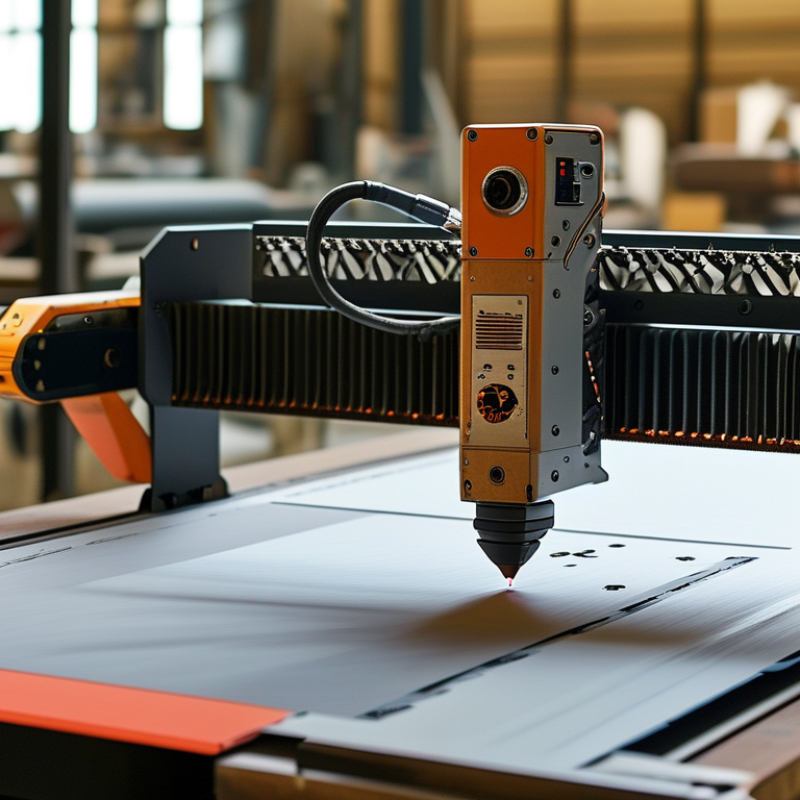
Factors to Consider When Selecting a Laser Sheet Cutting Machine
Selecting the right laser sheet cutting machine involves careful consideration of several factors. One crucial element is the machine’s power. A higher wattage may provide faster cutting speeds and the ability to cut thicker materials. However, it can also increase operational costs. Striking a balance between power and efficiency is key.
Another important factor is the cutting area size. The dimensions of the machine will determine the maximum sheet size you can work with. Consider your typical material dimensions to ensure compatibility. If your projects vary widely in size, a machine with adjustable capabilities might be necessary.
Additionally, evaluate the ease of use and maintenance. Some machines come with user-friendly interfaces, which can reduce the learning curve. However, more complex machines may offer advanced features that require extensive training. Reflect on your team's expertise and the time available for training. Regular maintenance is also crucial; machines that are difficult to service may incur higher long-term costs.
Types of Laser Cutting Technologies: Fiber vs. CO2
When selecting a laser sheet cutting machine, consider the type of laser technology it employs. Two popular options are fiber and CO2 lasers. Fiber lasers operate using a solid-state design, which makes them more efficient and compact. They excel at cutting metal sheets with precision. The beam quality often leads to finer cuts, requiring less post-processing.
On the other hand, CO2 lasers are versatile. They can cut, engrave, and even etch various materials. This includes wood, plastics, and glass. While they may not be as fast as fiber lasers for metal, their ability to handle multiple materials makes them appealing to many users. However, they typically require more maintenance due to their gas-filled tubes, which can be a consideration for long-term use.
In choosing between these technologies, reflect on your specific needs. Your choice depends heavily on the materials you will work with and your production volume. If your focus is primarily on metal, fiber lasers might be the way to go. If versatility is desired, then CO2 lasers can provide a broader range of applications. It's important to weigh these factors carefully. The right machine can significantly impact efficiency and capability in your projects.
Key Specifications: Power, Speed, and Precision for Optimal Cutting
When choosing a laser sheet cutting machine, understanding power, speed, and precision is crucial. Industry reports indicate that machines with a power rating between 1000W to 3000W tend to offer optimal performance for thin to medium sheet materials. The right power not only influences cutting speed but also impacts the thickness of materials that can be handled efficiently. For instance, a machine with 1500W can effectively cut through materials up to 10 mm, but higher power ratings can reduce cutting times significantly.
Speed is another vital specification. Many laser cutting machines can achieve speeds of up to 1000 inches per minute. However, faster isn't always better. Increased speeds may lead to decreased precision. Studies show that cutting at optimal speeds, tailored to material type, ensures quality edges and reduces the need for post-processing. It's worth noting that ideal speed depends on the material's thickness and composition.
Precision is often measured in terms of kerf width. Machines boasting a 0.1 mm kerf or lower are recommended for intricate designs. Precision affects workflow, as tighter tolerances often require a more skilled operator. However, achieving this level of precision consistently can be challenging. It's essential to carefully consider the trade-offs between speed and precision during the selection process. In the ever-evolving technology landscape, ongoing training and machinery updates are necessary to maintain competitive cutting standards.
Laser Cutting Machine Specifications Comparison
Cost Analysis: Budgeting for Initial Purchase and Maintenance
When considering a laser sheet cutting machine, understanding the costs is crucial. Initial purchase costs can vary significantly. A decent machine may range from $10,000 to over $100,000. Factors such as cutting speed, precision, and technology influence these prices. According to a report by Research and Markets, the global laser cutting market is expected to reach $4.5 billion by 2026. This highlights the growing demand and potential investment returns.
Maintenance is another cost to account for. Many facilities overlook ongoing expenses like servicing and consumables. Regular maintenance can add up to 10-20% of the machine’s initial cost annually. For example, lens and mirror replacements need careful budgeting. Over time, unexpected breakdowns can lead to costly downtime. Companies should plan for a contingency fund to cover these situations. Engaging with professionals for assessments may help clarify long-term expenses.
One challenge is ensuring you choose the right machine that aligns with your budget. A lower-cost option may save money initially but could lead to higher maintenance fees in the long run. Investing more upfront in a reliable, robust machine could reduce overall costs over time. Evaluating trade-offs and potential hidden costs is essential. Making thoughtful choices can significantly impact operational efficiency.
Industry Applications: Choosing the Right Machine for Your Sector
When selecting a laser sheet cutting machine, the specific industry application plays a vital role. Different sectors have distinct needs. For instance, the automotive industry often requires precision and speed. According to a recent report by MarketsandMarkets, the laser cutting market in automotive is expected to reach $4.2 billion by 2026, showing a growth trend fueled by demand for lightweight materials and intricate designs. These machines must handle thick materials efficiently while maintaining tolerances as tight as 0.02 mm.
In contrast, the textile sector demands versatility and adaptability. Laser cutting machines here must navigate through various fabric types. A key challenge is fabric distortion; hence, a machine's ability to adjust settings for different materials is paramount. The global demand for laser cutting in textiles is projected to grow at a CAGR of 8% from 2023 to 2030. These insights indicate that understanding the specific applications in your sector is essential for making the right choice.
Industries such as electronics prioritize speed and precision while also focusing on minimizing waste. With the rise in product complexity, machines must keep pace. Yet, many companies overlook the importance of machine maintenance. Regular checks are necessary but often neglected. Industry data suggests that routine maintenance can improve machine longevity by up to 30%. Failure to address this can lead to costly downtimes and inefficient production cycles.

