How to Choose Circular Knitting Machine Parts?
Choosing circular knitting machine parts is a practical decision that affects fabric quality, machine uptime, and production costs. A worn needle, damaged sinker, or poorly matched cylinder can leave visible lines across the fabric. It may also create vibration, uneven loops, or repeated machine stoppages. The correct part must match the machine model, gauge, yarn type, and operating speed.
Dr. J. Hayavadana, a textile engineering specialist, states, “Knitting quality depends on the precise interaction between needles, sinkers, and yarn.” This principle guides the selection of reliable circular knitting machine parts. Buyers should examine material hardness, surface finish, dimensional accuracy, supplier testing, and compatibility records. A part that looks identical may perform differently after several production hours. Small differences matter.
Experience on the factory floor is equally valuable. Check the old component under strong light. Look for polished wear marks, bent edges, cracks, and unusual discoloration. Ask whether the replacement has been tested under similar yarn tension and machine speed. A trusted supplier should provide technical specifications, inspection details, and responsive after-sales support.
Still, no checklist is perfect. Operators sometimes replace a visible part while ignoring incorrect lubrication or poor alignment. That mistake can repeat the original failure. Cost also deserves careful reflection. The cheapest component may increase waste, downtime, and maintenance labor. A slightly higher-quality part can protect production stability over time. This guide explains how to compare specifications, verify supplier credibility, and choose parts that support consistent knitting performance.
Understanding Circular Knitting Machine Parts and Their Functions
How to Choose Circular Knitting Machine Parts?
Understanding Circular Knitting Machine Parts and Their Functions
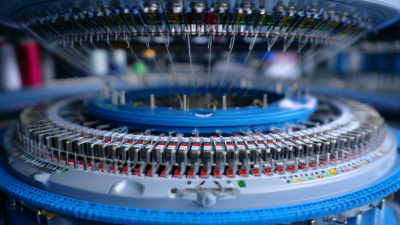
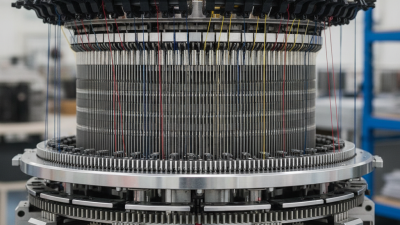
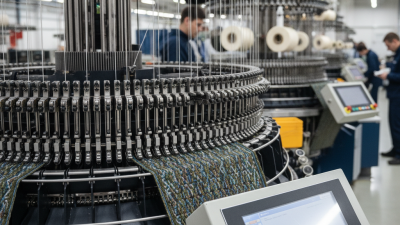
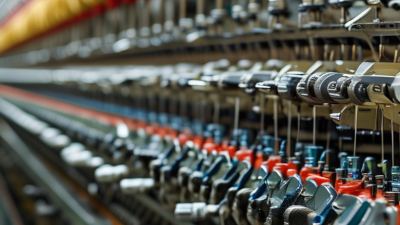
Choosing parts starts with understanding how each component shapes the fabric. Needles form loops inside the cylinder grooves. Sinkers hold and control those loops during knitting. In double-jersey machines, the dial works with the cylinder to create two fabric layers. Cams guide needle and sinker movement. Even a small cam defect can cause dropped stitches or uneven rows.
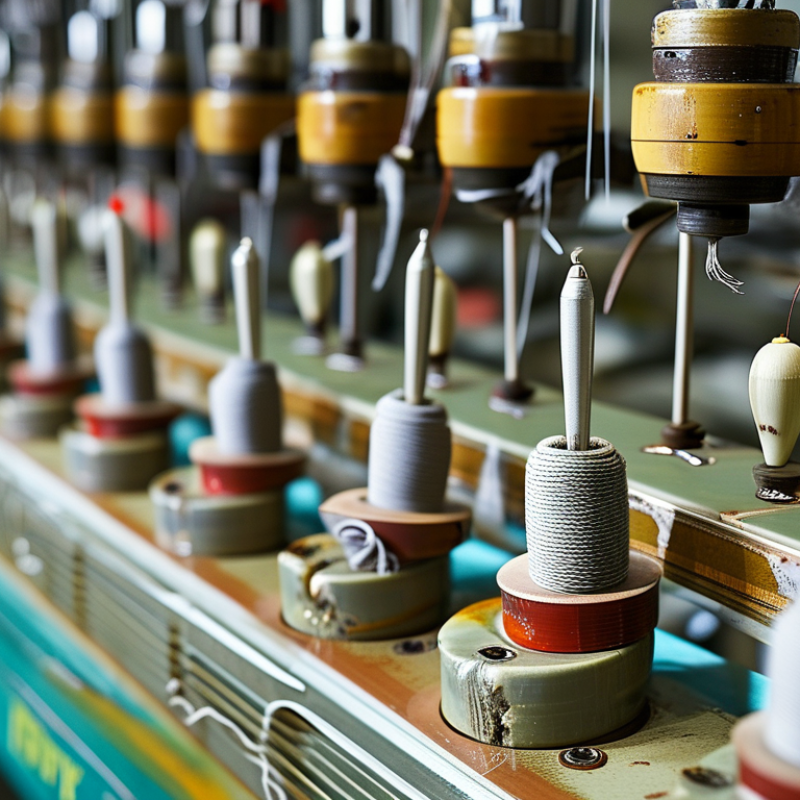
Feeders deliver yarn at a controlled position. Yarn guides must align smoothly with the needles. The take-down system pulls fabric downward and affects fabric density. Lubrication systems reduce friction around moving parts. Sensors monitor thread breaks, speed, or abnormal movement. These components may seem secondary, but production stability depends on them.
Match every replacement part with the machine type, gauge, diameter, and knitting structure. Check dimensions against technical drawings, not appearance alone. During inspection, look for bent needle latches, worn cam tracks, burrs, and damaged sinker edges. I once replaced needles without checking the cam path, and the same fault returned. That mistake showed me that parts should be diagnosed as a system. A short test run at low speed can reveal noise, oil marks, or fabric distortion. Keep maintenance records with dates, measurements, and observed defects. Some choices still require judgment, especially when wear appears gradual rather than obvious.
Evaluating Materials, Quality, and Manufacturing Standards
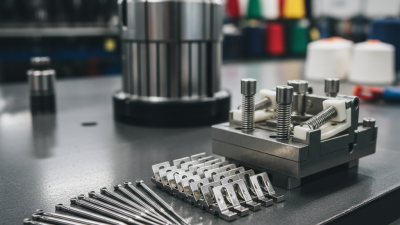
Choosing circular knitting machine parts starts with material evidence, not a shiny surface. In daily maintenance, needles and sinkers face friction, heat, lint, and repeated impact. Hardened tool steel usually offers better wear resistance, but excessive hardness can cause brittle edges. Check the supplier’s hardness range, alloy specification, and heat-treatment records. A part that looks precise may still fail early.
The Textile Exchange Materials Market Report 2024 estimates global fiber production reached 124 million tonnes in 2023. This growth increases pressure on machines and replacement components. More lint, recycled fibers, and abrasive additives can accelerate groove wear. Ask whether testing reflects your yarn type. Laboratory results may not match a dusty production floor. That gap deserves attention.
Dimensional control is equally important. Confirm needle thickness, hook geometry, butt height, and stated tolerances. ISO 286-1 provides a useful framework for fits and tolerance grades. Surface roughness should also be measured, not guessed by touch. A clean inspection report should show sampling methods, gauges, and rejected quantities. ISO’s 2023 certification survey recorded over 1.26 million ISO 9001 certificates worldwide, but certification alone proves little about one component. Request traceability, batch records, and corrective-action reports. I would also test a small batch for several production cycles before purchasing more. It costs time. It can reveal problems early.
Selecting Parts for Different Knitting Applications
Choosing circular knitting machine parts starts with the fabric’s final use. Lightweight jersey needs precise needles, stable sinkers, and smooth yarn feeding. Rib fabrics demand compatible needle and cylinder arrangements. Interlock requires accurate timing between two needle beds. For fleece, stronger sinkers and reliable take-down control can reduce fabric distortion.
Textile Exchange’s 2024 Materials Market Report estimates global fiber production reached 124 million tonnes in 2023. It may rise to 160 million tonnes by 2030. This growth increases pressure to reduce waste during production. ITMF’s 2024 International Textile Machinery Shipment Statistics also highlight continuing investment in advanced textile equipment. However, newer parts are not automatically better. A part must match yarn count, fabric weight, speed, and machine gauge. The difficult lesson is simple: one successful setting may fail after a yarn change.
Tips: Check the yarn path before ordering feeders or guides. Measure worn needles, sinkers, and cam tracks. For elastane fabrics, test positive feeders at low speed first. Watch for needle heat, uneven loops, and vertical lines. Keep a small trial record. It saves time later. Technicians should also inspect take-down tension, especially with recycled fibers. These fibers can vary in length and friction. That variability needs patience. Some specifications remain unclear, so confirm dimensions with measured samples, not assumptions.
Checking Installation, Maintenance, and Supplier Support
Choosing circular knitting machine parts requires more than matching a part number. Installation accuracy matters. Check the needle cylinder, sinker ring, cam track, and mounting surfaces for burrs, dust, or uneven wear. A clearance error of only a few hundredths of a millimeter can cause dropped stitches, fabric lines, or abnormal noise. The 2024 Textile Exchange Materials Market Report estimated global fiber production reached 124 million tonnes in 2023. Higher production pressure makes stable machine performance increasingly important.
Maintenance should guide the purchase. Select parts with clear material specifications, dimensional tolerances, lubrication requirements, and inspection records. Ask whether the supplier provides replacement intervals and troubleshooting instructions. Keep a simple log for operating hours, oil changes, broken needles, and recurring defects. It reveals patterns. A small burr may look harmless. It is not. In practice, operators sometimes replace worn needles while ignoring a damaged cam surface, which only delays the failure.
Supplier support is part of the component’s real value. Confirm response times, technical training, installation drawings, and lot traceability before ordering. The ISO Survey 2023 recorded more than 1.2 million ISO 9001 certificates worldwide, showing how widely documented quality systems are used. Certification alone proves little, though. Request inspection samples and ask how complaints are analyzed. I would also test one batch before full replacement. No selection method is perfect, and field conditions can expose weaknesses that a catalog never shows.