How to Choose a Knitting Machine for Blankets
Choosing a knitting machine for blankets is less about buying the fastest model and more about matching the machine to your materials, workspace, and patience. A blanket may require hundreds of rows, wide panels, textured stitches, or careful seaming. The wrong machine can produce uneven edges, strained needles, and fabric that feels stiff after washing. Small details matter.
Knitting-machine educator Susan Guagliumi has emphasized, “The machine does not replace the knitter; it extends the knitter’s possibilities.” That idea is useful when comparing machines. A bulky-gauge model may handle thick wool and warm winter throws, while a standard-gauge machine may create lighter blankets with finer yarn. A mid-gauge option can offer a practical compromise, but compromises remain. No single knitting machine for blankets performs perfectly with every yarn weight.
This guide examines bed width, needle spacing, carriage features, stitch pattern options, motor assistance, and replacement-part availability. It also considers real working conditions, such as a narrow table, limited storage, and the need to knit several panels. Swatching is essential. A yarn label may suggest one setting, yet your tension can still change after washing. That is easy to overlook.
Experienced knitters often test a small sample, measure it dry, wash it gently, and measure it again. The process feels slow. It prevents expensive mistakes. Reliable advice should acknowledge both the machine’s strengths and its limits, helping you choose confidently without promising effortless results.
Define Blanket Requirements and Project Goals
Before choosing a knitting machine for blankets, define the project in measurable terms. Record the finished width, length, target weight, stitch texture, and washing method. A baby blanket may need soft edges and frequent washing. A winter throw may require thicker yarn, larger stitches, and stronger fabric. Also decide whether you will make one blanket or produce several. Production volume changes the value of speed, automation, and pattern memory.
Yarn choice deserves careful attention. The 2024 Textile Exchange Materials Market Report states that global fiber production reached about 124 million tonnes in 2023 and may approach 160 million tonnes by 2030. This growth makes material traceability increasingly important. Check fiber content, yarn thickness, elasticity, and shrinkage before buying a machine. My first mistake was testing only a small square. The full blanket behaved differently. Weight pulled the fabric downward, and the edges curled more than expected. A machine’s listed gauge is only a starting point. Swatch under realistic tension.
Tips: Knit a larger sample, then wash and dry it as planned. Measure its width, length, drape, and recovery. Leave space for edge treatment. Check the machine’s maximum practical width, not only its advertised capacity. If the blanket feels stiff, reduce tension or reconsider the yarn. A beautiful swatch can still become an uncomfortable blanket.
Compare Knitting Machine Types and Suitable Blanket Sizes
How to Choose a Knitting Machine for Blankets
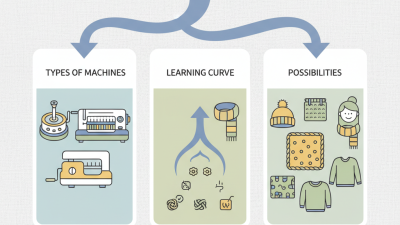
Machine type directly affects blanket width, texture, and finishing time.
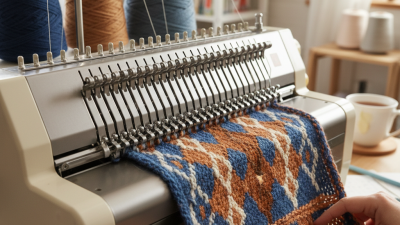
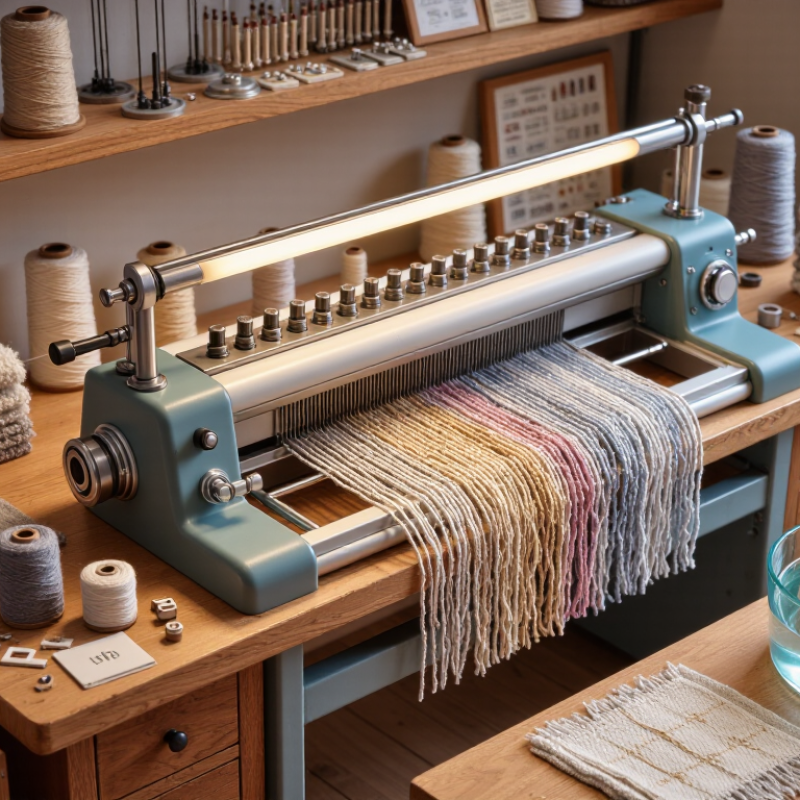
Flatbed machines create smooth panels and work well for baby blankets or throws. A standard-gauge machine suits lightweight yarn and fine patterns, while a bulky-gauge machine handles thicker yarn for warmer, faster projects. However, bulky fabric can become heavy and less flexible than expected.
Circular machines produce continuous tubes, so they are less convenient for traditional flat blankets. They can still help with narrow panels, borders, or textured sections.
For a baby blanket around 30 by 40 inches, a standard flatbed machine is usually manageable. A throw near 50 by 60 inches often requires several panels, especially when the machine has a limited needle bed.
Planning Larger Blankets
Larger blankets, such as twin sizes around 66 by 90 inches, need careful planning. Wider machines may reduce seaming, but they rarely eliminate it completely.
Measure the finished swatch after washing, not before. Yarn can relax, shrink, or stretch.
I once underestimated this change and produced a panel several inches shorter than planned. That mistake was useful, though inconvenient.
Check the machine’s gauge, needle width, yarn compatibility, and pattern repeats before buying.
Leave extra time for joining panels and stabilizing the edges. A neat border can hide small irregularities, but it cannot correct major sizing errors.
Evaluate Yarn Compatibility, Stitch Options, and Machine Capacity
How to Choose a Knitting Machine for Blankets
Yarn compatibility should guide your decision.
Check the machine’s recommended yarn weight before buying. A bulky yarn may jam, stretch unevenly, or overload the carriage. Fine yarn can work, but it often produces thin fabric and slower progress. Swatch first. Knit a small sample with your intended yarn, then wash and dry it as planned. Measure the fabric afterward, because some stitches relax significantly.
Stitch options also affect warmth, texture, and appearance.
Stockinette is efficient, but it may curl at the edges. Ribbing creates stretch, while tuck and slip stitches add texture without extra yarn colors. Test several patterns on scrap yarn. I once chose a decorative stitch that looked attractive in a sample. It became too dense for a full blanket. That shortcut failed. Simple borders can prevent curling more reliably than complicated designs.
Machine capacity matters when the blanket grows wider.
Measure the usable needle width, not just the machine’s outer frame. A narrow bed may require separate panels, which can create visible seams. Check the maximum stitch count and the carriage’s ability to handle repeated rows. Leave room for edge stitches and pattern repeats. A practical choice should also support comfortable hand movement. If the carriage feels heavy after ten minutes, long blanket sessions may become frustrating. Consider your actual workspace, yarn supply, and patience before choosing advanced features.
Check Ease of Use, Adjustability, and Required Accessories
When choosing a knitting machine for blankets, ease of use should guide your decision. A clear control layout reduces mistakes during long projects. Look for simple stitch selection, smooth carriage movement, and readable instructions. You should be able to change yarn without fighting the machine. That matters.
Try handling the carriage before buying, if possible. It should move evenly across the needle bed, without rough spots or excessive force. A wide bed can support larger panels, but it may require more space and careful alignment. Adjustable stitch density is essential for controlling fabric thickness and drape. Test several settings with a small swatch. A blanket can feel stiff when the setting seems efficient.
Required accessories also affect the real cost and learning curve. Check whether the machine needs weights, clamps, transfer tools, spare needles, or a separate yarn feeder. These parts are not minor details. Missing weights can create loose edges, while poor clamps may let the machine shift during work. I once underestimated the value of a row counter and lost track of several rows. That mistake was avoidable. Still, accessories vary by project, so buying everything immediately may waste money. Read the instruction manual carefully and confirm which tools support blanket-sized knitting. Experiences from experienced users can help, but verify their advice against the machine’s specifications.
How to Choose a Knitting Machine for Blankets
Compare common finished blanket sizes before choosing a machine. A wider bed, flexible stitch settings, and useful accessories can make large projects easier to knit and finish.
Selection tip: Check that the machine can accommodate the required panel width or modular sections. Adjustable stitch settings help control fabric density, while a row counter, weights, transfer tools, and a ribber can simplify blanket construction and edging.
Balance Machine Cost, Durability, and Long-Term Value
How to Choose a Knitting Machine for Blankets
Balance Machine Cost, Durability, and Long-Term Value
Choosing a knitting machine for blankets starts with real workload, not the lowest price. A sturdy mid-range machine may outperform a cheaper model after several years. Check its frame rigidity, needle-bed quality, replacement-part access, and repair documentation. A blanket can be wide, heavy, and repetitive. Weak components often reveal themselves during long sessions.
The Textile Exchange Materials Market Report 2024 states that global fiber production reached 124 million tonnes in 2023. It may reach 160 million tonnes by 2030. That growth makes durable equipment more important, especially for makers producing frequently. Calculate cost per finished blanket, including yarn waste, maintenance, electricity, and downtime. A machine costing 20% more may create better value if it lasts twice as long.
I learned this the hard way.
For occasional projects, manual features can reduce purchase cost and simplify repairs. For regular production, electronic controls may save time, but they add failure points. Do not assume more features mean longer service life. WRAP reported that extending clothing use by nine months can reduce carbon, water, and waste footprints by 20–30%. Longer-lasting blankets support the same practical principle. Still, durability is not guaranteed by weight alone. Ask whether the machine handles thick yarn consistently, leaves even tension, and remains comfortable after an hour of use. My first estimate ignored operator fatigue. That mistake mattered more than expected.