What is a Cold Room Panel and How Does It Work?
In the realm of temperature-controlled environments, the "Cold Room Panel" is an essential component. Industry expert Dr. Emily Hart, a renowned specialist in refrigeration technology, states, “Cold Room Panels are vital for maintaining optimal conditions in storage spaces.” This highlights their importance in various sectors, including food preservation and pharmaceuticals.
These panels serve as the backbone of cold storage facilities. Made from insulated materials, they regulate temperature effectively. Cold Room Panels can minimize energy costs while ensuring product safety. The design varies depending on specific needs, which adds complexity to the selection process.
However, choosing the right Cold Room Panel can be challenging. Factors like insulation type, thickness, and installation methods impact performance. Each decision carries weight, as improper choices may lead to inefficiencies. Reflecting on these nuances is crucial for optimizing cold storage solutions.
What Are Cold Room Panels?
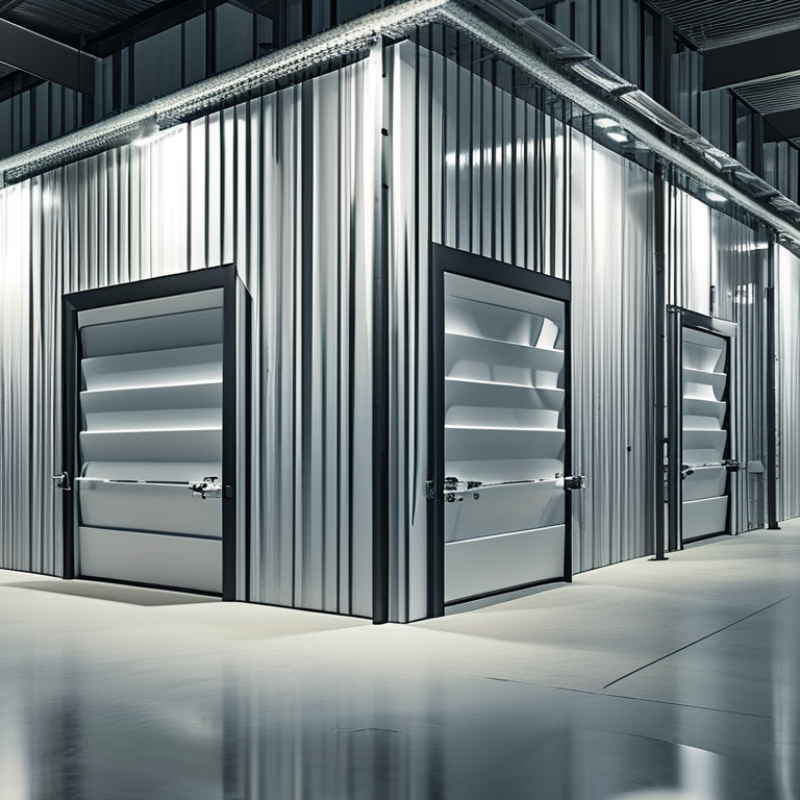
Cold room panels are specialized insulation materials designed to maintain low temperatures. They are widely used in various industries, especially in food storage and pharmaceuticals. Their construction typically includes rigid foam insulation sandwiched between sheets of metal. This design minimizes temperature transfer, which is crucial for preserving perishable items.
These panels are not only efficient but also versatile. They can be used in walk-in freezers, refrigerated warehouses, and even display cases. The thickness and density of the panels can vary based on the specific cooling needs. However, installation requires careful measurement and expertise to ensure effectiveness. An improper seal or alignment can lead to energy loss, which compromises the integrity of the cold space.
While cold room panels serve a vital purpose, they are not without challenges. Over time, panels can suffer from wear and tear. This can affect their insulation capabilities and lead to increased energy consumption. Routine maintenance and periodic inspection are essential to ensure long-lasting performance. Ultimately, understanding the role of cold room panels can enhance temperature control in various applications.
Cold Room Panel Performance Analysis
This bar chart depicts key performance metrics for cold room panels, including insulation thickness, heat transfer coefficient, energy efficiency, and cost per square meter. These factors play a crucial role in the effectiveness of cold room systems.
The Composition of Cold Room Panels
Cold room panels are essential in various industries where temperature control is crucial. These panels are composed of insulation materials that effectively maintain cold environments. The most common materials used in their construction include polyurethane, polystyrene, and mineral wool. These substances provide excellent thermal resistance, helping to minimize energy costs while ensuring effective cooling.
The panels typically consist of two external layers, often made of metal, surrounding a core of insulation. This design creates a barrier against heat transfer. Additionally, quality control during the manufacturing process is vital for ensuring their integrity and performance. Standard measurements are used to ensure panels fit perfectly. However, variations in thickness and density can affect insulation efficiency.
Cold room panels must withstand temperature fluctuations and various environmental factors. Over time, these panels may experience wear or degradation. Regular inspections can help identify issues early. Sometimes, replacement or repairs are needed. This reflects the importance of maintaining cold storage facilities properly. Investing in high-quality materials is crucial, but awareness of potential issues is equally important.
How Cold Room Panels Function in Temperature Control
Cold room panels play a crucial role in maintaining optimal temperatures in various settings. These panels consist of insulated materials designed to avoid temperature fluctuations. They are essential for storing sensitive goods, like food and pharmaceuticals. The insulation ensures that energy loss is minimal, thereby maintaining efficiency.
The function of cold room panels hinges on their ability to create an airtight environment. This setup helps stabilize the internal temperature, preventing unwanted heat intrusion. When ambient temperatures rise, the insulated panels help keep the interior cooler. However, improperly sealed panels can lead to inefficiencies. Even small gaps can result in energy loss. Regular inspections and maintenance of the panels are necessary to ensure they perform effectively.
Understanding how cold room panels work is imperative for businesses relying on temperature control. The right installation and proper usage enhance their effectiveness. It is important to be aware of the panel condition over time. Aging materials may need replacement to maintain efficiency. Small oversights can lead to greater issues, impacting temperature stability and operational costs.
Applications of Cold Room Panels in Various Industries
Cold room panels play a crucial role in various industries. They are designed to maintain low temperatures for the storage and transport of perishable goods. In the food industry, cold room panels are essential for keeping fresh produce, meat, and dairy products safe. A well- insulated environment protects these items from spoilage, ensuring quality and safety.
In pharmaceuticals, cold rooms are vital for storing vaccines, medications, and sensitive materials. Temperature stability prevents degradation, which could lead to ineffective products. Cold room panels also support logistics operations. Efficient temperature control during transit is necessary for preserving goods, which allows companies to meet safety regulations.
However, despite their importance, there are challenges to consider. Over time, cold room panels can develop leaks or lose insulation effectiveness. Routine checks are critical for ensuring optimal performance. Failure to maintain these panels can result in temperature fluctuations. This may lead to losses that impact the bottom line. It's essential for businesses to stay vigilant and address any issues promptly.
What is a Cold Room Panel and How Does It Work? - Applications of Cold Room Panels in Various Industries
| Industry | Application | Temperature Range (°C) | Panel Thickness (mm) | Material |
| Food Processing | Cold Storage for Meat and Dairy | -18 to 4 | 100 | EPS / PIR |
| Pharmaceutical | Storage of Vaccines | 2 to 8 | 80 | PU |
| Hospitality | Refrigeration for Restaurants | 0 to 5 | 75 | EPS |
| Logistics | Temperature-Controlled Transport | -20 to 10 | 100 | PIR |
| Grocery | Walk-In Coolers and Freezers | -20 to 4 | 100 | PU |
Benefits of Using Cold Room Panels for Refrigeration Needs
Cold room panels are essential in ensuring optimal refrigeration. These panels are crafted from materials that provide high insulation. A significant benefit of using cold room panels is energy efficiency. Reports suggest that businesses can reduce energy costs by up to 50% with proper insulation.
Another advantage involves maintaining temperature consistency. When storing perishable goods, fluctuations in temperature can lead to spoilage. Cold room panels minimize these fluctuations, preserving food quality. A study indicated that consistent temperature control can extend shelf life by 20% or more.
To maximize efficiency, regularly inspect the seals and joints of your cold room panels. This ensures airtight integrity, helping to prevent energy loss. Additionally, consider the layout of your cold storage space. Efficient organization can enhance airflow, further promoting consistent temperatures. Remember, the little details can have a big impact on operational success.

