Choosing the right machine and machine supplier can shape production quality, operating costs, and long-term business stability. A low purchase price may appear attractive, but it rarely tells the whole story. Buyers should examine output capacity, material compatibility, energy use, maintenance access, and operator safety. A machine that runs smoothly during a demonstration may perform differently under continuous factory pressure.
Real experience matters. Ask suppliers for verified performance data, installation records, customer references, and clear service response times. A reliable supplier should explain technical limits without hiding inconvenient details. It should also provide manuals, training, spare-parts support, and realistic delivery commitments. Vague promises deserve careful questioning.
Details reveal quality.
The evaluation should match the actual workplace. Consider floor space, power supply, temperature, dust, loading methods, and staff experience. Request a sample test using the intended material whenever possible. Measure cycle time, product consistency, noise, waste, and cleaning effort. These observations create stronger evidence than polished brochures.
There is no perfect buying decision. Even experienced teams can underestimate future demand or maintenance costs. That weakness should be acknowledged before signing an agreement. A practical comparison table can expose overlooked differences between suppliers. Check warranty exclusions, software updates, replacement-part availability, and technician coverage in the purchasing region. Independent inspections may also reduce uncertainty for expensive equipment.
The right choice combines proven performance, honest communication, and dependable support. Careful research protects investment and helps the selected machine deliver value beyond its first operating day.
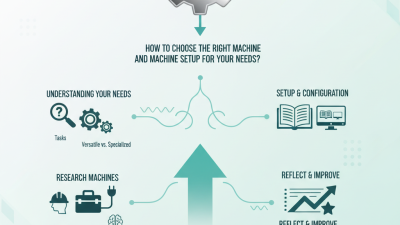
How to Choose the Right Machine and Machine Supplier?
Define Your Production Needs and Machine Requirements
Choosing a machine begins with your actual production floor, not a glossy specification sheet. Record your daily output, material types, product dimensions, and required tolerances. Include seasonal demand.
A small workshop may need 300 finished parts per day, while a larger line may require continuous operation. Measure available floor space, door widths, power capacity, ventilation, and lifting access. These details can prevent expensive installation problems. Your estimate may be wrong. Review it using twelve months of orders, if available.
Think about the operators who will use the machine. Complex controls may slow production when training time is limited. Ask whether routine adjustments can be completed safely and quickly. Check maintenance access, replacement-part availability, documentation quality, and service response times. A reliable supplier should explain limitations clearly, not promise perfect results.
Request a practical trial with your own material. Examine cycle time, surface quality, noise, waste, and changeover effort. Measure samples with calibrated tools. Record the results.
Do not choose capacity based only on today’s workload. Leave reasonable room for growth, but avoid paying for features you cannot use. I have seen production plans change after one new product order. Flexibility mattered more than maximum speed. Still, excessive flexibility can add unnecessary complexity. Compare the machine’s full operating cost, including energy, tooling, training, maintenance, and downtime risks. Supplier references from similar applications can strengthen your decision, but your own testing should carry more weight.
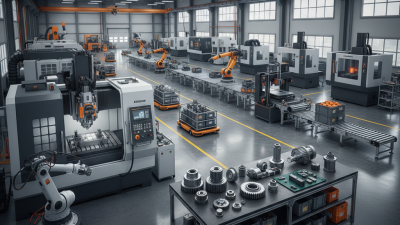
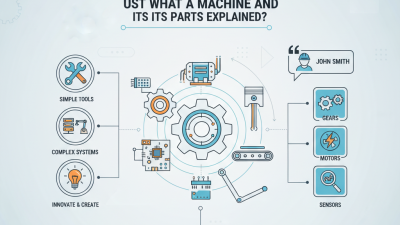
Choosing the right machine starts with matching the machine type to the actual production task. A CNC machine suits precise cutting, while a hydraulic machine handles heavy forming work. Automated models improve repeatability, but they often require more complex maintenance. Manual equipment costs less initially and can offer useful flexibility for low-volume production. That trade-off matters.
Compare features beyond the sales description. Check working dimensions, spindle speed, motor power, load capacity, positioning accuracy, and cycle time. Review the control system and ask whether operators can learn it quickly. Safety functions also deserve close attention, including emergency stops, guards, overload protection, and clear operating instructions. Small details can prevent expensive downtime.
Technical specifications should match measured requirements, not hopeful estimates. During machine evaluations, I record material thickness, daily workload, tolerance targets, and available floor space. Then I compare these figures with the manufacturer’s test conditions. A machine rated for 1,000 kilograms may perform differently under continuous use. Ask for service intervals, spare-part availability, installation needs, and documented accuracy tests. Verify everything.
I once focused too heavily on maximum speed and underestimated setup time. The machine looked powerful, yet it slowed production between batches. That mistake changed my checklist. Now, I also inspect noise levels, energy consumption, software updates, and operator access. A supplier should provide clear documentation, realistic delivery terms, training details, and responsive technical support. Vague answers are warning signs. Reliability is proven through evidence.
| Machine Type | Typical Applications | Key Features | Typical Working Range | Typical Accuracy | Main Selection Considerations | Suitable Supplier Capability |
|---|---|---|---|---|---|---|
| CNC Milling Machine | Prismatic metal parts, molds, fixtures, prototypes, and small production batches. | Rotating cutting tool, multi-axis interpolation, automatic tool changer, coolant system, and rigid worktable. | 3-axis to 5-axis; work envelopes commonly range from approximately 500 × 400 × 400 mm to more than 1,000 × 600 × 600 mm. | About ±0.005 to ±0.025 mm, depending on machine design, material, tooling, and process conditions. | Required number of axes, spindle speed and torque, table size, tool capacity, material hardness, and chip-removal performance. | Demonstrated machining samples, process engineering, fixture design, inspection equipment, and post-installation training. |
| CNC Turning Center | Round shafts, bushings, threaded components, flanges, and turned production parts. | Rotating workpiece, driven cutting tools on advanced models, automatic chucking, bar feeding, and tool monitoring options. | Typical turning diameters of approximately 200–600 mm and turning lengths of approximately 300–1,000 mm. | About ±0.005 to ±0.02 mm under suitable production and thermal conditions. | Maximum diameter and length, spindle bore, chuck size, bar capacity, threading capability, and cycle time. | Application testing with the customer’s material, cycle-time validation, tooling recommendations, and reliable service response. |
| Fiber Laser Cutting Machine | Sheet-metal cutting for carbon steel, stainless steel, aluminum, brass, and similar materials. | Non-contact cutting, high cutting speed, narrow kerf, CNC nesting, automatic height sensing, and low tool wear. | Common sheet sizes include approximately 1,500 × 3,000 mm or 2,000 × 4,000 mm; laser power often ranges from 1–12 kW. | Positioning accuracy commonly around ±0.03 to ±0.08 mm; actual cut quality depends strongly on material and thickness. | Required material thickness, laser power, bed size, cutting speed, gas consumption, fume extraction, and automation level. | Verified cutting tests, optics and laser-source maintenance support, safety compliance, software training, and spare-parts availability. |
| CNC Press Brake | Bending cabinets, brackets, enclosures, frames, and sheet-metal assemblies. | Hydraulic or electric drive, programmable back gauge, segmented tooling, angle measurement, and multi-axis control. | Bending lengths commonly range from 1,250–4,000 mm; pressing forces often range from 40–300 tons. | Bending-angle repeatability commonly around ±0.5° or better with suitable tooling and material control. | Material thickness, bend length, force requirement, tooling compatibility, minimum flange length, and production volume. | Bending simulation, tooling selection, sample-part verification, operator training, and accurate force calculations. |
| Injection Molding Machine | High-volume production of plastic housings, automotive components, medical parts, and consumer products. | Clamping unit, injection unit, mold temperature control, programmable pressure and speed profiles, and automated part removal. | Clamping forces commonly range from 50–2,000 tons; shot size must be matched to the part and mold. | Repeatability is often specified by process parameters and part tolerances rather than a single machine-position accuracy value. | Material type, shot weight, mold dimensions, clamping force, cycle time, injection pressure, and energy consumption. | Mold-flow support, parameter optimization, mold compatibility checks, preventive maintenance, and access to trained technicians. |
| Wire EDM Machine | Precision dies, punches, intricate profiles, hardened steels, and components with narrow slots. | Electrical-discharge cutting, automatic wire threading, programmable taper cutting, dielectric filtration, and fine-finish passes. | Typical workpiece sizes range from compact units to approximately 800 × 600 × 250 mm; cutting thickness depends on machine design. | Finish-pass accuracy can commonly reach approximately ±0.002 to ±0.01 mm under controlled conditions. | Required surface finish, taper angle, maximum workpiece size, cutting speed, wire consumption, and dielectric management. | Precision-part trials, technology databases, consumable support, filtration guidance, and calibration capability. |
| Evaluation Dimension | What to Verify | Recommended Evidence |
|---|---|---|
| Technical Fit | Whether the machine meets the required work envelope, materials, tolerances, productivity, and automation level. | Detailed specification sheet, sample-part trial, process simulation, and written performance commitments. |
| Build Quality | Machine rigidity, guideway design, thermal stability, electrical safety, component quality, and assembly standards. | Factory audit, inspection records, component documentation, calibration reports, and acceptance-test procedures. |
| Total Cost of Ownership | Purchase price plus installation, tooling, energy, consumables, maintenance, software, training, and downtime costs. | Five-year cost estimate, energy data, maintenance schedule, consumable list, and warranty terms. |
| Service and Response | Availability of remote support, field service, spare parts, preventive maintenance, and operator training. | Service-level agreement, response-time commitment, spare-parts policy, and references from comparable users. |
| Compliance and Safety | Electrical safety, guarding, emergency stops, risk assessment, documentation, and applicable local regulations. | Conformity documentation, safety inspection records, user manuals, wiring diagrams, and risk-assessment files. |
| Delivery and Acceptance | Manufacturing lead time, installation requirements, commissioning, training, and measurable acceptance criteria. | Milestone schedule, factory acceptance test, site acceptance test, packing plan, and signed delivery checklist. |
Choosing the right machine starts with evaluating the supplier behind it. Experience should appear in practical details, not polished promises. Ask how many similar machines they have installed and where. Request customer references from comparable industries. A reliable supplier can explain common failure points, maintenance intervals, and realistic production limits. I have learned that confident answers matter more than impressive brochures.
Quality needs evidence at the workshop level. Review material certificates, inspection records, and testing procedures before signing a contract. Check critical tolerances with calibrated tools. Observe how technicians document adjustments and handle rejected parts. A supplier should provide clear acceptance criteria, traceable components, and operating instructions. Small gaps here may become expensive downtime later. Perfection is rarely visible.
Service capability often determines the machine’s real value. Confirm installation support, operator training, spare-part availability, and remote troubleshooting hours. Ask for response times in writing. Test the supplier with a detailed technical question. Their reply reveals communication quality. Local service access can reduce delays, but it should not replace technical competence. I once underestimated training needs; the machine worked, yet operators used it inefficiently. That mistake changed how I assess support plans. Reliable suppliers welcome audits, discuss limitations openly, and adapt documentation to the customer’s actual workflow.
How to Choose the Right Machine and Machine Supplier?
Assessing a machine means looking beyond its purchase price. Include installation, energy use, tooling, training, maintenance, and expected downtime. Ask the supplier for a five-year cost estimate with clear assumptions. Then test those assumptions against your own production schedule. Small omissions can become expensive.
Safety deserves practical verification, not reassuring language. Check guarding, emergency stops, operator access, noise levels, and maintenance procedures. Request current conformity documents, risk assessments, test records, and plain-language operating manuals. Standards differ by region, so confirm requirements with a qualified local safety professional. Watch the machine running, if possible. A polished demonstration may hide awkward cleaning tasks or difficult access points.
Ownership risks often appear after the warranty ends. Confirm spare-parts availability, technical response times, software support, and repair responsibilities in writing. Ask what happens if a critical component becomes unavailable. Review warranty exclusions carefully, especially for wear parts and operator damage. Include training for new staff, not only the original team. No forecast is perfect. Our first estimate may still be wrong, particularly when production volumes change. A useful review should therefore include realistic downtime, backup procedures, and a contingency allowance. Record every promise in the contract, including delivery milestones, acceptance tests, and service performance.
Before approving a machine, verify the supplier as carefully as the machine itself. Request legal registration, factory address, production ownership, and three recent customer references. Check whether the quoted model is manufactured in-house or subcontracted. Ask for serial-number records, inspection plans, calibration certificates, and service response targets. A polished brochure proves little. An auditable trail matters more.
The ISO Survey 2022 recorded 1,265,216 ISO 9001 certificates worldwide. Certification offers useful evidence, not a performance guarantee.
Check the certificate scope, issuing body, expiry date, and actual production site. Review factory acceptance tests against cycle time, tolerances, energy use, noise, safety functions, and spare-parts availability.
Ask for raw test results, not selected screenshots. Independent inspection is worthwhile when downtime is expensive. Check the scope.
Before signing, compare five-year costs, including installation, training, tooling, maintenance, electricity, and repair-related downtime. The 2024 MHI Annual Industry Report found that 88% of supply-chain professionals expect technology and innovation investment to increase.
This pressure can encourage rushed purchasing. Slow down. Put every promise into the contract, including acceptance criteria, delivery milestones, warranty remedies, and remote-support limits.
A reference call may reveal delays that documents hide. I have seen teams overvalue a low initial price and underestimate commissioning time. That mistake is easy to repeat. Get it in writing.
Make the final decision only after scoring technical fit, supplier evidence, lifecycle cost, and assigned risk owners in one signed review.