How to Identify Different Knitting Machine Parts for Beginners?
Understanding knitting machine parts can be daunting for beginners. Renowned expert Sarah Mitchell once said, “Every part of a knitting machine plays a vital role.” This highlights the importance of familiarizing oneself with these components.
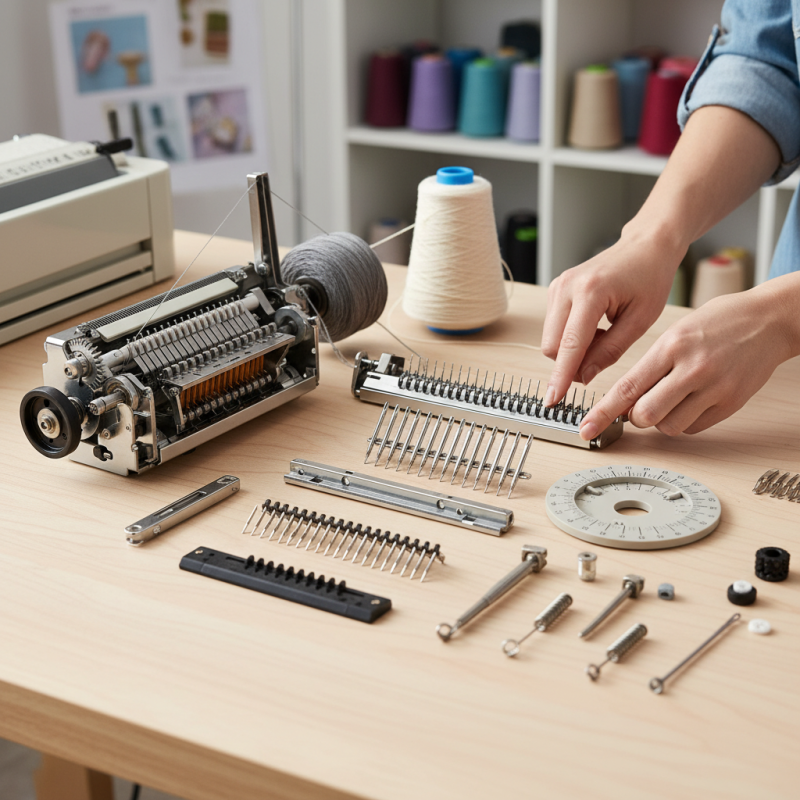
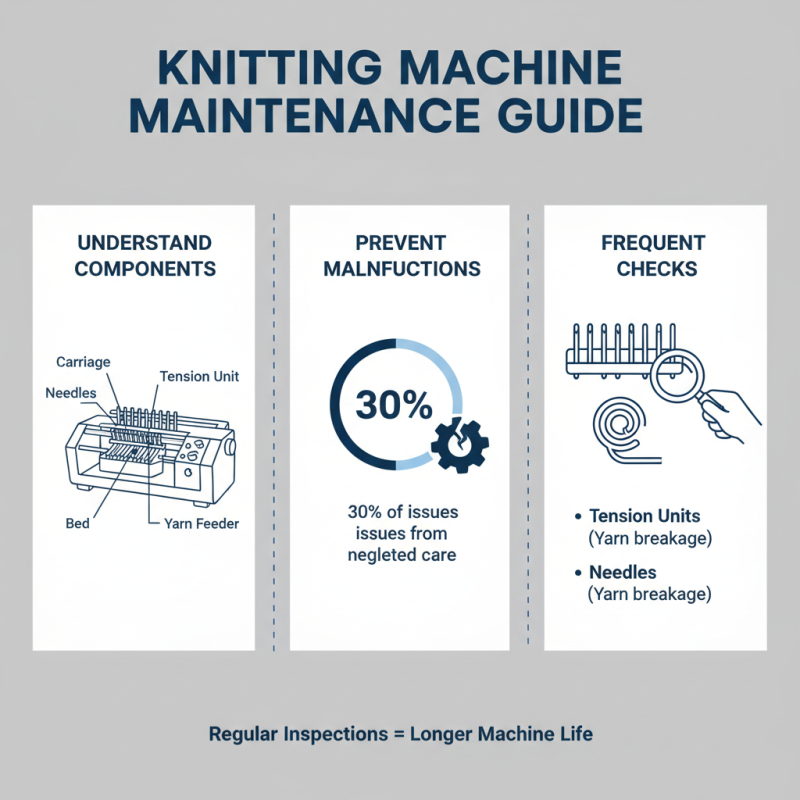
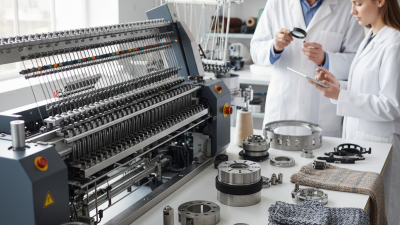
Each part, from the needles to the tension dial, is essential for successful knitting. The machine's carriage moves back and forth, while the yarn feeder controls the yarn's flow. Observing how these parts interact is crucial in mastering the craft.
Often, beginners feel overwhelmed by the complexity of these machines. Mistakes are common; identifying parts accurately can be challenging. However, with practice and patience, you can navigate the world of knitting machine parts. Embrace the learning process. Let's delve deeper into these components to enhance your knitting experience.
Understanding the Basic Structure of Knitting Machines
Understanding the basic structure of knitting machines is essential for beginners. These machines have several key components that define their functionality. The frame provides stability and support. It holds everything together, so choose one that fits your space.
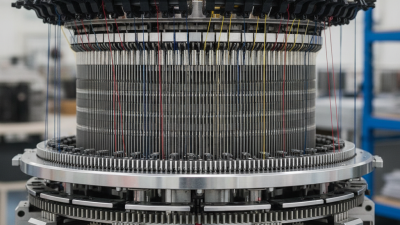
The needle bed is where the magic happens. Needles are mounted here, and their arrangement affects your project’s outcome. Pay attention to how they are positioned. A small error might lead to dropped stitches. The yarn feed mechanism offers another crucial detail. It allows the yarn to flow smoothly while you operate the machine. If it jams, frustration follows.
Lastly, the tension control is vital for achieving desired results. Too loose, and your fabric will be flimsy. Too tight, and it will pucker. Beginners may struggle with this balance. Regular practice is necessary. Knowing these parts helps demystify the knitting machine. It can be overwhelming, but understanding leads to greater confidence.
Identifying Key Components: Needles, Carriers, and Hooks
When you start using a knitting machine, understanding its key components is essential.
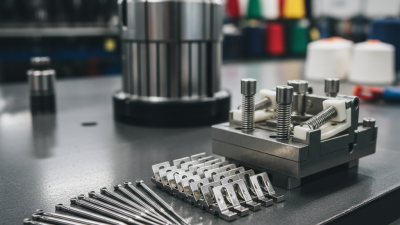
The needles are one of the most important parts. They come in various sizes and shapes,
each designed for different yarn types. Needles can be straight or have a special shape to create unique stitches.
If you’re unsure, examine the size marked on each needle.
Carriers are another critical component. They hold multiple yarn strands and guide them through the needles.
Different carriers are used for various knitting techniques. Look for carriers that are compatible with your machine’s design.
Oftentimes, you might mix up carriers, so label them neatly.
Hooks also play a role in your projects. They help in manipulating the yarn and creating different stitch types.
Understanding the hook design can lead to better results in your crafting. Experiment with different hooks
to find what suits you best.
Tips: Take time to study each part. Create a reference chart of components with their uses.
It might be useful to keep a notebook handy. Track any issues you face and how to resolve them.
This will speed up your learning curve.
Exploring the Functionality of the Control Panel and Settings
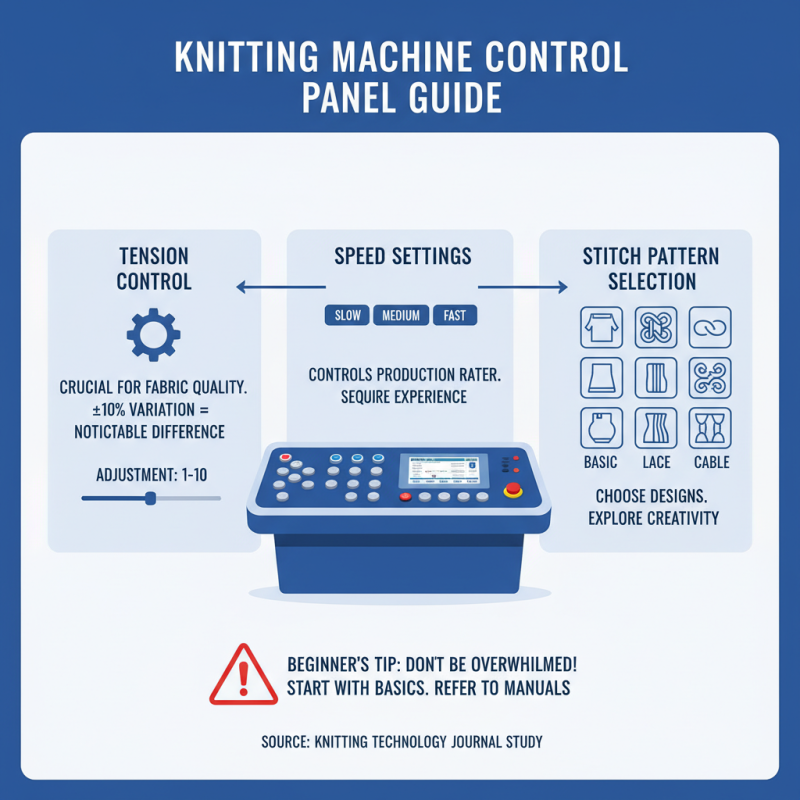
The control panel of a knitting machine plays a crucial role in its operation. It allows users to adjust settings such as tension, speed, and stitch patterns. According to a study by the Knitting Technology Journal, precise tension settings can significantly affect fabric quality. A mere 10% variation in tension can lead to noticeable differences in stitch appearance. Beginners often find navigating the panel overwhelming. Each button may seem mysterious, and their functions may not be intuitive.
One common challenge is understanding how to set the machine for different yarn types. Yarn thickness influences stitch formation. It's important to learn the settings required for fine versus bulky yarn. Making adjustments without proper knowledge can result in disappointing outcomes. The same study indicates that nearly 30% of beginners struggle with yarn selection and tension adjustments. Observing the machine's performance will help in gaining confidence. Each session provides feedback that shapes future choices.
Exploring the control panel’s features empowers beginners. The digital display may show speed and stitch counts. However, reading this data requires practice. Many new users find it tricky to interpret. As you experiment with different settings, expect errors along the way. The journey of learning includes setbacks. These obstacles provide valuable learning moments.
Recognizing the Yarn Feed and Tensioning Systems
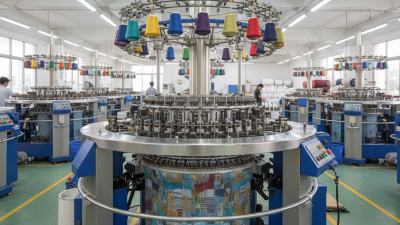
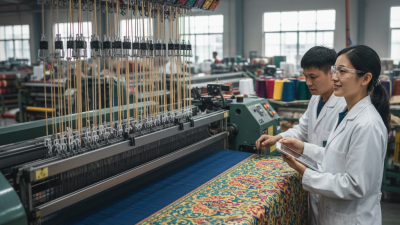
Understanding the yarn feed and tensioning systems is essential for beginners in knitting machine operation. The yarn feed is where the yarn enters the machine. It often involves guides and rollers that help manage the flow. If the feed is too tight, it can cause breakage. If it is too loose, the stitches may become uneven. Finding the right balance is crucial.
Tensioning systems play a critical role in achieving consistent stitches. They regulate how tightly the yarn is pulled as it feeds into the needles. A poorly adjusted tensioning system can lead to frustrating outcomes. Loose tension results in sloppy work. Too tight can lead to fabric distortion. Beginners should experiment with different settings to find what works best. Adjustments may require several tries before achieving the desired result.
When troubleshooting these systems, pay close attention to the sound of the machine. Unexpected noises can indicate issues with either the feed or tensioning systems. Don’t overlook the importance of regular maintenance too. Cleaning these parts can improve performance. Learning to identify and adjust these components may take time. Each attempt should bring you closer to mastering your machine's potential.
Yarn Feed and Tensioning Systems in Knitting Machines