What is a Knitting Machine and How Does It Work?
A knitting machine is a fascinating tool that transforms yarn into fabric. This device automates the knitting process, offering both speed and precision. Many crafters appreciate the efficiency of a knitting machine. It allows them to create intricate patterns quickly. However, mastering these machines can pose challenges.
Different types of knitting machines exist, catering to various skill levels. Some are simple, ideal for beginners. Others offer complex features, suitable for advanced users. Understanding how each part functions is crucial. For instance, the needles and yarn tension contribute significantly to the final product. Users often struggle with tension adjustments.
When using a knitting machine, creativity meets engineering. Yet, mistakes can occur. Misalignment or incorrect settings may lead to frustration. Each error provides a lesson, reminding knitters of the art behind the craft. Embracing the learning process enhances one’s skills. Knitting machines enhance productivity but require patience and practice.
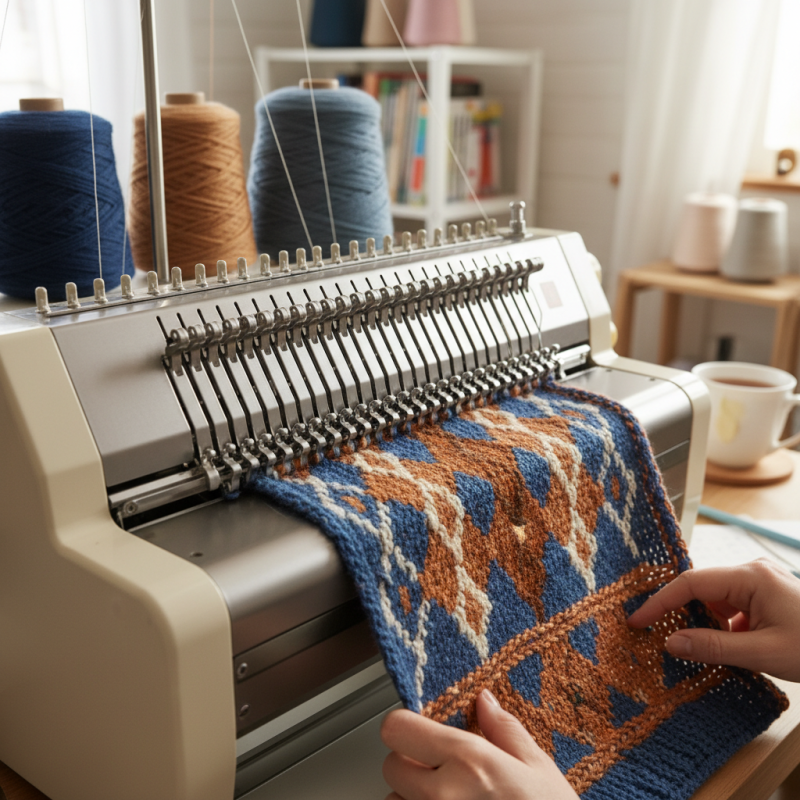
What is a Knitting Machine?
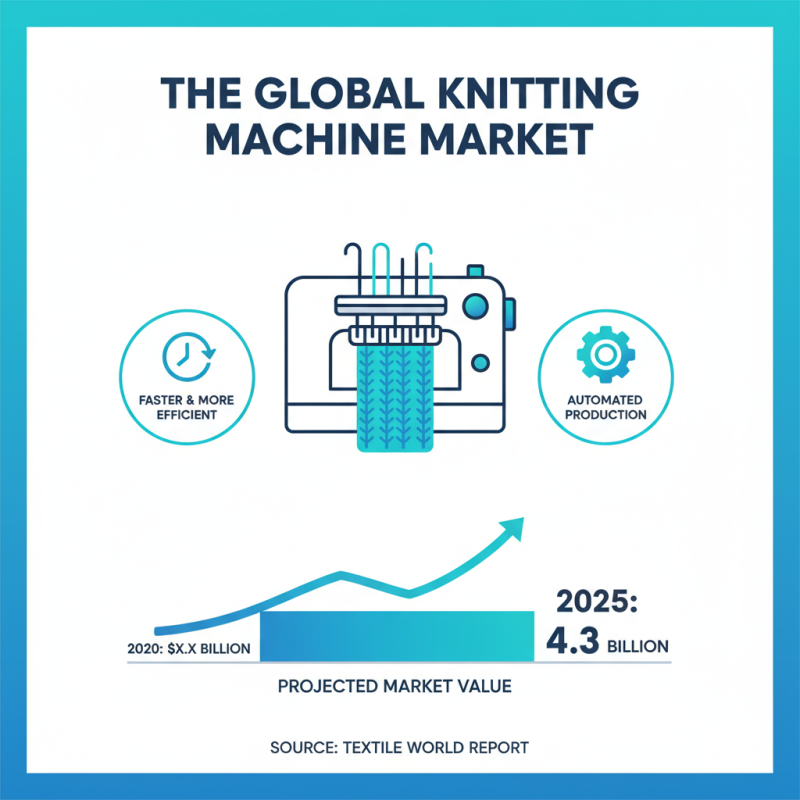
A knitting machine is a specialized tool designed for creating knitted fabrics. It automates the process, making it faster and more efficient than traditional hand knitting. According to a report by Textile World, the global market for knitting machines is projected to reach $4.3 billion by 2025, reflecting the growing demand for textile production.
These machines can produce a wide range of patterns and textures. Some models allow for intricate designs that are difficult to achieve by hand. However, the learning curve can be steep. Users often struggle with setup and maintenance. Errors in threading or tension can lead to frustrating results. A study by the Knitting Industry Association shows that 30% of knitters find machine operation challenging.
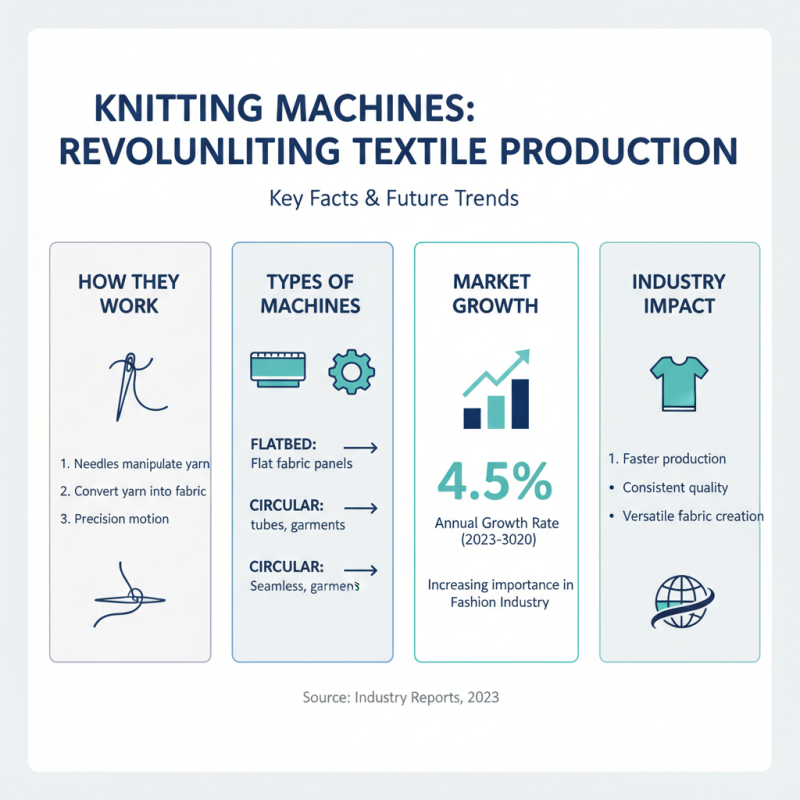
Different types of knitting machines serve various purposes. Flatbed machines are great for producing garments, while circular machines are ideal for seamless items. Yet, not all machines are created equal. Users must consider factors like speed, gauge, and ease of use. Complicated machinery can deter beginners, limiting their creativity. Ultimately, while knitting machines improve efficiency, mastering them requires patience and persistence.
History and Evolution of Knitting Machines
Knitting machines have a fascinating history. They date back to the late 16th century. Early machines were simple and labor-intensive. The first knitting machine, invented by William Lee in 1589, sparked innovation. It aimed to speed up production. This was crucial during the growing textile trade.
Fast forward to the 19th century, machines evolved significantly. The introduction of the Jacquard system allowed for complex patterns. The knitting machine's capabilities expanded greatly. According to industry reports, by the early 20th century, machine-made knitwear dominated the market. In fact, over 75% of knitted goods were produced using machines. This surge in production changed fashion forever.
Tips: Always check machine settings before starting a project. This can save time and yarn. Additionally, consider practicing on scrap yarn. It helps in understanding your machine's behavior.
Despite advancements, some challenges remain. Not every design translates well from hand-knitting to machine knitting. It requires skill and patience. Continuous learning is essential to master the craft. Experimenting with different techniques keeps the process enjoyable.
How Knitting Machines Operate: Key Mechanisms Explained
Knitting machines are fascinating tools that revolutionize textile production. They use a series of mechanisms to convert yarn into fabric with precision. At the heart of these machines are needles that manipulate yarn through intricate motions. The most common types are flatbed and circular machines, each serving different purposes. According to industry reports, the knitting machine market is expected to grow at a rate of 4.5% annually, reflecting their increasing importance in the fashion industry.
A significant mechanism in these machines is the sinker, which holds the stitches in place. This allows for intricate patterns and designs to emerge as the yarn is fed. The yarn tension is crucial. Too loose, and the fabric becomes flimsy; too tight, and you risk breaking strands. A delicate balance is required. Machines are often programmed for specific patterns, yet this can lead to challenges, such as misalignment during production runs. Continuous learning is necessary to optimize operations and troubleshoot issues effectively.
The software component is also essential, creating a seamless hand-eye coordination between the operator and the machine. Various industry reports highlight that robotic integration is becoming more common, enhancing productivity. However, the need for skilled operators remains. They are responsible for maintenance, which is critical for consistent output. As knitting technology evolves, the risk of obsolescence increases for those who do not adapt. Continuous training and understanding of these machines are vital for staying competitive.
Different Types of Knitting Machines and Their Uses
Knitting machines come in various types, each suited for different applications. The most common types include flatbed and circular knitting machines. Flatbed machines create wide pieces of fabric and are perfect for garments. They're versatile and can produce intricate patterns. However, they require skill to operate effectively. Beginners might find them challenging.
Circular knitting machines are designed for seamless tube-based items. They are ideal for socks and sweaters. These machines work quickly and can produce large quantities in a short time. Yet, achieving consistency in tension can be tricky. Operators often need to adjust settings frequently.
Another option is computer-controlled knitting machines. They automate patterns and designs, allowing intricate work. However, they can be expensive and complex. Users must learn to navigate software, which might be a barrier for some. Ultimately, choosing the right machine depends on the projects you want to create and your level of expertise. Each machine offers unique benefits but also requires a commitment to learning and perfection.
Knitting Machine Comparison: Types and Production Speeds
Benefits of Using a Knitting Machine for Production
Knitting machines are transforming production in the textile industry. These machines can increase productivity by up to 300%, according to industry reports. They offer precision that hand knitting often cannot match. With the right setup, manufacturers can produce intricate patterns and designs quickly. This efficiency reduces labor costs as well.
Many businesses are opting for knitting machines due to lower expenses over time. Automated machines can run around the clock, resulting in more output with less manual effort. Some data suggests that machine-made knitwear is 30% more cost-effective than hand-knitted items. However, reliance on machines can lead to uniformity, stifling creativity.
Tips: Regular maintenance is crucial for optimal function. Ensure you clean and oil the machine frequently. Experiment with designs but remember to allow room for innovation. Relying solely on machines may hinder unique creations. Balancing automation with artistry can lead to a richer product offering.
What is a Knitting Machine and How Does It Work? - Benefits of Using a Knitting Machine for Production
| Feature |
Description |
Benefits |
| Speed |
Knitting machines can produce fabric much faster than hand knitting. |
Increased production efficiency and reduced time to market. |
| Consistency |
Produces identical stitches and patterns without variation. |
Ensures high quality and uniformity in products. |
| Versatility |
Can knit a variety of fabrics and patterns, including different yarn thicknesses. |
Flexibility to create diverse products for various markets. |
| Labor Efficiency |
Reduces the amount of manual labor needed for production. |
Lower labor costs and easier management of production workflow. |
| Customization |
Many machines allow for customized settings and programming. |
Ability to quickly adapt to specific client needs and designs. |