Top 10 Tips for Buying Cheap Knitting Machines That Save You Money
When it comes to knitting, having the right tools can make all the difference in the world. In recent years, cheap knitting machines have emerged as a popular option for both seasoned knitters and beginners alike, offering a more economical way to produce beautiful knitted items without sacrificing quality. With the right machine, knitters can save both time and money while exploring their creative passions. However, with so many options available on the market, it can be overwhelming to find the perfect knitting machine that meets your needs and fits your budget.
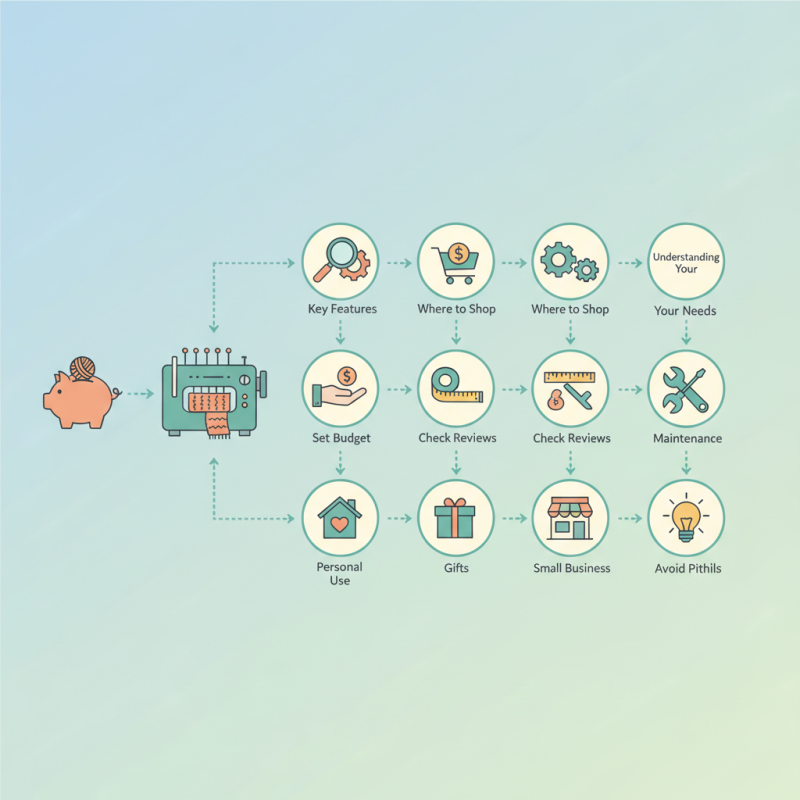
This guide aims to provide you with essential tips for purchasing cheap knitting machines that will not only save you money but also enhance your knitting experience. From understanding key features to knowing where to shop, each tip is designed to help you make informed decisions and avoid common pitfalls. Whether you’re looking to knit for personal enjoyment, gifts, or even starting a small business, these insights will assist you in finding a quality machine that doesn’t break the bank. Join us as we explore how to make the most out of your knitting journey without overspending.
Understanding Different Types of Knitting Machines for Budget Shopping
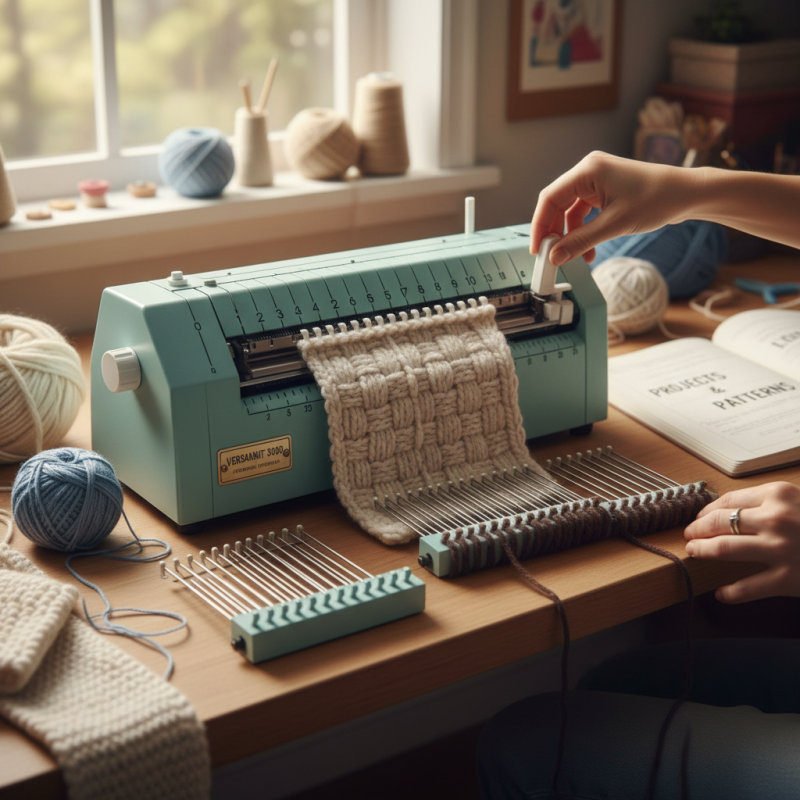
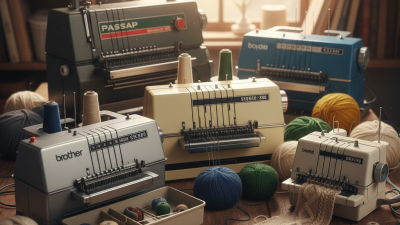
When considering budget-friendly knitting machines, it is essential to understand the different types available in the market. The primary options include manual, electronic, and circular knitting machines.
Manual knitting machines typically offer affordability without sacrificing versatility. They require the user to operate them by hand, which can be a rewarding experience for those who enjoy the hands-on aspect of knitting. These machines are perfect for hobbyists and beginners looking to explore their creativity without a significant investment.
On the other hand, electronic knitting machines come with advanced features that can facilitate more complex projects. While they may be pricier, they often save time and effort, making them a worthwhile consideration for individuals planning to undertake larger knitting tasks.
Lastly, circular knitting machines are ideal for creating tubular items such as socks and hats. Their specialized design allows for quick production of round pieces, making them an efficient choice for knitters focused on specific projects.
Understanding these various types will aid you in making an informed decision and ultimately lead to smarter budgeting in your knitting pursuits.
Key Features to Look for in Affordable Knitting Machines
When searching for an affordable knitting machine, several key features can significantly enhance your experience while ensuring you stick to your budget. Firstly, consider the machine's gauge, which determines the thickness of the yarn it can handle. The most commonly preferred gauges are standard and chunky, as they provide versatility for various knitting projects. According to industry reports, machines with interchangeable needles can save you money in the long run by allowing you to adapt your projects without needing to invest in multiple machines.
Another crucial feature is the type of knit created by the machine. Look for machines that offer a variety of stitch options and patterns. Recent trends indicate that multifunctional machines that accommodate both basic and complex stitches can increase creativity without incurring additional costs for software or patterns. Furthermore, ease of use is essential, especially for beginners. A machine with an intuitive interface and automatic functions reduces the learning curve, allowing users to focus on their craft rather than struggle with complicated settings. With these features in mind, you can find a cost-effective knitting machine that meets your creative needs without breaking the bank.
Where to Find the Best Deals on Knitting Machines Online
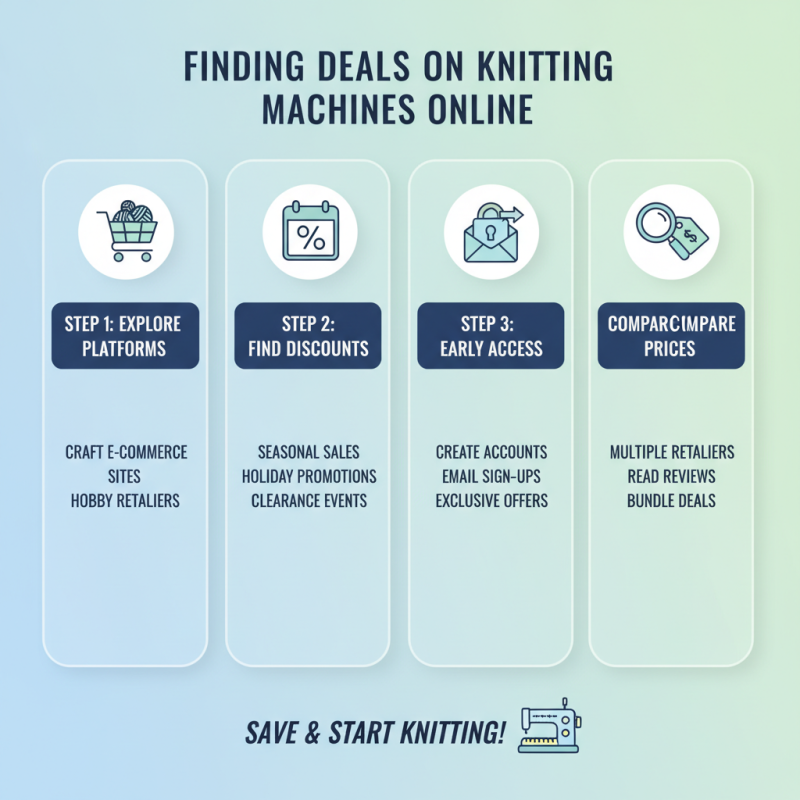
When searching for the best deals on knitting machines online, the first step is to explore reputable e-commerce platforms that specialize in crafting supplies. Websites that cater to hobbies and crafts often have a variety of knitting machines at different price points. Look for seasonal sales, clearances, or special promotions, as many retailers offer discounts at specific times of the year, such as during holidays or back-to-school events. Creating an account on these platforms can also provide early access to sales and exclusive offers.
Another effective strategy is to join online crafting communities and forums. Engaging with fellow knitting enthusiasts can uncover tips on where to find the best deals and even second-hand machines. Many platforms have sections dedicated to buying and selling used equipment, often at significantly lower prices than new models. Additionally, social media groups focused on knitting can provide insights into special sales or local sellers. By leveraging these resources, you can find affordable knitting machines that fit your budget while connecting with a network of like-minded crafters.
Tips for Evaluating Used Knitting Machines to Maximize Savings
When considering the purchase of a used knitting machine, thorough evaluation is essential to ensuring you get the best value for your money. Start by inspecting the machine carefully for any signs of wear and tear. Look for rust, frayed cables, or bent parts, as these can indicate deeper issues that could lead to costly repairs down the line. Don’t hesitate to ask the seller about the machine’s history, including how frequently it was used and any previous maintenance performed. A well-maintained machine can offer you a much better experience than one that has been neglected.
Next, consider testing the knitting machine in person, if possible. Bring along some yarn and a few basic patterns to evaluate its functionality. Pay attention to how smoothly the needles operate and whether the tension is consistent. This hands-on approach not only allows you to check for operational efficiency but also helps you gauge how comfortable you feel with the machine. Lastly, ensure that any necessary accessories or parts are included in the sale. These can be surprisingly costly if purchased separately, so securing these items can make your investment in a used machine even more economical. By taking these steps, you can maximize your savings and ensure a satisfying knitting experience.
Average Prices of Used Knitting Machines by Type
Maintaining Your Knitting Machine to Extend Its Lifespan and Value
Maintaining your knitting machine is crucial for ensuring its longevity and maximizing the value you get from your investment. Regular cleaning is the first step in this process. Dust and lint can accumulate in the machine, potentially causing issues with performance. By using a soft brush or a vacuum attachment designed for delicate surfaces, you can carefully remove debris, keeping the internal mechanics free of obstructions. Additionally, lubricating moving parts as per the manufacturer's guidelines helps prevent wear and enhances smooth operation.
Another important aspect of maintenance is checking the tension settings and making adjustments when necessary. Inconsistent tension can lead to uneven stitches and overall dissatisfaction with the finished product. It's also advisable to periodically inspect the machine for any signs of wear or damage, such as frayed cables or loose components. Addressing these issues promptly can avoid more significant problems down the line. Lastly, storing your knitting machine in a dry, dust-free environment will help protect it from external factors that could compromise its functionality. By following these maintenance tips, you can significantly extend the lifespan of your knitting machine, ensuring it serves you well for many projects to come.
Top 10 Tips for Buying Cheap Knitting Machines That Save You Money - Maintaining Your Knitting Machine to Extend Its Lifespan and Value
| Tip No. |
Tip Description |
Maintenance Advice |
Estimated Cost Savings |
| 1 |
Research Different Models |
Keep user manuals for reference |
$50 |
| 2 |
Buy Used Machines |
Clean and oil regularly |
$100 |
| 3 |
Look for Discounts |
Store in a cool, dry place |
$30 |
| 4 |
Check for Warranty Options |
Regularly check tension settings |
$20 |
| 5 |
Compare Prices Online |
Inspect for damages before purchase |
$40 |
| 6 |
Understand the Features |
Test functionality before use |
$45 |
| 7 |
Join Knitting Communities |
Ask for maintenance tips |
$15 |
| 8 |
Inquire About Return Policies |
Maintain a lint-free area |
$25 |
| 9 |
Try Before You Buy |
Check threading regularly |
$35 |
| 10 |
Choose User-Friendly Machines |
Keep needles clean and sharp |
$55 |