Choosing the right weaving machines is crucial for any textile business. According to industry expert Dr. Emily Chen, "The quality of your weaving machines directly impacts your production efficiency and product quality." This highlights the importance of making an informed choice in equipment selection.
Weaving machines come in various types and styles. Each type serves a different purpose in the weaving process. Understanding these differences is essential for selecting appropriate machines for your needs. Personal experiences often illustrate that a misjudged choice can lead to unnecessary costs and wasted time.
Consider the features that matter most. Think about speed, versatility, and ease of use. Many users find that investing time in research pays off in the long run. Reflections on past purchases can reveal contradictions between expectations and reality. Choosing wisely can set the foundation for a successful weaving operation.
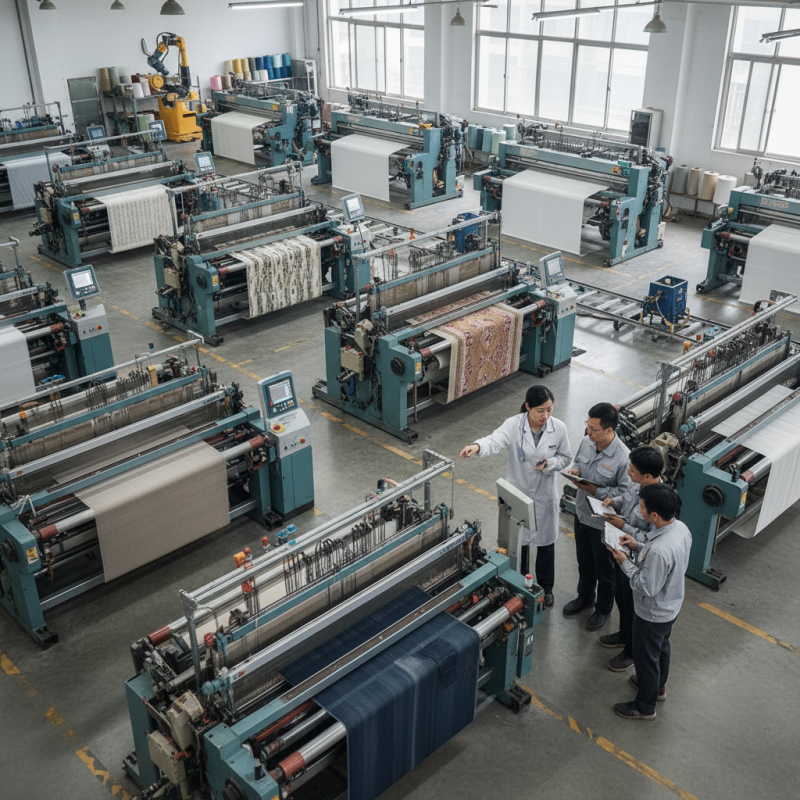
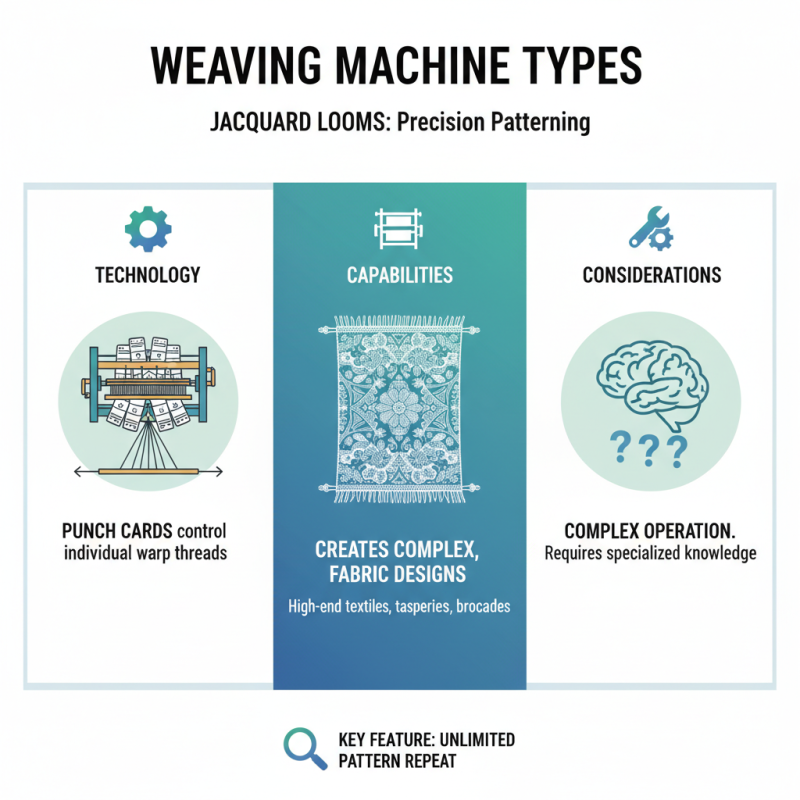
When exploring weaving machines, understanding different types is crucial. Jacquard machines are known for their ability to create intricate patterns. They use a series of punch cards to control the lifting of individual threads. This technology allows for exquisite designs, perfect for high-end textiles. However, these machines can be complex and may require specialized knowledge to operate effectively.
Looms are the backbone of weaving. There are several types, including hand looms and automatic looms. Hand looms are versatile but can be time-consuming. They are great for artisans who cherish the manual process. In contrast, automatic looms improve efficiency and can handle larger volumes. Yet, the learning curve for these machines can be steep, and they may not deliver the same unique touch as hand looms.
When choosing a machine, consider your intended use. It’s important to weigh the benefits against the potential downsides. For instance, a Jacquard machine may offer creative possibilities, but its maintenance could be demanding. Assess your skills and resources carefully before making a decision. Balancing creativity with practicality is key to successful weaving.
Choosing the right weaving machine involves several critical specifications. Speed is a major factor that can significantly affect your productivity. A machine with high speed can increase your output, but it may require more careful handling. Too much speed could lead to thread breakage, impacting the final product’s quality. Balancing speed with precision is key.
Width is another essential specification. It determines the maximum fabric width you can create. If you primarily work on small projects, a narrower machine might suffice. However, larger projects need broader machines. A common oversight is not considering future needs. You may invest in a compact model, only to find it limiting as your projects grow.
Thread count should not be overlooked either. Machines that can handle a variety of thread counts offer versatility. Higher thread counts can create more intricate designs but may require adjustments in weaving techniques. Be mindful of how different materials react with specific thread counts. It's a learning curve that requires patience and sometimes, a few mistakes along the way.
When selecting a weaving machine, brand reputation plays a critical role. Established brands often have a track record of reliability and innovation. A strong market presence can indicate trustworthiness and customer satisfaction. Look for manufacturers that have been in the industry for several years. Their longevity can suggest stability and experience.
Consumer reviews provide valuable insights into a brand's performance. Positive feedback from users reflects quality and reliability. However, it's essential to examine both good and bad reviews. Some customers may overlook crucial issues, which can affect your decision. Assessing feedback helps in identifying common problems and advantages linked to specific brands.
Trade shows and industry events can also highlight leading brands in weaving technology. Direct interactions with representatives can clarify information that is otherwise hard to find. Pay attention to how brands present their technologies. Companies that focus on innovation typically showcase their advancements effectively. Remember, the best choice often aligns with your specific needs and production goals.
| Tip No. | Feature | Importance Level | User Rating |
|---|---|---|---|
| 1 | Durability | High | 4.8/5 |
| 2 | Speed | Medium | 4.5/5 |
| 3 | Ease of Use | High | 4.7/5 |
| 4 | Maintenance Requirements | Medium | 4.3/5 |
| 5 | Technology Integration | High | 4.6/5 |
| 6 | Safety Features | High | 4.9/5 |
| 7 | Energy Efficiency | Medium | 4.4/5 |
| 8 | Cost | Medium | 4.2/5 |
| 9 | Brand Reputation | High | 4.85/5 |
| 10 | Customer Support | High | 4.5/5 |
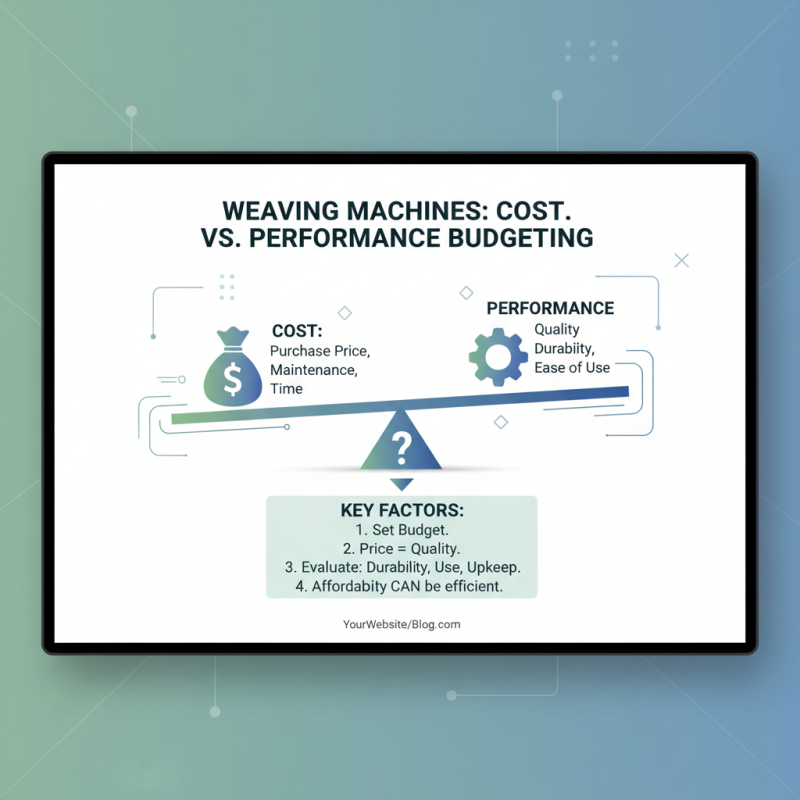
When analyzing cost versus performance for weaving machines, it's crucial to set a realistic budget. A high price often implies better quality, but this isn't always true. Many affordable machines provide excellent performance. Factors like durability, ease of use, and maintenance costs should be considered. An expensive machine might save time but could lead to unnecessary spending.
Prioritize essential features based on your specific needs. Assess the types of projects you plan to work on. If you focus on intricate designs, investing in a multifaceted machine may be worthwhile. However, for simpler textiles, lower-cost options may suffice. It’s also good to acknowledge that sometimes, cheaper machines have limitations that could affect the final product.
Do not overlook the importance of user reviews and expert opinions. Engage with experienced weavers in communities or forums. They can share insights about machines that perform well over time. Reflecting on past experiences can help buyers avoid common pitfalls. Making informed choices often leads to greater satisfaction in the long run.
Maintaining your weaving machine is crucial for its longevity. Regular maintenance minimizes wear and tear. Check oil levels, clean lint, and ensure proper threading. Over time, neglecting these tasks can lead to costly repairs. Remember, a well-maintained machine produces better quality fabric.
When selecting a weaving machine, consider its maintenance requirements. Look for models with easy access to components. Machines with straightforward manuals can save time during repairs. Moreover, some machines offer self-diagnostic features, alerting users to potential issues early on. These features can be invaluable in busy textile production settings.
Take time to establish a maintenance routine. Schedule weekly cleaning sessions and lubricate key parts regularly. Inspect the machine for loose screws or damaged parts. Document any repairs or replacements to build a maintenance history. A proactive approach will lead to improved performance and reduce unexpected downtime.
This bar chart represents the importance level of various maintenance tasks for ensuring the longevity of weaving machines. Each task is rated on a scale from 1 to 10, highlighting their significance in maintaining operational efficiency.