Top 10 Circular Rib Knitting Machines for Global Buyers

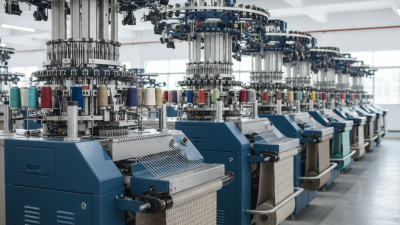
Choosing among the top 10 circular rib knitting machine suppliers requires more than comparing prices. Buyers must examine gauge options, cylinder diameter, feeder stability, production speed, and after-sales support. A machine running beside a noisy dyeing line still needs consistent loops, clean rib transfer, and simple access for maintenance.

The International Textile Machinery Federation reported about 26,000 large circular knitting machines shipped worldwide in 2023. Shipments declined from the previous year, showing a cautious investment climate. Textile Exchange’s Materials Market Report 2024 recorded global fiber production at approximately 124 million tonnes in 2023. That figure may reach 160 million tonnes by 2030. However, fiber growth is not a perfect proxy for machine demand. Buyers should remember this limitation.

Benjamin Mayer, a managing director at Mayer & Cie., has stated, “A knitting machine is only as good as the fabric it produces.” The point sounds simple. It is also easy to overlook. A technically advanced circular rib knitting machine can still underperform when operators lack training or spare parts arrive slowly. This guide compares leading models through a practical purchasing lens. It considers output consistency, energy use, fabric flexibility, service networks, and real factory conditions. Data from ITMF, Textile Exchange, and manufacturer documentation supports the evaluation. Some specifications remain difficult to compare directly. That is where careful testing matters. Request fabric samples, inspect stitch uniformity, and calculate total ownership costs before signing an order.
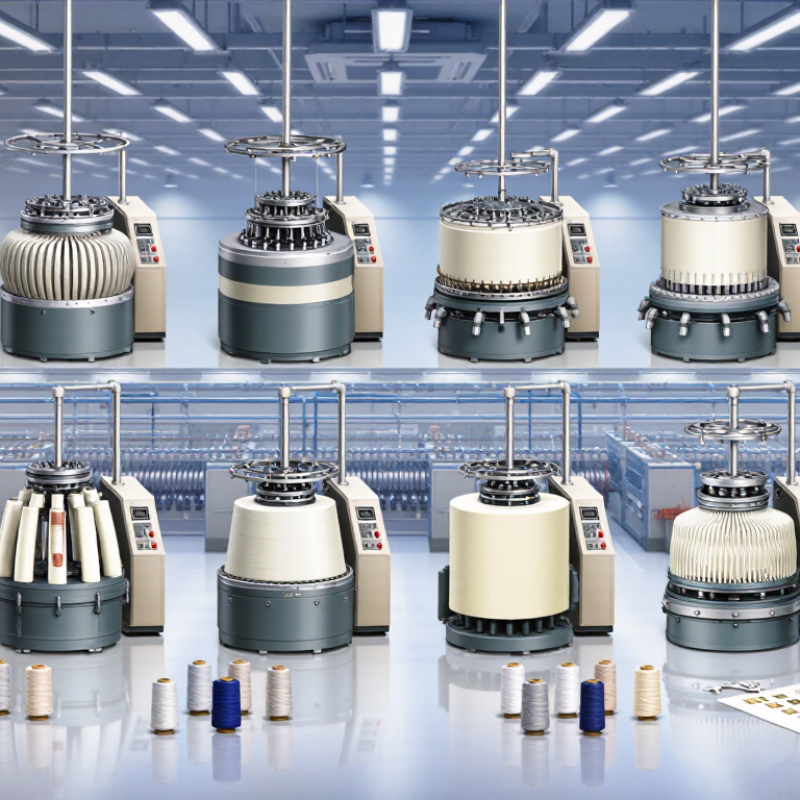
Top 10 Circular Rib Knitting Machines for Global Buyers

What Circular Rib Knitting Machines Are and How They Work

Top 10 Circular Rib Knitting Machines for Global Buyers

What Circular Rib Knitting Machines Are and How They Work

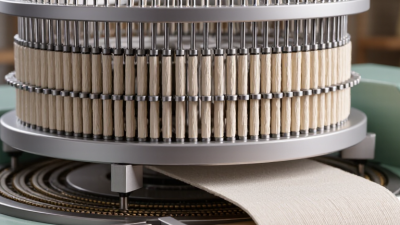
A circular rib knitting machine forms fabric in a continuous tube. Needles sit inside a rotating cylinder, while a second needle bed, called the dial, works above it. Together, they create alternating knit and purl columns. This structure gives rib fabric its familiar stretch and recovery. Common settings include 1x1, 2x2, and 3x1 rib patterns.

During operation, cams guide each needle through a precise path. Yarn feeders deliver yarn at controlled tension, while take-down rollers pull the fabric downward. Operators adjust gauge, stitch length, cylinder diameter, and yarn tension. Small errors can create vertical lines, loose edges, or uneven fabric weight. The machine may look automatic, but skilled monitoring still matters.

Demand for efficient knitting remains connected to wider textile growth. Textile Exchange reported 124 million tonnes of global fiber production in 2023, with production potentially reaching 160 million tonnes by 2030. Its Materials Market Report 2024 also highlights pressure to reduce material waste and improve fiber efficiency. ITMF’s 2024 industry survey showed cautious investment conditions across textile manufacturing.

For buyers, this means evaluating output stability, energy use, maintenance access, and operator training—not only maximum speed. A fast machine is not always the best machine. Testing the buyer’s actual yarn is essential, although many purchasing plans overlook this step.

Key Specifications for Comparing the Top 10 Machines

When comparing the top 10 circular rib knitting machines, start with measurable specifications, not promotional speed claims. Cylinder diameter affects fabric width, while gauge controls stitch fineness and yarn suitability. A 30-inch, 18-gauge model may fit broad rib fabrics, but it cannot replace a finer 24-gauge machine. Record each machine’s needle count, feeder count, and usable knitting width. These figures show whether advertised output suits your orders. They also expose a common mistake: comparing machines with different gauges.

Speed needs practical testing. Ask for production data at your target stitch length, yarn count, and fabric structure. A machine running at 30 revolutions per minute may slow sharply with elastic yarn or dense rib settings. Compare cylinder and dial control, stitch adjustment range, take-down stability, and fabric inspection access. Electronic controls can improve repeatability, yet complicated interfaces may increase training time. During trials, inspect edge formation, loop consistency, and heat around moving parts. I have found that a clean sample can hide unstable tension after several hours.

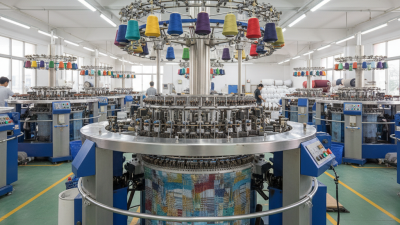
Energy use, compressed-air demand, noise, and maintenance intervals affect total ownership cost. Check lubrication points, spare-part availability, safety guarding, electrical compatibility, and documented service response. Reliable suppliers should provide test reports, installation guidance, and operator training. Ask for references from mills producing similar fabrics. That evidence is stronger than a polished brochure. Yarn behavior changes between lots. Laboratory results rarely mirror a busy factory floor. A short on-site trial can reveal overlooked vibration, cleaning, or tension problems.

Top 10 Circular Rib Knitting Machines by Performance and Use

Choosing among the top 10 circular rib knitting machines requires more than reading speed claims. In factory trials, stitch consistency, fabric recovery, and downtime reveal practical performance. A machine with 24 feeds may outperform a faster model when setup changes are frequent. Gauge, cylinder diameter, and needle quality also shape usable output. Keep that in mind.

Machine 1 suits high-volume basic rib fabric.
Machine 2 favors fine gauges for lightweight underwear.
Machine 3 handles medium-gauge cotton blends with stable tension.
Machine 4 is useful for elastic cuffs and waistbands.
Machine 5 supports wider tubular fabrics for sportswear.
Machine 6 targets textured ribs and frequent pattern changes.
Machine 7 offers balanced energy use for small factories.
Machine 8 fits sampling rooms because adjustments are accessible.
Machine 9 serves durable workwear rib structures.
Machine 10 supports automated, continuous production.

Performance should be checked against actual use, not brochure numbers. Record kilograms per hour, defect rates, oil consumption, noise, and changeover minutes. Ask operators to inspect edge curling after washing. That detail is easy to miss. My own ranking would change with yarn count and labor skill. A technically advanced machine can disappoint when maintenance training is weak. Buyers should request fabric samples, service documentation, spare-part guidance, and a transparent warranty. Leave room for testing; the best fit is rarely universal.

Global Buyer Guide: Applications, Standards, and Supplier Evaluation

For global buyers, circular rib knitting machines should match the fabric, not just the advertised output. Rib structures support cuffs, collars, waistbands, underwear, sportswear, and lightweight medical textiles. Confirm cylinder diameter, needle gauge, feeder count, and compatible yarn types before requesting quotations. A 30-inch machine may suit broad fabric, while a smaller diameter can improve narrow tubular production. Start with samples.

Standards deserve practical attention. Ask for electrical safety files, electromagnetic compatibility information, risk assessments, and conformity documents required in the destination market. ISO 9001 certification can indicate controlled processes, but it does not guarantee machine performance. Request factory acceptance testing with your yarn and target fabric. Check stitch uniformity, needle movement, tension stability, noise, and oil control after continuous operation. Test the real material.

Supplier evaluation needs evidence. Review installation records, spare-parts availability, operator training, software support, and response times across time zones. Ask for references from factories producing similar rib fabrics. Examine the contract carefully, including delivery terms, warranty limits, commissioning duties, and performance criteria. A low initial price can hide expensive downtime. I have seen buyers focus too heavily on speed and overlook maintenance access. That choice often becomes costly. Leave room for doubt. A supplier may provide excellent samples, yet struggle with production consistency. Require measurable acceptance data, clear service contacts, and a realistic maintenance schedule before payment milestones.

Pricing, Maintenance, and Selection Factors for Different Markets

Top 10 Circular Rib Knitting Machines for Global Buyers

Pricing, maintenance, and market conditions should guide any top-ten machine list. ITMF’s 2023 International Textile Machinery Shipment Statistics reported a sharp decline in circular knitting machine shipments. This suggests cautious investment across several textile regions.

Used machines may cost USD 15,000–60,000. New high-specification systems can exceed USD 150,000.

Final pricing depends on diameter, gauge, feeders, automation, and local installation.

Maintenance costs often decide the real ranking. A rib machine needs regular needle-bed cleaning, oil inspection, cam adjustment, and sensor testing. In humid factories, corrosion control becomes important. In dusty environments, air filtration and daily cleaning reduce stoppages.

Energy use also matters. The U.S. Department of Energy identifies motors and compressed-air systems as major industrial energy users. Buyers should request measured consumption, not marketing estimates.

I would not treat a low purchase price as a clear advantage.

Tips: Compare five-year ownership costs, including spare parts, technician travel, training, and downtime. Ask for local service response times. Confirm voltage, language support, and operator skill requirements.

For markets with limited technical labor, choose simpler controls and widely available components. For premium sportswear production, finer gauges and stable tension control may justify higher costs. However, these features can increase calibration demands. That trade-off is easy to underestimate. The best machine on paper may perform poorly in an unprepared factory.

Sources: ITMF International Textile Machinery Shipment Statistics 2023; U.S. Department of Energy, Industrial Energy Efficiency resources.

Close
Go top
Translate »