China Top Frame Knitting Machine Manufacturers and Suppliers?

China has become an important source for frame knitting machine manufacturers and suppliers. Its factories serve garment, footwear, medical textile, and technical fabric producers worldwide. Yet choosing a supplier requires more than comparing online prices. A machine may look impressive in photographs. Its real value appears beside the production line.

As textile machinery consultant Dr. Gerd Winterling states, “Machine quality is proven on the factory floor, not in the brochure.” This view reflects a practical truth. Buyers should inspect gauge options, working width, knitting speed, control systems, and energy consumption. They should also ask about sample production, installation, operator training, and spare-part availability. These details often decide whether a machine performs smoothly or creates costly delays.

Reliable Chinese suppliers usually provide technical drawings, testing records, and clear warranty terms. Strong manufacturers also explain which yarns and fabrics their equipment handles best. A serious factory should welcome questions about maintenance schedules and failure response. That matters greatly for overseas buyers.

Still, no supplier is perfect. Some websites present broad claims without factory evidence. Some buyers focus too heavily on the initial quotation. That can be a mistake. A cheaper frame knitting machine may require more adjustments, longer service waits, or frequent replacement parts. This guide examines leading Chinese manufacturers and suppliers through practical criteria. It considers experience, engineering capability, product consistency, communication, and after-sales support. The goal is not to promote one company blindly. It is to help buyers choose equipment that fits their fabric, workforce, budget, and long-term production plans.
China Top Frame Knitting Machine Manufacturers and Suppliers?

What Is a Frame Knitting Machine?

What Is a Frame Knitting Machine?

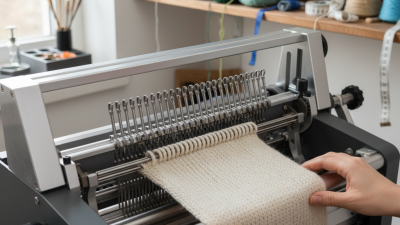
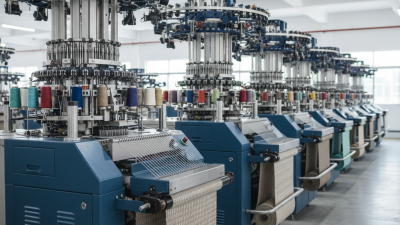
A frame knitting machine is a textile machine that creates fabric from yarn. It uses a fixed needle bed, or frame, to control many needles at once. A carriage moves across the bed and guides the yarn through selected needles. Each needle forms loops, while connected loops build rows of knitted fabric. This mechanism produces more consistent results than hand knitting. Operators can adjust the machine’s gauge, width, stitch pattern, and knitting speed. Gauge means the number of needles within a specific measurement. Fine gauges create lighter fabrics, while coarse gauges produce thicker structures. Small changes matter.

The machine may produce flat panels, shaped sections, trims, or complete knitted components. Common materials include wool, cotton, acrylic, and blended yarns. In practical production, yarn tension needs regular checking. Uneven tension can cause loose stitches, stripes, or fabric distortion. A clean needle bed also helps prevent skipped loops.

The process is precise, but it is not completely automatic. Operators still inspect samples and correct settings. When comparing a machine from a manufacturer or supplier, buyers should examine needle quality, working width, control functions, spare parts, and maintenance support. A larger output is not always better. An unsuitable gauge can waste yarn, time, and energy. Testing the intended yarn before purchase remains a sensible step.

Key Features and Applications of Frame Knitting Machines

Frame knitting machines are valued for stable fabric formation, accurate gauge control, and repeatable production. In practical workshops, operators check needle alignment before adjusting yarn tension. A small tension error can create visible stripes or loose edges. Modern machines may include electronic pattern control, automatic lubrication, and breakage sensors. These features reduce waste, but they still require trained supervision.

Manufacturers and suppliers in China commonly provide machines for sweaters, collars, cuffs, scarves, blankets, and technical textile components. The suitable model depends on gauge, working width, yarn type, and expected output. Fine gauges support lightweight garments, while coarse gauges handle thicker yarns and heavier structures. Buyers should request test samples, service details, spare-part availability, and clear installation guidance. Paper specifications alone are not enough.

In my experience, consistent results depend on both machine design and operator discipline. Daily cleaning helps prevent lint from affecting moving parts. Tension settings should be recorded for repeat orders. No machine is perfect. A sensor may stop production unnecessarily, or a pattern file may need manual correction. That inconvenience deserves attention during supplier evaluation. Reliable suppliers should explain these limitations openly and provide practical training, not only attractive production figures.

China Top Frame Knitting Machine Manufacturers and Suppliers? - Key Features and Applications of Frame Knitting Machines

Typical knitting gauge by application

Gauge indicates the approximate number of needles per inch. Lower gauges are generally used for thicker yarns and heavier fabrics, while higher gauges support finer yarns and lightweight knitted products. Actual specifications vary according to machine type, yarn count, fabric structure, and production requirements.

China’s Leading Frame Knitting Machine Manufacturers

China’s leading frame knitting machine manufacturers combine practical engineering with large-scale production experience. Their equipment supports fabric production for apparel, home textiles, automotive interiors, and technical applications. Buyers often evaluate needle accuracy, frame stability, knitting speed, and fabric consistency before placing an order.

A reliable Chinese manufacturer usually provides machine specifications, sample knitting, installation guidance, and operator training. Experienced suppliers can adjust machine gauges, working widths, control systems, and tension settings for different fabrics.

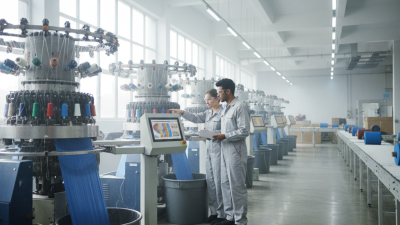
A factory visit can reveal useful details, such as organized assembly lines, calibration records, and test runs under real production conditions.

Small details matter.

Quality control should cover mechanical parts, electronic controls, safety protection, and final performance testing. Suppliers with export experience can also prepare clear manuals, inspection documents, and shipping information. These records support smoother installation and responsible purchasing. Technical support after delivery is equally important, especially when operators face uneven loops or unexpected downtime.

No supplier gets every detail right. Some manufacturers may respond slowly during customization. Others may offer strong machines but limited training. Buyers should compare test results, replacement-part availability, warranty terms, and communication quality. A careful review often matters more than a low quotation. Real production needs should guide the decision.

How to Compare Chinese Frame Knitting Machine Suppliers

How to Compare Chinese Frame Knitting Machine Suppliers

Comparing Chinese frame knitting machine suppliers requires more than checking prices. The International Textile Machinery Federation’s 2023 shipment statistics show that global machinery demand changes by region and machine type. Ask each supplier for recent shipment records, machine specifications, and installation experience in your target market.

Test the details. Compare gauge stability, carriage speed, knitting width, yarn compatibility, and power consumption. Request a video of the machine producing the same fabric structure you need. A factory sample is useful, but one sample can mislead. Ask for at least three production references and measurable uptime data.

Service capacity often separates a reliable supplier from a cheap one. The World Bank’s 2023 Logistics Performance Index ranked China 19th among 139 economies, yet local delivery performance can differ greatly. Check spare-parts stock, remote diagnostic response time, technician availability, and training hours. Confirm warranty terms in writing. ISO 9001 certification may support process control, but it does not guarantee knitting accuracy. I would score technical support, total operating cost, and delivery reliability separately. A spreadsheet helps. It can still hide weak communication.

China Top Frame Knitting Machine Manufacturers and Suppliers? - How to Compare Chinese Frame Knitting Machine Suppliers
Comparison Dimension Recommended Evaluation Standard Typical Reference Data Documents or Evidence to Request Why It Matters Suggested Weight Score
Product Compatibility Check whether the machine supports the required fabric structure, yarn type, working width, and production application. Match required specifications at 100%; do not rely only on catalog descriptions. Technical datasheet, machine configuration sheet, sample-production report, and reference fabric swatches. Prevents purchasing a machine that cannot consistently produce the target product. 15% __/10
Gauge and Working Width Compare the needle gauge and effective working width with the buyer's actual production plan. Common configurations vary by application; confirm the exact needle-bed and width specification for each model. Signed technical specification, needle-bed details, usable width drawing, and product test results. Gauge and width directly affect fabric appearance, usable output, and product range. 10% __/10
Production Capacity Use tested output rather than the maximum speed shown in promotional material. Require a buyer-approved production test using the target yarn, pattern, and quality standard. Factory acceptance-test protocol, hourly output record, machine-speed conditions, and defect-rate data. Real output depends on yarn, pattern, operator skill, machine settings, and quality requirements. 15% __/10
Fabric Quality and Stability Evaluate stitch uniformity, dimensional stability, appearance, and repeatability during continuous operation. Test at least 8 hours of continuous production where practical, with documented inspection results. Fabric samples, inspection checklist, defect photographs, wash-test results, and repeat-order quality records. Stable quality reduces rework, returns, and production interruptions. 15% __/10
Automation and Controls Compare controller usability, pattern editing, data backup, alarm functions, and operator access levels. Require multilingual operating instructions and a documented backup and recovery procedure. Control-system manual, interface demonstration, alarm list, software version, and training plan. Clear controls shorten training time and help reduce setup and operating errors. 10% __/10
Energy and Operating Cost Compare installed power, compressed-air requirements, consumable parts, lubrication, and routine maintenance. Request measured consumption under normal production, not only rated motor power. Electrical load sheet, energy-consumption test, maintenance schedule, and consumables list. A lower purchase price may be offset by higher electricity, maintenance, or consumable costs. 10% __/10
Quality Management Assess incoming inspection, in-process inspection, final testing, traceability, and corrective-action procedures. Require documented inspection at key production stages and a machine serial-number record. Quality manual, inspection forms, test records, calibration records, and corrective-action samples. Formal quality controls improve consistency between the first machine and repeat orders. 10% __/10
Lead Time and Delivery Compare production lead time, testing time, export preparation, and shipping-document capability. Typical customized equipment lead times often require several weeks; confirm the contractual date in writing. Quotation, production schedule, delivery milestone plan, packing list, and previous shipping records with confidential data removed. Accurate delivery planning protects installation schedules and downstream production commitments. 8% __/10
Warranty Coverage Compare warranty duration, covered components, exclusions, response time, and labor or travel conditions. A 12-month warranty is a common minimum reference; negotiate longer coverage for critical components where possible. Signed warranty terms, spare-parts policy, service-level commitment, and warranty-claim procedure. A clear warranty reduces disputes over defects and unexpected repair costs. 7% __/10
Technical Service Assess installation support, remote diagnostics, operator training, troubleshooting, and local service availability. Request a defined response target, preferably within one business day for urgent technical issues. Service organization chart, support contact details, training agenda, remote-support process, and escalation procedure. Fast technical support can reduce downtime and improve machine utilization. 10% __/10
Spare-Parts Availability Check the availability, pricing, interchangeability, and expected delivery time of critical parts. Request a recommended two-year spare-parts list and identify critical wear parts before purchase. Parts catalog, price list, stock policy, delivery-time commitment, and preventive-maintenance kit contents. Parts availability directly affects machine uptime and long-term ownership cost. 8% __/10
Factory Verification Verify manufacturing capability, machine testing, production discipline, and export experience through an audit or live video inspection. Use at least two independent verification methods: factory audit, sample test, customer reference, or third-party inspection. Factory audit checklist, production-line video, test-machine identification, and redacted customer references. Independent verification reduces the risk of inaccurate specifications or unreliable delivery promises. 10% __/10
Commercial Terms Compare total landed cost, payment milestones, installation charges, packaging, shipping terms, taxes, and optional accessories. Evaluate total cost of ownership over 3–5 years, not only the initial quotation. Detailed quotation, pro forma invoice, payment schedule, Incoterms, packing specification, and accessory list. Transparent commercial terms make supplier offers comparable and reduce hidden expenses. 12% __/10
Scoring method: Give each supplier a score from 1 to 10 for every dimension, multiply the score by the suggested weight, and compare the weighted totals. All technical ranges and commercial conditions should be confirmed in the final quotation, technical agreement, and purchase contract.

Buying Considerations for Frame Knitting Machines from China

China Top Frame Knitting Machine Manufacturers and Suppliers?

Buying Considerations for Frame Knitting Machines from China

Buying a frame knitting machine from China requires more than comparing catalogue prices. ITMF’s International Textile Machinery Shipment Statistics reported that global flat-knitting machine shipments fell 39% in 2022, reaching about 11,000 units. This decline suggests cautious investment and stronger pressure on machine productivity. Ask suppliers for actual production records, not only claimed speed. Check stitch accuracy, yarn compatibility, gauge options, and power requirements. Request videos showing continuous operation with your fabric specification.

Inspect the control system carefully. A clear interface, fault history, and replaceable electronic parts can reduce downtime. Confirm needle-bed alignment, carriage noise, lubrication points, and spare-part lead times. A low purchase price becomes expensive when one damaged board stops production for weeks. This happens more often than brochures admit. Factory audits, sample knitting, and third-party pre-shipment inspections improve reliability. ISO 9001 certification is useful, but it does not prove every machine is consistent.

Tips: Send a detailed test pattern before ordering. Include yarn count, stitch density, fabric width, and target output. Compare the supplier’s test fabric with your own sample. Also verify installation training, warranty response times, packing standards, and documentation for electrical safety and electromagnetic compatibility. The International Textile Machinery Federation’s shipment data shows that market demand can change sharply, so avoid buying excessive capacity without confirmed orders. My practical view is simple: performance evidence matters more than polished sales language.

Close
Go top
Translate »