Top Jersey Machine Options for Global Buyers Seeking Quality
In today's competitive textile market, the demand for high-quality jersey machines is on the rise. According to recent industry reports, the global jersey machine market is projected to grow at a CAGR of 5.2% from 2023 to 2028. This growth is fueled by advancements in technology and the increasing popularity of knitted fabrics. Buyers are increasingly seeking efficient, reliable machines that meet stringent quality standards.
The choice of a jersey machine is crucial for manufacturers aiming to enhance productivity and reduce waste. With so many options available, selecting the right machine can be daunting. Not all manufacturers offer machines that can handle diverse fabric types while maintaining quality and speed. It's imperative to assess specifications like production capacity and energy efficiency to make informed decisions.
While it's tempting to focus solely on price, quality should never be compromised. Poor-quality machines can lead to higher operational costs and reduced output. Buyers must reflect on their long-term goals and choose machines that align with their production needs. A well-chosen jersey machine can yield significant returns on investment, ensuring sustainability and growth in an ever-evolving market.
Top Jersey Machine Types for Fabric Production
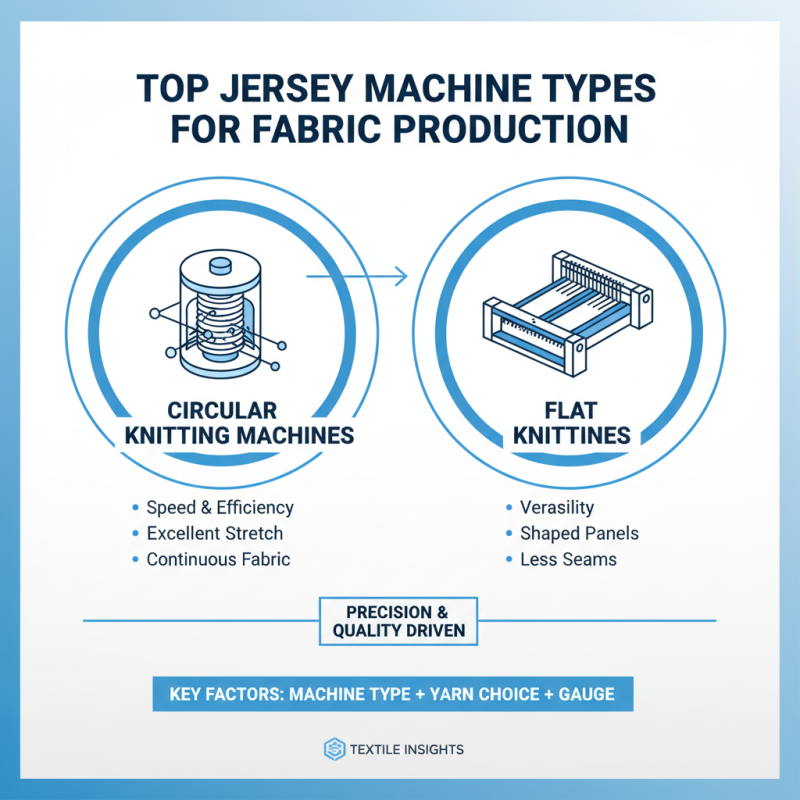
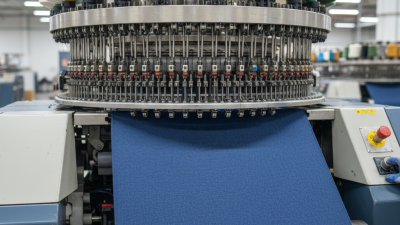
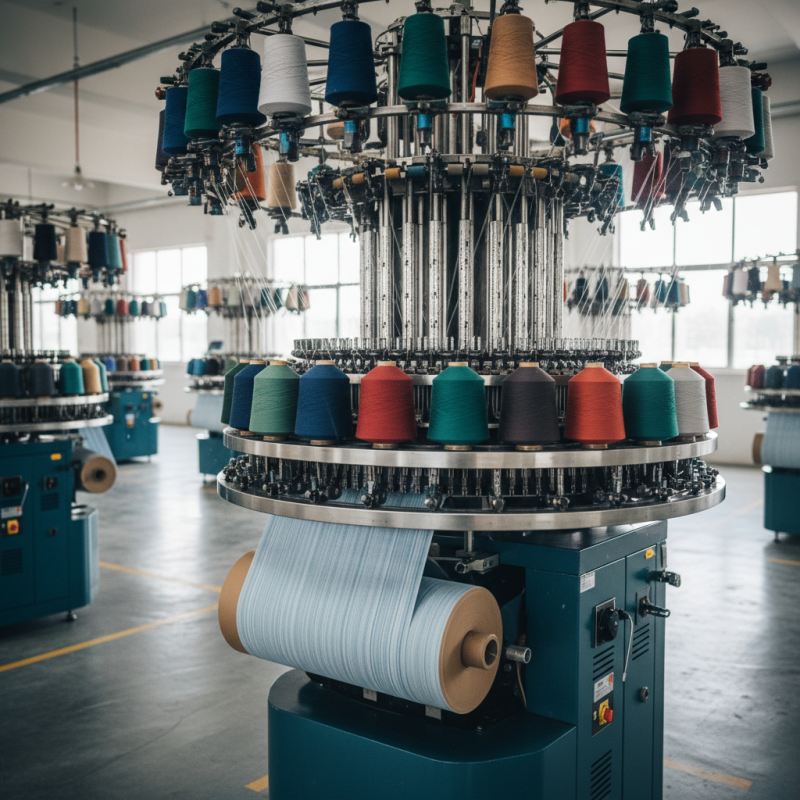
Jersey fabric production requires precision machinery. The right equipment can significantly influence quality. Various types of jersey machines exist, such as circular knitting machines and flat knitting machines. Circular knitting machines are often favored for their speed and efficiency. They produce jersey fabric with excellent stretch properties.
According to the Textile World report, demand for jersey fabric grew by 12% in 2022. This rise has pushed manufacturers to explore advanced jersey machine options. Producers are investing in higher-capacity machines that can handle diverse yarns. A downside to this is the steep initial investment. Budget constraints often limit choices for smaller manufacturers.
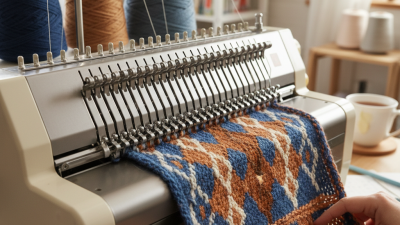
Flat knitting machines can offer greater design flexibility. They allow for intricate patterns and textures. However, they often come with a steeper learning curve. Industry experts note that user training is essential. Implementing technology without proper knowledge can lead to production issues. Balancing quality requirements with the right equipment choice remains a challenge in the industry.
Key Features to Consider in Jersey Machines
When choosing jersey machines, buyers need to focus on key features that directly impact performance. Speed and efficiency are paramount. According to industry reports, modern jersey machines can operate at speeds exceeding 1500 stitches per minute. This efficiency translates to higher productivity in textile manufacturing. However, potential buyers must assess their operational needs carefully. Not all machines will fit every volume requirement.
Stitch quality is another critical factor. High-quality jersey machines should produce consistent and durable stitches to meet industry standards. Data shows that machines with advanced needle systems significantly reduce defects. This consistency ensures garments maintain their integrity over time. Buyers should seek machines that offer customizable stitch patterns, allowing adaptability for various fabric types.
Additionally, energy consumption is essential for sustainable operations. Reports indicate that energy-efficient machines can reduce operational costs by up to 20%. Manufacturers are increasingly integrating smart technology to monitor and optimize energy use. While there are many options, buyers must evaluate how these features align with their production goals. The market remains vast, but not every machine will fulfill specific requirements.
Top Jersey Machine Options for Global Buyers Seeking Quality - Key Features to Consider in Jersey Machines
| Machine Type |
Stitch Types |
Max Speed (RPM) |
Needle Count |
Price Range (USD) |
| Jersey Lock Stitch |
Lock Stitch |
2000 |
1-2 |
500 - 1500 |
| Overlock Machine |
Overlock Stitch |
3500 |
3-5 |
700 - 2000 |
| Flat Lock Machine |
Flat Lock Stitch |
3000 |
2-4 |
600 - 1800 |
| Double Needle Machine |
Double Needle Stitch |
2500 |
2 |
800 - 2200 |
| Seam Tape Machine |
Tape Stitch |
1800 |
1 |
500 - 1500 |
Leading Manufacturers of Jersey Machines Worldwide
When exploring jersey machines, global buyers should consider the leading manufacturers that set the industry standard. These companies have gained recognition for their commitment to quality and innovative technology. Different manufacturers offer varying benefits, making it essential for buyers to assess their specific needs closely.
Many manufacturers prioritize durability and efficiency. They invest in advanced engineering to enhance performance. This focus on quality is essential for producing consistent and high-quality fabric. However, buyers should also evaluate whether these machines meet their production scale and specific textile needs. Researching user feedback and industry expertise can shed light on the reliability of different brands.
It’s important to remember that not every machine suits every operation. Some manufacturers may excel in certain features but fall short in others. Budgets and technical support available can also influence buyer decisions. Global buyers must reflect on their unique requirements to make informed choices about jersey machines. Engaging with industry communities or attending trade shows could provide valuable insights.
Comparative Analysis of Jersey Machine Prices
When exploring jersey machine prices, it's essential to consider various factors that impact costs. The initial investment can vary significantly based on specifications and features. Some machines may offer advanced technology, enhancing productivity, while others focus on basic functions with lower price points.
Comparative analysis shows regional differences in pricing. In some markets, imported machines are more expensive due to shipping and tariffs. In contrast, local manufacturers might provide more affordable options, but they might lack advanced features. Buyers should assess their needs carefully to balance price and quality.
It's crucial to evaluate the warranty and service options. A lower price may come with limited support. Buyers often discover that investing in quality leads to long-term savings. It’s a delicate balance between upfront cost and durable performance. Understanding market trends can guide buyers toward making informed decisions. Each choice has its complexities, prompting essential reflections on priorities and long-term goals.
Top Jersey Machine Options for Global Buyers Seeking Quality
Insights into Maintenance and Longevity of Jersey Machines
When investing in jersey machines, maintenance and longevity are crucial factors. Proper care can extend the life of these machines significantly. Reports indicate that regular maintenance can improve operational efficiency by up to 15%. Many users overlook minor issues that escalate into major repairs. A small adjustment today can prevent costly setbacks tomorrow.
Lubrication is essential. Keeping machine components well-lubricated reduces friction and prevents wear. Surprisingly, many operators choose to skip this simple task. This oversight not only shortens machine life but affects product quality. Data suggests that up to 20% of machinery failures stem from inadequate lubrication practices.
Moreover, keeping a clean work environment is vital. Dust and debris can impact machine functionality. Cleaning routines often get pushed aside due to busy schedules, but a clean machine performs better. Users should create a maintenance log to track service dates and equipment conditions. Regular assessments help identify potential issues early, ensuring machines run smoothly and efficiently.