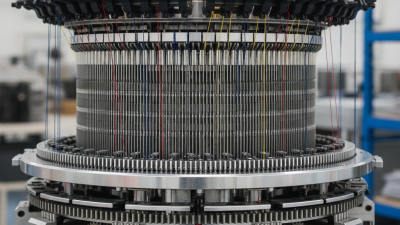
Knitting jacquard machines turn programmed patterns into fabric, row by row. Their value depends on more than pattern complexity. Gauge, machine width, speed, yarn compatibility, electronic controls, and local technical support all affect production decisions. For mills, a small sample swatch can reveal practical differences that a specification sheet misses.
Industry data helps explain the wider setting. Textile Exchange’s Materials Market Report 2024 estimates that global fiber production reached 124 million tonnes in 2023. That figure is not a measure of jacquard-machine demand, but it shows the scale of the material supply chain these machines serve. ITMF’s International Textile Machinery Shipment Statistics tracks machinery shipments across textile equipment categories, including knitting machinery. Its data offers useful market context, though it does not capture every jacquard model or factory-level purchase. No ranking is perfect. A manufacturer may lead in advanced controls yet offer limited service in a buyer’s region.
This guide to the top 10 knitting jacquard machine manufacturers worldwide compares companies through practical, verifiable criteria: product range, technical capability, application fit, service coverage, and publicly available company information. It is intended as a starting point, not a final purchasing verdict. Buyers should confirm current specifications, sample quality, spare-parts availability, and support response times directly with suppliers. The details matter. A machine that performs well on a showroom sample may behave differently with a mill’s yarn, operators, and production schedule.
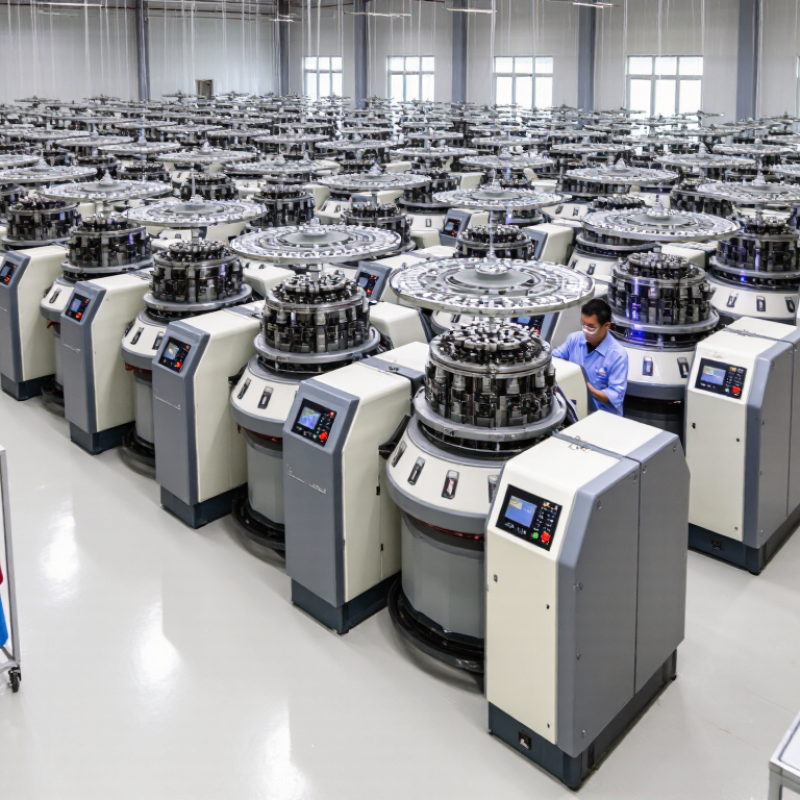
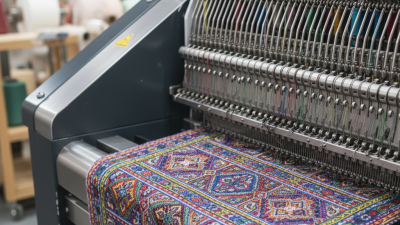
A knitting jacquard machine creates patterned fabric by controlling which needles knit, miss, or hold loops. Depending on its design, it can also manage different yarn colors or feeds across a pattern. This lets a machine produce motifs directly in knitted fabric, rather than printing them afterward. It is different from a woven jacquard loom: the fabric is formed from interlocking loops, not crossing warp and weft threads.
Electronic models read pattern instructions and coordinate needle selection with yarn feeding. On a production floor, operators may check the pattern file, yarn path, and stitch settings before a run. Small changes in yarn tension can affect the motif’s edges or the fabric’s stretch. The result also depends on machine gauge, yarn thickness, and the chosen knit structure. Some designs create floats on the fabric’s reverse side; others use constructions that manage those floats differently. It is not magic. A clean digital pattern cannot correct poor setup, and even experienced operators may need trial swatches. That imperfect first sample is useful: it reveals how the actual yarn and machine behave together.
A knitting jacquard machine forms patterned fabric by selecting individual needles or needle groups to knit, tuck, or miss stitches. The pattern is translated into instructions that control needle selection as the cylinder or needle bed moves. At each course, selected needles catch yarn while others hold or skip it. The machine builds the design row by row, turning colored yarns and different stitch structures into visible motifs.
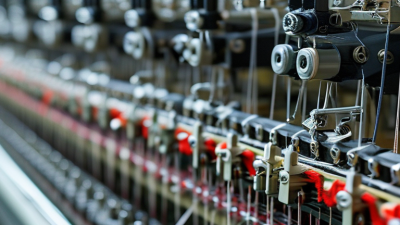
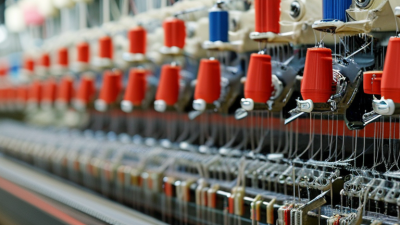
Color changes need careful timing. A feeder presents the required yarn, while tension controls help keep loops even. Meanwhile, cams guide needle movement, and sinkers support the fabric as it forms. Small errors show quickly. A loose loop or a misplaced color can distort a sharp edge or leave a float on the reverse side. Not always obvious.
Technicians usually test a swatch before a full production run. They check stitch density, yarn tension, pattern alignment, and fabric take-down—the force that pulls knitted fabric away from the needles. A dense motif may need adjustments to avoid stiff fabric or uneven loops. The first sample may still disappoint; yarn behavior can differ from the digital preview. Inspecting both sides, then changing one setting at a time, makes troubleshooting more reliable.
Key Criteria for Comparing Global Manufacturers
Compare machines against the same fabric brief, not headline speed alone. Record gauge, working width, feeder count, pattern repeat, and usable yarn range. Ask for a trial using your yarn and target design. Inspect the fabric under steady lighting for dropped stitches, uneven color changes, and visible pattern distortion. Request measured output and defect rates from a timed production run. A showroom sample is useful, but it cannot prove factory-floor consistency.
Material flexibility matters. Textile Exchange’s 2024 Materials Market Report estimates global fiber production reached 124 million tonnes in 2023, with polyester accounting for 57 percent. This broad market figure is not a machine-performance measure. It does, however, underline why buyers should confirm compatibility with their actual fiber blends, yarn counts, and finishing needs. Compare energy use per kilogram under equivalent settings, too. Results can vary. Ask how the figures were measured.
Tips: Test your own yarn, then check spare-part lead times, technician response, and operator training. Put acceptance limits in writing. One detail is easy to miss: a fast machine may still waste time during pattern changes.
Suggested evaluation weights for comparing manufacturers. The criteria are practical, measurable purchasing factors; the percentages are an illustrative scoring framework, not independently measured market data or manufacturer ratings.
Use the same production requirements and test conditions when comparing specifications such as knitting speed, gauge, patterning capability, fabric compatibility, energy consumption, and service coverage. Adjust the weights to match your product mix and operating priorities.
Choosing among the top 10 knitting jacquard machine manufacturers worldwide requires more than comparing headline speeds. Buyers should examine gauge range, needle selection, pattern repeat capacity, and service response. ITMF’s 2023 International Textile Machinery Shipment Statistics reports machinery shipments by equipment category and destination region, separating large circular knitting machines from flat knitting machines. That distinction matters: jacquard fabrics may be produced on different machine types, so shipment totals alone cannot identify the best fit for a factory.
Look closely at fabric samples and operating data. Ask for production speed on the intended yarn, not just an ideal demonstration. Check stitch consistency across a full-width panel, color-change behavior, and how quickly technicians can replace needles or electronic components.
A polished sample can still mislead. Request a trial using your own yarn and pattern files, then record output, downtime, and waste. Small details count.
Industry shipment statistics help map equipment demand, but they do not rank manufacturers by reliability or lifetime cost. Compare warranty terms, spare-parts availability, training, and documented energy use. The IEA’s Energy Efficiency 2023 report notes that efficiency improvements are central to reducing industrial energy demand; for knitters, motor controls and idle-time settings deserve attention.
Numbers help. Not enough. A fair shortlist should include factory references and maintenance records, even when these are harder to verify than brochure specifications.
Knitting jacquard production is shifting toward faster pattern changes and more precise digital control. Electronics can simplify setup, but results still depend on yarn, machine gauge, and operator skill. Buyers increasingly seek flexible machines that handle varied designs without sacrificing fabric consistency. Energy use matters, too, especially when sampling consumes costly yarn. Small details matter.
Compare gauge, working width, feeder count, and compatible yarn ranges against your actual orders. Request a sample using your own yarn and a demanding pattern repeat, not just an attractive showroom swatch. Inspect reverse-side floats, edge stability, color transitions, and fabric behavior after washing. Ask for output figures with stated operating conditions; headline speed rarely tells the whole story. Test the service, too.
A capable manufacturer should explain installation, operator training, spare-part lead times, and troubleshooting support. Check that its software and pattern files fit your existing workflow. Speak with users producing similar fabrics, and compare claims with production records where possible. Specifications can look tidy on paper, while daily changeovers expose awkward controls or slow support. A checklist cannot predict every defect; trial runs still reveal surprises.