The Ultimate Guide to Knitting Machines for Beginners?
If you've ever thought about creating beautiful knitwear, a knitting machine might be for you. Learning to use a knitting machine can be exciting. It opens a world of possibilities for beginners. However, it can also feel overwhelming. Countless options exist in today's market. Each machine has unique features, which can confuse new users.
Knitting machines vary greatly in complexity and price. Some are simple, while others are more advanced. Beginners may struggle to choose the right one. It’s important to understand what you need. You want a machine that fits your style and skills. Mistakes will happen along the way. That’s okay! Each error teaches you something valuable.
In time, you’ll gain confidence and improve your skills. Exploring patterns and creating unique pieces will become enjoyable. A knitting machine can be a fantastic tool if used correctly. Embrace the learning curve, and don’t rush the process. With patience, your creations will flourish.

Understanding the Basics of Knitting Machines
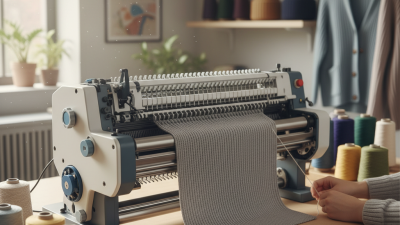
Knitting machines can be a game changer for beginners. They simplify the knitting process and reduce the time spent on projects. Understanding how they work is essential. A basic machine has a needle bed, a tension mechanism, and a carriage. As you knit, the carriage moves back and forth, guiding the yarn through the needles.
Getting started can be challenging. Many beginners struggle with threading the yarn correctly. It's vital to follow the instructions carefully. Tension is another tricky aspect. If it's too tight, the fabric can be stiff. If it's too loose, it can result in uneven stitches. Practice is key to finding the right balance.
Mistakes are part of learning. You may encounter dropped stitches or tangled yarn sometimes. Embrace these moments; they will help you improve. Watching tutorials can be helpful, but nothing beats hands-on experience. With patience, you will notice your skills evolving. Remember, every expert knitter started as a beginner.
Types of Knitting Machines: A Beginner's Overview
Knitting machines come in various types, each suited for different skill levels and project needs. For beginners, the two most common types are manual and electronic machines. Manual machines require the user to control the yarn and tension actively, helping beginners develop their knitting skills. Electronic machines, on the other hand, automate some processes, making it easier and faster to create projects.
According to recent surveys, nearly 70% of new knitters prefer electronic models. These machines often include features like built-in patterns and easy stitch adjustments. However, they can be more complex and may overwhelm some beginners. A common issue is the learning curve associated with the technology. Many users report frustration when trying to troubleshoot errors or navigate their machine’s functions.
A simple manual knitting machine allows for creative freedom. Yet, many beginners find the repetitive nature challenging and sometimes tedious. It can be disheartening when projects don't come out as expected. Embracing mistakes is essential in the learning process. Understanding which machine suits your needs can lead to a more enjoyable knitting experience.
The Ultimate Guide to Knitting Machines for Beginners
Essential Features to Consider When Choosing a Knitting Machine
When selecting a knitting machine, consider the essential features that will suit your needs. Look for machines with adjustable stitch sizes. This allows for greater creativity in your projects. You should also think about the number of built-in patterns available. More patterns mean more options for experiments. However, having too many can be overwhelming.
Ease of use is another crucial factor. A beginner-friendly machine is vital for those just starting. Look for features like an automated yarn tension system. This can save you from common frustrations. Yet, you might find it challenging to master the settings on more complex machines. Don’t be afraid to make mistakes along the way; they are part of the learning process.
Portability matters, especially if you plan to knit on the go. A lightweight machine could be more convenient. Also, consider the workspace needed. Some machines require significant space. If your area is limited, finding a compact model may be necessary. Remember that not every experience will be perfect. Take your time to explore and enjoy your knitting journey.
Step-by-Step Guide to Setting Up Your Knitting Machine
Setting up your knitting machine can be exciting yet daunting. Start by choosing a clean, well-lit workspace. Lay out all components to have a clear view. Read through the manual carefully. It may sound simple, but missing a step can lead to frustration later.
Tips: Keep tools nearby. This includes scissors, yarn, and tension discs. These items will simplify your process. Expect some trial and error. Perhaps the needle won’t catch on the first try. This is normal. Adjustments are often necessary.
Next, thread the yarn through the machine as instructed. Check the tension; it affects your stitches significantly. If they are too tight, loosen the tension. If they’re too loose, tighten it. Regularly check your work as you go. It’s easier to fix small mistakes than large ones.
Tips: Take breaks to avoid fatigue. Knitting can be intense on your eyes. Reflect on any difficulties you encounter. Understanding your machine better will improve your skills over time. Don’t rush; patience is key in knitting.
Tips for Getting Started with Knitting Projects Using a Machine
Knitting machines can open exciting doors for beginners. They save time and create beautiful pieces quickly. However, getting started may feel overwhelming. Here are some tips to ease your journey.
Start with simple projects. Consider a scarf or a basic blanket. These are forgiving and easy to manipulate. Choose a soft yarn in a light color. This way, you can see your stitches clearly. Mistakes may happen, but that’s part of the learning process. Don’t be too hard on yourself.
Practice threading the machine. It can be tricky. Take your time to understand the guide. Watch videos or read manuals if necessary. Setting it up correctly is crucial. If the thread slips, the tension will be off. This leads to uneven stitches. Learning the machine’s quirks takes patience.
Experiment with different yarn types. Some may yield better results than others. A thick yarn may be harder to work with. While a thinner yarn might offer more flexibility. The key is to enjoy the process. Embrace the imperfections that come with practice. Every project teaches you something new.