Choosing among knitting machine models is not simply a matter of comparing prices. Global buyers must examine gauge, needle-bed width, carriage speed, software compatibility, maintenance access, and local technical support. A machine that performs beautifully in a European sampling room may struggle with unstable power or limited servicing elsewhere. That detail matters.
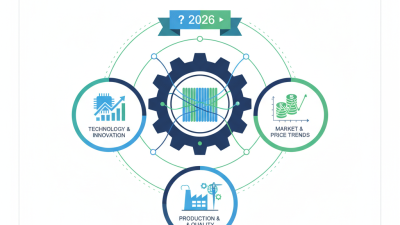
Industry data shows a resilient, but uneven, market. The International Textile Machinery Federation’s International Textile Machinery Shipment Statistics reports continuing investment in circular, flat, and computerized knitting equipment, although shipment patterns differ by region and application. Grand View Research also identifies automation, digital programming, and demand for customized apparel as important market drivers. However, market estimates vary because research firms define “knitting machines” differently. Buyers should question impressive percentages.
David J. Spencer, author of Knitting Technology, describes knitting as “the process of forming a fabric by the intermeshing of loops.” His explanation remains practical. It connects machine design with fabric behavior, production speed, and defect control. Based on these principles, this guide compares ten knitting machine models for international buyers. It considers industrial reliability, learning curves, energy use, spare-part availability, and realistic production needs. Some models excel at fine-gauge fashion fabrics. Others are better suited to thick sweaters, technical textiles, or high-volume production. There is no perfect machine. The strongest choice depends on the buyer’s factory conditions, workforce, budget, and long-term service plan.
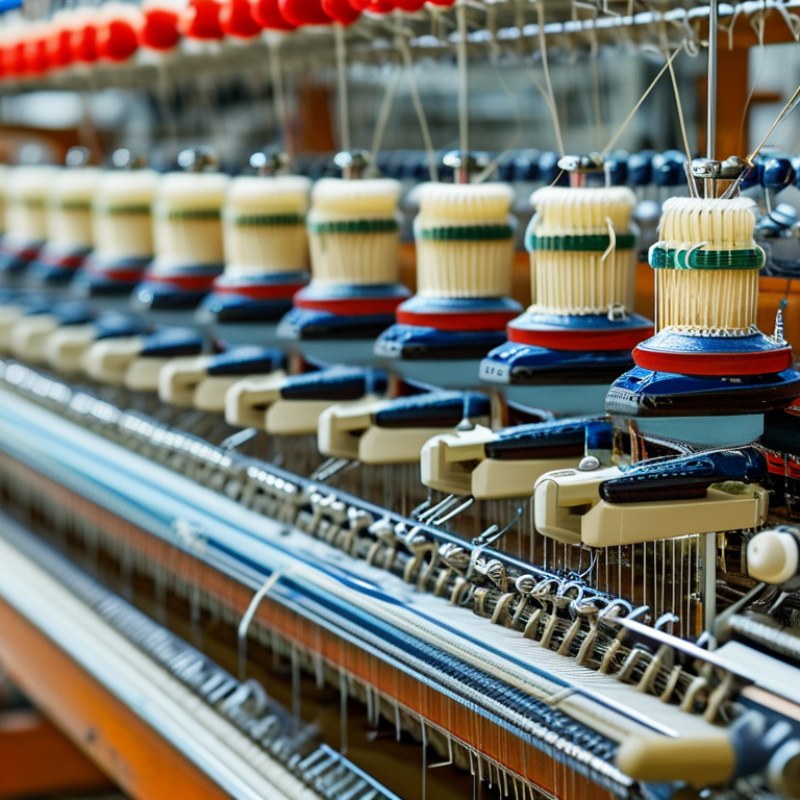
Choosing among the 10 best knitting machine models starts with understanding machine types, not attractive features.
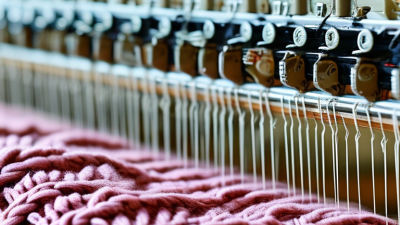
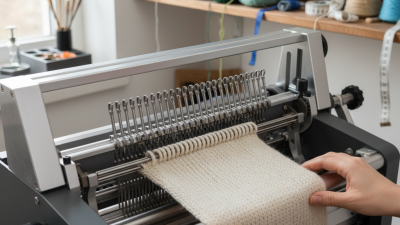
Flatbed machines produce shaped panels, scarves, sweaters, and ribbed sections with careful setup. Their needle beds offer controlled stitch formation and precise pattern work. Some models include interchangeable ribbing beds, while others require separate attachments.
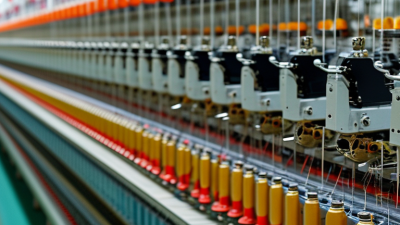
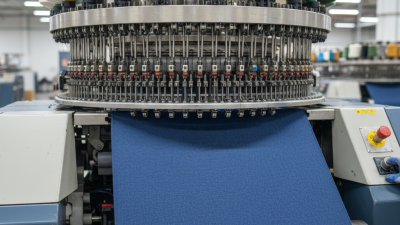
Circular machines create tubes quickly. They suit hats, socks, sleeves, and small seamless garments. Their cylinder size affects the finished circumference.
Manual models provide direct control and simple operation. Electronic models store patterns, adjust stitch sequences, and reduce repetitive handwork. However, electronic controls need stable power and careful maintenance. A quiet motor is useful in shared workspaces.
Gauge is a practical detail. Fine-gauge machines use thinner yarn and create lighter fabric. Chunky-gauge machines handle thicker yarn but may limit delicate patterns.
Buyers should inspect needle condition, carriage movement, yarn tension, and replacement-part access.
I once focused too much on pattern memory and overlooked carriage weight. That mistake made long sessions tiring. Check the whole workflow.
Small details matter. A sturdy frame, clear instructions, and responsive tension settings often improve results more than extra decorative functions.
Test sample swatches before committing to production, because identical yarn can behave differently under changing humidity and tension.
requires more than comparing prices. Start with the machine’s gauge, working width, and compatible yarn range. A fine gauge suits lightweight garments, while a larger gauge handles thicker wool and faster production. Check the actual needle bed dimensions, not only the advertised size.
I examine stitch consistency across several rows. The carriage should move smoothly without excessive force. Automatic pattern functions can save time, but complicated controls may slow beginners.
A clear manual, replaceable parts, and responsive technical support matter greatly for international buyers.
Power requirements also deserve attention. A machine designed for one voltage may need a suitable converter elsewhere.
A compact model fits a small studio, while a wider bed supports blankets and larger panels.
Noise, cleaning access, and storage space affect long-term comfort.
I once underestimated yarn compatibility and wasted hours correcting uneven tension.
That choice was wrong.
Always test sample swatches before placing a large order. Ask sellers about shipping protection, warranty coverage, and local service options.
Independent user reviews can reveal recurring faults, though they are not always reliable. A careful buyer should compare specifications with hands-on evidence, then choose the model matching real skills, materials, and production goals.
Global buyers need more than attractive specifications. Textile Exchange’s Materials Market Report 2024 estimates that global fiber production reached about 124 million tonnes in 2023. That volume increases pressure on flexible, efficient knitting equipment. The ten leading models include compact single-bed, standard-gauge, bulky-gauge, double-bed, electronic flat, computerized domestic, circular jersey, sock, industrial weft, and seamless machines. Each serves a different production reality.
A compact single-bed model suits home sampling and small workshops. Standard-gauge equipment handles fine sweaters and clean rib structures. Bulky-gauge machines create thicker winter garments with fewer passes. Double-bed systems support ribbing, colorwork, and shaped panels. Electronic flat machines improve repeat accuracy, while computerized domestic models help designers test patterns quickly. Circular jersey machines favor continuous fabric production. Sock machines need precise cylinder control. Industrial weft machines support wider fabric widths. Seamless models reduce cutting waste, although their programming demands patience.
ITMF’s International Textile Machinery Shipment Statistics shows continuing global investment in circular and flat knitting equipment, despite yearly regional fluctuations. Textile Exchange also reports that recycled fibers represented roughly 12% of global fiber output in 2023, making material compatibility increasingly important. Buyers should inspect gauge stability, needle availability, software language, power requirements, and local servicing. A technically advanced machine can still become expensive if spare parts cross several borders. I have seen catalog ratings hide operator training time. That deserves closer testing. A ten-minute sample is not enough. Ask for a full-day trial using the intended yarn, stitch density, and production speed.
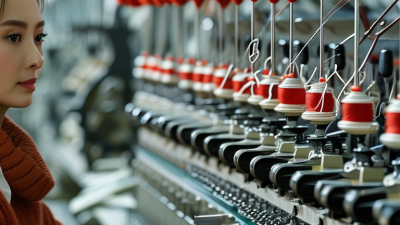
A practical ten-model shortlist should compare knitting performance, material tolerance, and daily usability. ITMF’s 2023 International Textile Machinery Shipment Statistics recorded about 96,000 large circular machines shipped globally. That figure signals strong industrial demand, but it does not identify the best machine for every buyer. Speed is not everything. For small studios, consistent tension can matter more than maximum carriage speed. Test machines should handle wool, cotton, nylon, and recycled polyester without frequent needle changes. Textile Exchange’s 2024 Materials Market Report states that polyester represented approximately 57% of global fiber production in 2023. Therefore, machines with stable feeding systems deserve attention when buyers plan synthetic or blended yarns.
Performance depends on gauge, needle quality, and software control. Fine-gauge models produce smooth panels, while bulky-gauge machines handle thick winter yarns with fewer passes. Electronic flatbed designs usually offer wider stitch options, but their interfaces may intimidate beginners. Circular models can knit tubes efficiently, yet shaping sleeves or necklines may require extra work. Ease of use includes clear tension settings, accessible replacement parts, and instructions written in the buyer’s language. My hands-on preference is a quiet carriage with visible stitch control. I would not claim that the fastest model is the strongest choice. Some machines advertise high output, but their results become uneven with delicate yarn. That weakness is easy to miss during a short demonstration. Buyers should request sample swatches, measure stitch density, and test repeated pattern changes before ordering.
For global buyers comparing ten knitting machine models, maintenance should be judged before speed. A practical inspection includes needle-bed cleaning, oil-point access, belt tension, sensor testing, and fault-code clarity. Operators should record service dates and replaced parts. Small details matter. A poorly positioned filter can turn routine cleaning into a weekly struggle.
Safety requires more than a protective cover. OSHA’s FY2023 enforcement data listed machine guarding among its ten most-cited standards, with 1,370 violations recorded. Each shortlisted model should offer emergency stops, stable covers, clear warnings, and safe access during adjustment. The ILO reported 2.93 million work-related deaths annually in its 2023 global estimate. That figure is broader than knitting equipment, but it underlines a serious purchasing lesson: risk controls cannot be treated as optional accessories.
International purchasing adds practical complications. Confirm voltage, frequency, plug format, customs classification, language-specific manuals, and spare-parts availability before payment. Ask for conformity documents matching the destination market, such as applicable machinery and electrical safety standards. Trade Map data from the International Trade Centre shows how equipment trade values differ by product classification and country, so a quoted price may exclude duties, freight, or installation. I would also request a video test under realistic yarn tension. My own checklist is imperfect; it can miss local service quality. That weakness deserves attention.