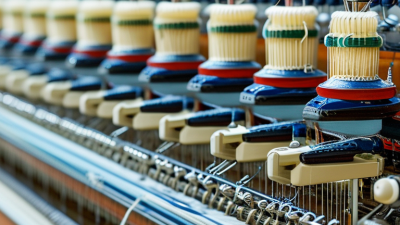
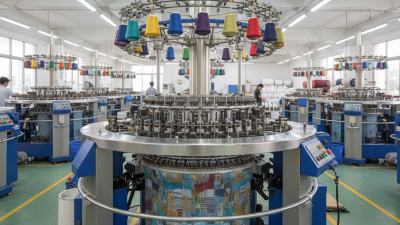
What Is a Circular Knitting Machine and How Does It Work?

A circular knitting machine turns yarn into fabric through a continuous looped structure. Unlike flat-bed equipment, it knits around a cylinder, producing a tube or, with special settings, open-width fabric. Needles rise and fall inside grooves. Their hooks catch yarn, form stitches, and release completed loops as the cylinder rotates.

This process looks simple from a distance. It is not. Yarn tension, needle timing, cam settings, and take-down pressure must remain balanced. A small adjustment can change fabric weight, stretch, or surface appearance. Operators often inspect the first meters under steady light, checking dropped stitches, stripes, and uneven courses. That practical check matters because machine specifications cannot predict every yarn’s behavior.

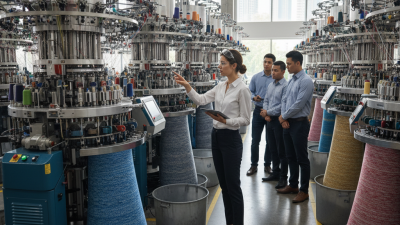
Different machines serve different purposes. Single-jersey models create lightweight fabrics for T-shirts, while rib and interlock machines produce thicker, more elastic structures. Gauge, cylinder diameter, feeder count, and rotation speed influence production results. Modern systems may include electronic controls and automatic fault detection, but skilled observation still matters. A sensor can flag a problem; it may not explain why the yarn keeps snapping.

This guide explores what a circular knitting machine is, how its main parts cooperate, and why settings affect the final fabric. The explanation stays practical, while recognizing an uncomfortable truth: even experienced operators can misjudge a new yarn. Careful testing remains the most reliable starting point.
What Is a Circular Knitting Machine and How Does It Work?

What a Circular Knitting Machine Is

A circular knitting machine is a textile device that forms fabric in a continuous tube. Its needles sit around a cylinder, creating connected rows as the cylinder rotates. Unlike flat knitting machines, it can produce seamless or tubular fabric with fewer side seams.

The machine feeds yarn through guides and small hooks called latch needles. Each needle catches the yarn, pulls it through an earlier loop, and creates a new stitch. This repeated movement builds the fabric course by course.

The cylinder controls the knitting direction, while adjustable settings influence stitch size, fabric width, and density. In practice, cotton, wool, and synthetic yarns may behave differently. A setting that works well for one yarn can produce loose edges or uneven tension with another.

Tips

Check the yarn path before starting. Keep the yarn lightly tensioned, not tight. Turn the handle slowly during the first few rounds. Watch for dropped stitches and unusual resistance.

A small mistake can travel around the tube, so stop and inspect it early. Beginners often focus on speed, but steady rhythm matters more.

I still find that testing a short sample prevents many disappointing results. Also, record useful settings, because memory is unreliable when yarn thickness changes.

The Main Parts of a Circular Knitting Machine

What Is a Circular Knitting Machine and How Does It Work?

The Main Parts of a Circular Knitting Machine

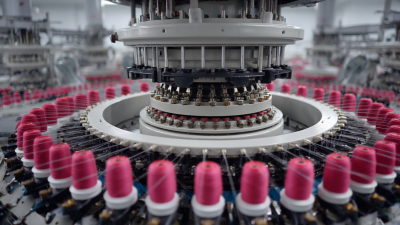
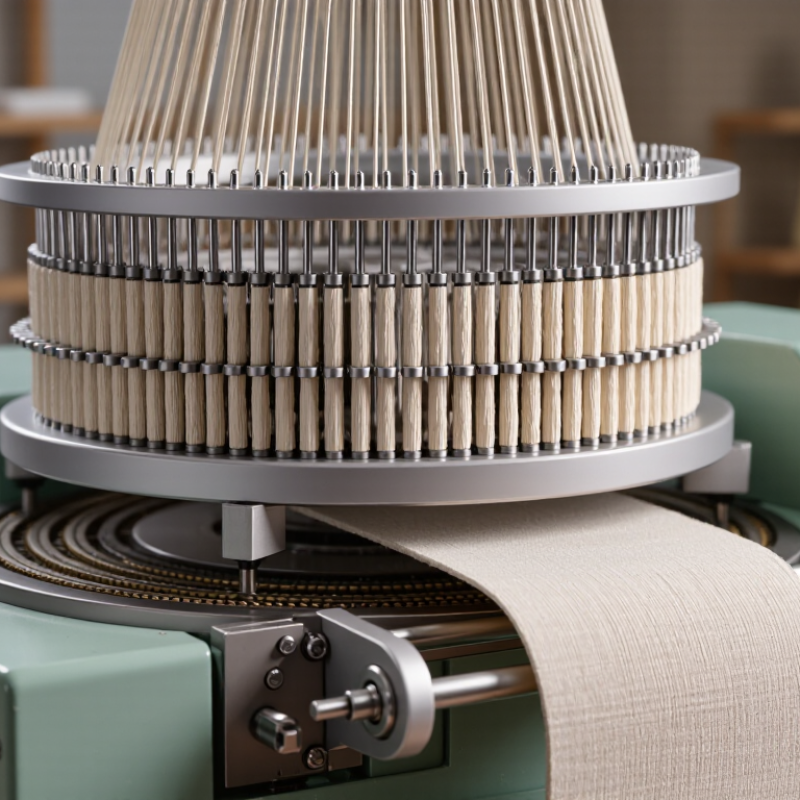
A circular knitting machine forms fabric around a rotating cylinder. Its cylinder holds many vertical needles in precise grooves. Each needle rises and falls through a cam track. The cam system controls stitch height, loop size, and fabric density. Small adjustments matter. A fraction of a millimeter can change the surface appearance.

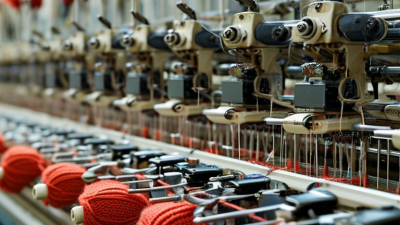
Sinkers work beside the needles. They hold the previous loops while new yarn enters. Yarn feeders guide separate yarns toward the knitting zone. Their position must remain stable during high-speed rotation. A broken feeder can create a visible vertical line within seconds. The take-down rollers then pull the knitted tube downward and maintain steady fabric tension.

The machine also depends on the cylinder, needle beds, cams, feeders, tension devices, and electronic controls working together. In practical inspections, operators often check needle wear, oil flow, yarn tension, and fabric take-down first. These parts reveal problems early, although they do not explain every defect. Textile Exchange’s Materials Market Report 2024 estimated global fiber production at 124 million tonnes in 2023. This scale increases pressure for efficient, consistent knitting and lower material waste. However, efficiency is not only a speed issue. Poor tension control can waste yarn and produce fabric that requires reprocessing. The International Textile Manufacturers Federation’s machinery reports also track circular knitting equipment shipments, showing continued investment despite changing textile demand.

How Yarn Moves Through the Machine

What Is a Circular Knitting Machine and How Does It Work?

How Yarn Moves Through the Machine

A circular knitting machine turns yarn into fabric through a continuous circular path. Yarn leaves several packages above the machine and enters individual feeders. Positive feeding devices control delivery speed, helping prevent sudden tension changes. The yarn then passes through a small guide, touches the needle hook, and forms a loop.

Inside the cylinder, cams move needles up and down in a precise sequence. Raised needles receive yarn, while descending needles pull new loops through existing ones. Sinkers hold the fabric edge during this movement. The loop is formed. Then, take-down rollers draw the knitted fabric downward. This steady motion creates a tube, although some machines open the tube into a flat width.

Yarn movement is not perfectly smooth. Humidity, package hardness, and worn guides can change tension. That matters. The Textile Exchange Materials Market Report 2024 recorded 124 million tonnes of global fiber production in 2023. Such volume increases the need for stable, efficient yarn handling. ITMF machinery statistics also reported weaker circular-knitting-machine shipments in 2023, reflecting cautious investment. Operators therefore inspect yarn paths carefully, rather than trusting machine settings alone. A loose guide may create a vertical line. Excessive tension may produce tight courses. These faults seem small, but they can spread across an entire roll.

How Needles Form Continuous Knitted Fabric

What Is a Circular Knitting Machine and How Does It Work?

A circular knitting machine creates fabric in a continuous tube. Its needles sit around a rotating cylinder, forming a circular knitting bed. As the cylinder turns, each needle catches yarn and pulls it through an existing loop. The new loop stays on the needle while the old loop moves below it. This repeated movement builds connected rows without a side seam.

Cams guide each needle through a precise path. They control when a needle rises, receives yarn, and descends to form a stitch. Sinkers help hold the fabric and support loop formation between needle movements. Small changes in yarn tension can alter the fabric’s width, stretch, and surface appearance. A loose setting may create soft fabric, but it can also produce uneven loops. I have found that checking the first few rotations reveals problems earlier than inspecting a finished roll. Machines are consistent, but they are not completely forgiving.

Tips: Clean the needle area before operation. Check yarn tension regularly. Watch for skipped loops, unusual noise, or broken yarn. These details often signal a worn needle or incorrect adjustment. Record the machine settings for each fabric type. This simple habit improves repeatability, although real production may still require fine tuning.

What Is a Circular Knitting Machine and How Does It Work?

Each needle on a circular knitting cylinder can form approximately one new loop during a complete revolution when it is selected to knit. The chart shows the theoretical number of needle positions on a 30-inch cylinder at common needle gauges.

A higher gauge places more needles around the same cylinder circumference, producing smaller and finer loops. The estimate uses the relationship: needle positions ≈ cylinder circumference × needles per inch. In production, the exact count can vary because of machine construction, needle spacing, and pattern selection.

Common Types and Uses of Circular Knitting Machines

What Is a Circular Knitting Machine and How Does It Work?

A circular knitting machine creates fabric in a continuous tube. Needles sit around a rotating cylinder. Cams move the needles up and down, while feeders deliver yarn at high speed. The needles form loops, and a take-down system pulls the fabric evenly below the cylinder. Operators must control yarn tension carefully. Small changes can create stripes, holes, or uneven fabric.

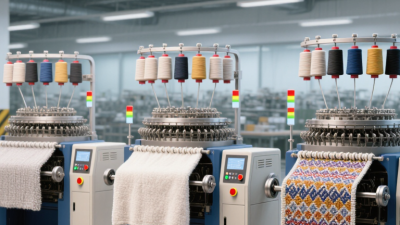
Single-jersey machines produce lightweight T-shirts, underwear, and sportswear. Rib machines form elastic structures for cuffs, waistbands, and fitted garments. Interlock machines create a thicker, smoother fabric with better dimensional stability. Double-jersey machines support fleece, piqué, and other structured textiles. Jacquard versions can select individual needles, producing patterns without cutting separate fabric panels. Terry machines add looped surfaces for towels and absorbent clothing.

The choice depends on fabric weight, stretch, pattern complexity, and production volume. According to the Textile Exchange Materials Market Report 2024, global fiber production reached about 124 million tonnes in 2023 and may approach 160 million tonnes by 2030. This rising volume increases pressure to reduce waste during knitting and finishing. Circular machines can help because tubular fabric often needs fewer side seams. However, that benefit is not automatic. Poor calibration still creates defective rolls and wasted yarn. In practice, experienced technicians inspect loop formation, fabric width, and machine vibration throughout production. Data from each run should guide adjustments, not replace human judgment.

Close
Go top
Translate »