How to Choose the Best Jacquard Machine?
Choosing the best jacquard machine begins with the fabric, not the machine’s advertised speed. In a busy weaving room, yarn tension, pattern complexity, and production targets quickly expose weak decisions. A model that looks impressive online may struggle with delicate silk, recycled yarn, or dense upholstery designs. Small details matter. Operators often notice them first.
This guide examines the practical factors behind a reliable jacquard machine choice. These include hook capacity, working width, electronic control, shedding accuracy, and compatibility with existing looms. Maintenance access also deserves attention. A machine with excellent specifications can still create costly delays when spare parts arrive slowly or technicians lack proper training. Supplier support, software updates, energy use, and operator safety should receive equal consideration.
Real evaluation requires more than comparing brochures. Request fabric samples, review production records, and test the machine with your actual yarns and patterns. Check how smoothly it handles repeated motifs, sharp color changes, and long operating hours. The cheapest option may become expensive through downtime, complex repairs, or unnecessary power consumption. That assumption can fail.
No choice is perfect. Some buyers focus too heavily on maximum speed and overlook pattern stability. Others select advanced controls without preparing their teams for daily use. A careful decision balances present needs with realistic expansion plans. By comparing technical performance, lifecycle costs, supplier credibility, and user experience, manufacturers can choose a jacquard machine that supports consistent quality rather than simply promising impressive output.
Define Jacquard Machine Types and Their Core Functions
How to Choose the Best Jacquard Machine?
Define Jacquard Machine Types and Their Core Functions
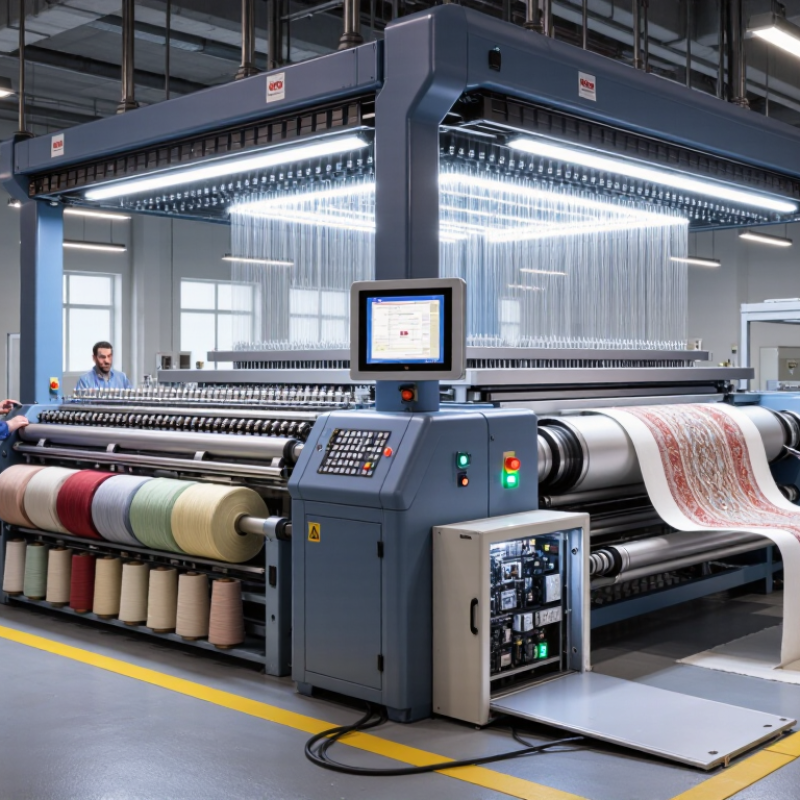
Choosing a jacquard machine starts with its type, not its advertised speed. Mechanical jacquard machines use cams, knives, and hooks to control selected warp threads. They are durable and familiar to many weaving teams. Electronic jacquard machines use digital signals to raise individual hooks with greater pattern flexibility. They suit detailed designs, frequent style changes, and demanding production schedules. Double-lift and double-cylinder structures can manage more complex shedding actions. However, they may require stronger technical support and careful timing adjustments.
The core function remains the same: controlling warp threads to create woven patterns. Check the machine’s hook capacity, working width, lifting height, and maximum speed. Match these details with the fabric’s density, yarn size, and repeat length. A narrow machine cannot efficiently produce wide furnishing fabric. A high-speed model may also perform poorly with fragile yarns. In practical trials, operators should inspect shed clarity, pattern accuracy, noise, and thread breakage. Small errors often appear after several hours, not during a short demonstration. I have seen specifications look impressive while maintenance access felt inconvenient. That detail matters. Ask whether staff can clean the hooks, replace worn parts, and adjust electronic settings without delays. Energy use, spare-part availability, and control-system compatibility also affect long-term reliability. A suitable machine is not always the fastest one.
Match Machine Capabilities to Your Fabric and Design Requirements
Choosing the best jacquard machine starts with your fabric, not the machine’s advertised speed. Identify fiber type, yarn thickness, fabric width, and expected production volume. A fine silk-like fabric needs controlled tension and gentle yarn handling. Heavy upholstery fabric demands stronger hooks, stable frames, and consistent insertion. Measure the sample.
Then match design complexity to machine capability. Count the colors, repeats, ground structures, and pattern changes required. A high-hook configuration supports detailed motifs, but it may increase setup time and maintenance. Electronic control can simplify complicated repeats. Mechanical systems may suit stable, long-running patterns. Check lifting height, hook density, loaded speed, and loom compatibility. Ask for a production trial using your actual yarns. Catalog figures help, but real fabric reveals more.
Operator experience also matters. Advanced controls cannot prevent uneven selvedges caused by poor threading or tension settings. Look for accessible adjustment points, clear fault messages, and reliable technical documents. Record broken ends, stoppages, and pattern corrections during testing. Small defects often expose larger workflow problems. I would not choose the fastest option automatically. Speed may reduce quality when the design is dense or the yarn is fragile. Recheck energy use, spare-part access, training needs, and service support before committing.
Evaluate Key Specifications, Production Speed, and Pattern Complexity
How to Choose the Best Jacquard Machine?
Choosing a jacquard machine starts with matching specifications to your actual fabric plans. Check the number of hooks, working width, shedding height, and compatibility with your loom. A machine with more hooks supports finer motifs, but it may require higher maintenance. Review the control system carefully. It should manage repeat sizes, pattern files, and design changes without slowing production.
Production speed matters, but maximum speed can be misleading. Ask how the machine performs during long shifts and frequent pattern changes. Observe vibration, noise, and skipped selections on a sample run. Stable operation often matters more than a higher advertised speed. Calculate output using your yarn type, fabric density, and planned downtime. A realistic figure is more useful.
Tips:
Test your most complex pattern before purchase. Use a small sample with dense borders, curved lines, and repeated color changes. Check whether the machine keeps clean edges at the target speed. Also examine access to spare parts and technical support. I once focused too heavily on speed and overlooked setup time. That mistake reduced daily output. The best choice is not always the fastest machine. It should handle your patterns consistently, fit your workspace, and allow operators to work safely. Leave room for improvement.
Compare Operating Costs, Maintenance Needs, and Available Support
Choosing a jacquard machine requires more than comparing purchase prices. Total operating cost appears during every production shift. ITMF’s 2024 International Textile Machinery Shipment Statistics report tracks shipments by machine type and region, but shipment volume cannot predict factory expenses. A low-priced machine may consume more electricity, require specialized parts, or need longer technician visits. Request measured power data at your intended speed, pattern density, and loom width. Ask for kilowatt-hours per operating hour.
Maintenance deserves equal scrutiny. The U.S. Department of Energy’s Operations and Maintenance Best Practices Guide estimates preventive maintenance can cost 12–18% less than reactive maintenance. Treat that as a planning benchmark, not a promise. Inspect lubrication points, actuator access, controller diagnostics, filter intervals, and spare-part lead times. A ten-minute stoppage can become expensive when operators wait for a specialist. The DOE also reports that compressed air may consume 10–30% of a plant’s electricity. Pneumatic systems therefore need leak checks and pressure monitoring.
Support quality often decides recovery time. Compare response hours, remote diagnostics, local technicians, training, documentation, and escalation procedures. Ask for anonymized service records, not polished testimonials. Calculate annual costs using energy, labor, consumables, planned downtime, unplanned downtime, and system updates. I would keep a contingency reserve; early estimates are often too optimistic. Run a trial with several fabric constructions for one full shift. Record defects, thread breaks, noise, temperature, and reset frequency. A fast machine is less useful when your team cannot maintain it consistently.
Select the Machine That Best Fits Your Budget and Production Goals
Choosing a jacquard machine starts with production goals, not the lowest quotation. A small workshop may need flexible patterns, quick style changes, and modest output. A contract mill may prioritize speed, repeatability, and continuous operation. ITMF’s International Textile Machinery Shipment Statistics 2023 recorded more than 100,000 new shuttleless looms shipped worldwide. This indicates strong investment, but shipment volume does not prove that every machine suits your fabric.
Calculate total ownership cost before comparing specifications. Include the machine, jacquard head, harness setup, installation, training, electricity, maintenance, and spare parts. The International Energy Agency reports that electric motor systems consume about half of global electricity. Efficient drives can therefore reduce operating costs, especially during long production runs. Ask suppliers for measured energy use, not estimated figures. Request a trial using your actual yarn, width, density, and pattern complexity. Small details matter.
Leave room for mistakes. My first equipment estimate once ignored changeover labor, making a cheaper machine more expensive in practice. Review expected orders for the next three years. A machine running below 40% capacity may waste capital, while constant overloading can increase downtime.
Check local technician availability and delivery times for electronic modules. Also inspect noise, access panels, safety controls, and operator ergonomics. A lower purchase price is attractive, but an unreliable machine can quietly damage delivery schedules and customer trust.