What Is a Jacquard Machine and How Does It Work?

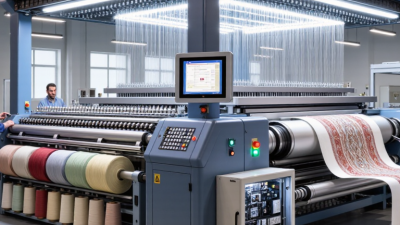
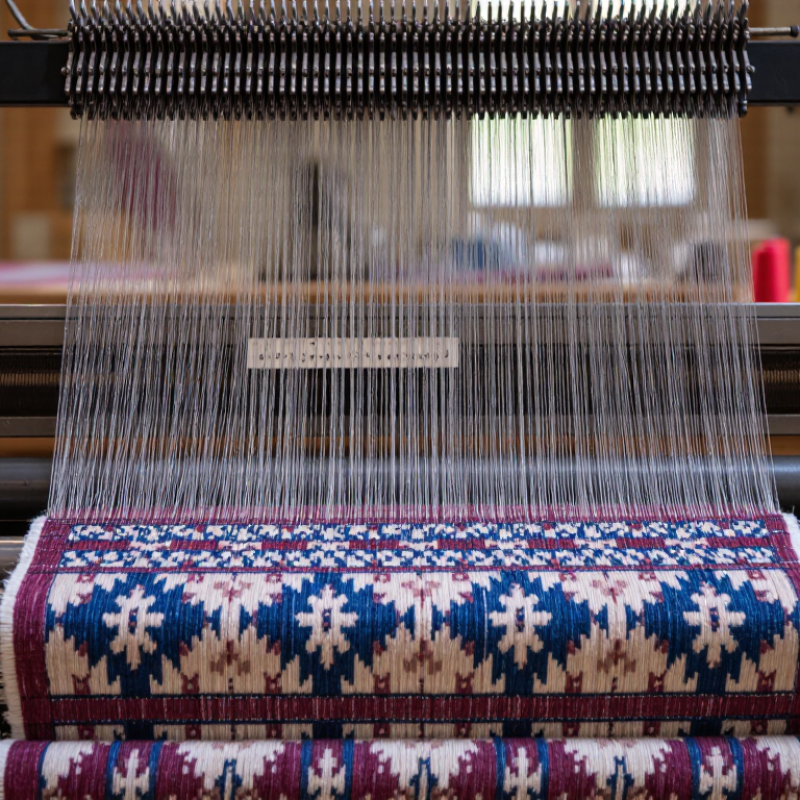
A jacquard machine is a pattern-control mechanism used with a loom to weave detailed designs into fabric. It selects which warp threads rise or stay down as the weft passes across them. That controlled movement creates patterns that would be difficult to produce by hand, such as woven flowers, lettering, or repeating geometric shapes. It does not weave the cloth on its own. The loom still carries the weft through the opening between raised and lowered threads.

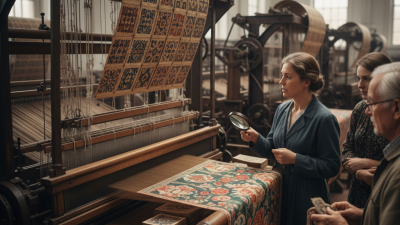
In the original system, a chain of punched cards stored pattern instructions. Each card represented one row of the design; holes allowed specific hooks to move, lifting selected warp threads. The result was a repeatable sequence, though preparing cards and setting up the loom required care. Small choices matter. A misplaced card or poorly aligned thread can disrupt the pattern.

Modern jacquard looms often use electronic controls instead of physical cards, but the central idea remains selective thread control. This distinction helps explain why “jacquard” can describe both a machine and a fabric made using this method. The name alone does not tell you how a particular textile was produced; equipment and techniques vary. A jacquard machine is powerful, but it is not magic. Understanding its basic parts—pattern instructions, hooks or electronic selectors, warp threads, and the loom—makes its operation easier to follow. There is one useful complication: the same design can require different setup choices on different looms.
What Is a Jacquard Machine and How Does It Work?

What a Jacquard Machine Is

A Jacquard machine is a device that controls which lengthwise threads, called warp threads, rise during weaving. This creates patterns directly in the fabric, rather than printing them onto a finished cloth. Traditional machines used cards with holes to encode each row of a design. As the cards moved through the mechanism, pins passed through selected holes and lifted particular threads. Click, lift, repeat. The loom then carried a crosswise thread, called the weft, through the opening. This process gave weavers much finer control over complex motifs than simpler patterning methods.

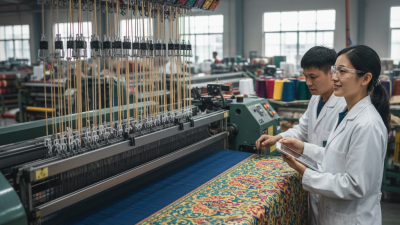
The machine is not a loom by itself; it is a pattern-control system fitted to one. Modern versions generally use electronic instructions instead of physical cards, but the basic task remains selective thread control. A woven floral motif, for instance, may require different warp threads to rise in carefully planned sequences. The result can include detailed figures, raised textures, or repeating geometric shapes. “Jacquard” describes how a pattern is woven, not the fiber used; cotton, silk, and synthetic yarns are all possible. The name can sound like a fabric category, which is understandable but not quite accurate. Actual pattern limits depend on the loom, thread count, and design setup.

Key Parts That Control the Loom

A Jacquard machine controls selected warp threads to create a pattern, rather than lifting every thread in one fixed sequence. In a traditional setup, punched cards carry the design. A card cylinder presents each card to a row of needles. Holes let certain needles move forward; solid areas push others back. This difference determines which hooks can catch the loom’s lifting knives.

The hooks connect through harness cords to heddles, which guide individual warp threads. When selected hooks rise, those threads lift and form an opening called the shed. A shuttle or another weft-insertion system then carries yarn through that opening. Small parts matter. A tangled cord or poorly aligned needle can distort a motif across several picks. On modern looms, electronic controls may replace cards, but the pattern still selects which warp threads move.

The neat diagrams can make this sequence look perfectly synchronized. Real looms have slack, wear, and occasional misalignment, so operators check cords and thread movement during setup. Even a small adjustment can change the shed’s shape. The machine’s accuracy depends not only on the pattern, but also on the condition of the harness and the way the loom is adjusted.

What Is a Jacquard Machine and How Does It Work? - Key Parts That Control the Loom

Part Main Function How It Works Role in Weaving
Pattern control Stores or supplies the design instructions. Traditional systems use punched cards; electronic systems use digital pattern data and controlled actuators. Determines which warp threads are selected for each pick.
Needles Read the pattern selection in a card-operated mechanism. A card hole allows the corresponding needle to move; an unpunched area blocks it and changes the selection of its hook. Translate pattern information into mechanical selection.
Punched cards and card cylinder Present successive rows of a pattern to the needles. The card chain advances one card at a time. A cylinder presses each card against the needle board in card-operated designs. Each card row represents a weaving pick; these parts are not used in the same form on electronic systems.
Hooks Hold and lift selected harness cords. Selected hooks engage with the lifting mechanism; unselected hooks remain out of the lifting path. Provide the individual selection that makes detailed woven motifs possible.
Griffe or lifting knives Raise the hooks chosen for a particular pick. The moving knife frame catches selected hooks and lifts them as the loom cycles. Creates the upward movement needed to form the shed.
Harness cords and board Connect selected hooks to the warp-thread lifting system. Cords pass through the harness arrangement and transmit the hooks’ movement to the corresponding heddles or warp ends. Carry the pattern selection down to the threads being woven.
Heddles and warp ends Guide and position the warp threads. Selected warp ends rise while other ends remain lower, separating the warp into two layers. Their separation forms the shed through which the weft is inserted.
Loom and weft insertion system Insert weft through the shed and beat it into the fabric. A shuttle, rapier, air jet, or another loom-specific system carries the weft across; the reed then beats it into place. Works with the Jacquard mechanism to build the fabric pick by pick.
Return mechanism Resets lifted hooks and warp ends after each pick. Springs, weights, or other machine-specific components return the selected parts to their resting positions. Prepares the mechanism for the next pattern instruction.

Operating sequence: The pattern system selects hooks, the lifting mechanism raises the chosen harness cords, and the resulting warp shed allows the loom to insert a weft pick. The parts then reset before the next selection.

How Pattern Instructions Are Prepared

Before weaving, a design must become instructions the loom can read. The pattern is arranged as a grid: columns represent warp ends, and rows represent weft picks. Each cell specifies how a warp thread should rise or stay down. Small errors travel. A designer checks the repeat, color sequence, and weave structure, then maps the plan to the loom’s hooks and harness cords. On a mechanical Jacquard, punched cards encode those choices; holes allow selected needles to pass. Electronic systems use digital pattern files instead. The file still needs machine-specific mapping.

A proof sample helps catch a misplaced repeat or an incorrect lift before production. That check is practical, not perfect; yarn behavior and tension can change the fabric’s appearance. Textile Exchange’s Materials Market Report 2024 estimates global fiber production reached 124 million tonnes in 2023, up from 116 million tonnes in 2022. This is industry-scale context, not a Jacquard performance figure. At that scale, careful instruction preparation matters because a wrong setting can repeat across many picks. Operators should verify the file, loom setup, and sample together. One detail is easy to overlook: the on-screen grid may not show how threads actually cover one another.

How the Machine Selects Warp Threads

A Jacquard machine selects warp threads—the lengthwise yarns—according to a programmed pattern. In a traditional loom, punched cards guide hooks or needles. A hole allows a hook to rise; a solid area holds it down. The hooks lift selected cords in the harness, raising matching warp threads to form a gap, or shed. The weft passes through that gap. Then the mechanism resets for the next pick.

Modern electronic Jacquard systems replace cards with digital pattern instructions and controlled actuators. Each instruction determines which warp ends rise for a particular weft insertion. Timing matters: even a correct selection can produce a flawed motif if the shed opens late or yarn tension varies. Small details count. A snagged cord can leave a visible line across the cloth.

Textile Exchange’s 2024 Materials Market Report estimated global fiber production at 124 million metric tonnes in 2023. That figure describes the wider textile sector, not Jacquard-machine use, but it highlights the scale at which consistent fabric production matters. In practice, operators still check sample cloth under steady light, because software cannot reveal every tension problem. The selection logic is precise; the setup is not always perfect.

What Is a Jacquard Machine and How Does It Work?

How the Machine Selects Warp Threads

Each bar shows the selection state of a warp thread for one pick: 1 means raised and 0 means not raised. The chart shows a valid plain-weave repeat across eight warp threads. On a Jacquard loom, the pattern-control mechanism selects warp threads individually for each pick; punched cards are one historical method of controlling that selection.

How Jacquard Weaving Produces a Pattern

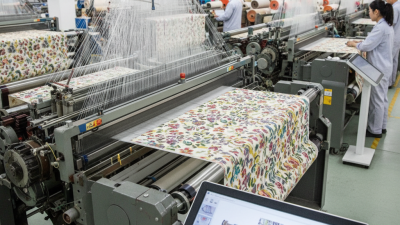
A Jacquard pattern begins as a map of which warp threads should rise for each row of the design. On a modern loom, a digital file sends those instructions to the selection system. At each pick, some threads rise while others stay down. That opening is called the shed. A rapier or shuttle carries the weft through it, and the next selection changes the surface. Small choices matter. Long warp floats can make a motif look bold, but they may snag more easily. That trade-off can be hard to judge on a screen. Older looms used punched cards; electronic systems now read pattern data directly. Neither removes the need to manage threading, tension, and repeat alignment.

The wider production context is substantial: Textile Exchange’s Materials Market Report 2024 estimates that global fiber production reached 124 million tonnes in 2023, up from 116 million tonnes in 2022. This is not a measure of Jacquard production, but it shows the scale of the textile materials supply chain. Before a full run, a designer can inspect a weave sample, check its reverse, and adjust density or float length. Even a small repeat error can move a border by several picks. The machine does not supply taste. It follows instructions, and a complex file can still produce stiff, muddy cloth when yarn size and weave structure do not work together.

Close
Go top
Translate »