China Top Rib Knitting Machine Suppliers for Global Buyers

China has become a major sourcing destination for global buyers seeking reliable textile machinery. Among these options, the rib knitting machine supports the production of cuffs, waistbands, collars, and tubular fabric. These components appear in sportswear, underwear, sweaters, and everyday garments. Choosing the right supplier requires more than comparing online prices. It involves examining machine structure, needle quality, gauge range, production speed, control systems, and maintenance support.

Small details matter. A stable cylinder, accurate yarn tension, and responsive electronic controls can influence fabric consistency during long production runs. Experienced Chinese manufacturers may offer customized configurations for different yarns, fabric weights, and factory layouts. Buyers should request clear technical specifications, sample fabrics, installation guidance, and documented testing procedures. Ask for evidence.

Supplier evaluation should also include communication quality and after-sales service. A dependable company explains limitations instead of promising impossible output. It can provide spare-part lists, operator training, troubleshooting support, and realistic delivery schedules. Factory videos are useful, but they do not replace independent verification or a direct technical discussion. This point is often overlooked.

No supplier fits every production plan. A low purchase price may create higher costs through downtime, difficult maintenance, or unavailable components. Global buyers should compare the complete ownership experience, including shipping, commissioning, warranty terms, and local service arrangements. This guide examines leading China rib knitting machine suppliers through practical sourcing criteria, technical capability, export experience, and buyer feedback. Some information may change over time, so careful confirmation remains necessary before placing an order.

China Top Rib Knitting Machine Suppliers for Global Buyers

What Is a Rib Knitting Machine and How Does It Work?

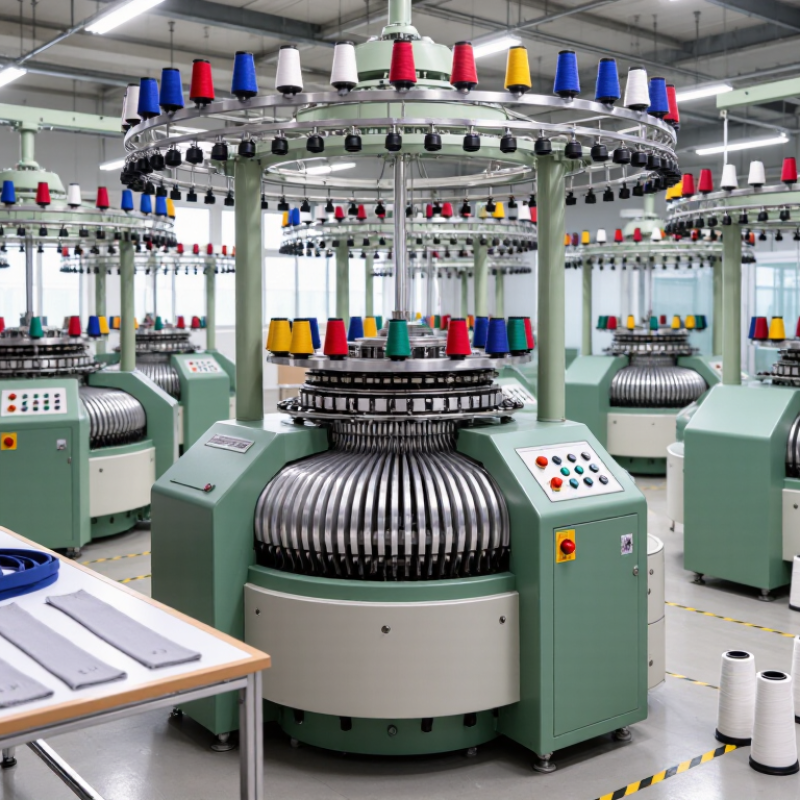
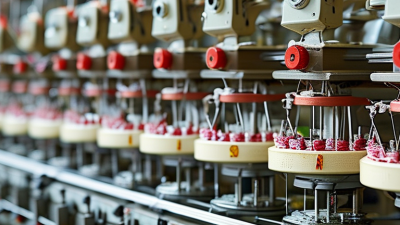
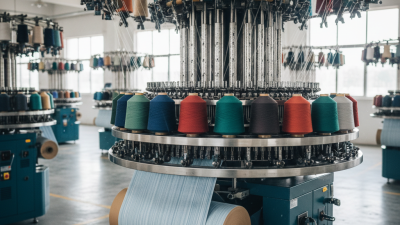
A rib knitting machine produces elastic, reversible fabrics through two needle beds: a cylinder and a dial. Needles on both beds work at selected intervals, creating knit and purl stitches. This structure lets the fabric stretch across the width and recover its shape. Common rib patterns include 1x1 and 2x2, where knit and purl columns alternate. The machine feeds yarn continuously while cams control needle movement. That timing matters. A small setting error can cause dropped stitches, uneven ribs, or visible lines. Operators adjust yarn tension, take-down pressure, stitch length, and machine speed. Fabric weight and recovery change with every adjustment. It is not merely a faster sewing process.

For global buyers comparing Chinese suppliers, understanding this mechanism improves technical communication. Ask for the cylinder diameter, gauge, feeder quantity, yarn range, and supported rib structures. A professional supplier should explain these details clearly. Request sample fabric made with your intended yarn. Cotton, wool blends, and synthetic yarns may behave differently under identical settings. Check edge stability, loop uniformity, surface faults, and recovery after repeated stretching. During inspection, record the machine’s actual speed instead of trusting only catalogue figures. Production teams sometimes find promising samples fail when tension control changes during bulk manufacturing. That risk is easy to overlook. Buyers should review test records, maintenance guidance, and operator training before placing an order. Independent verification still matters.

Why China Is a Major Source of Rib Knitting Machines

China Top Rib Knitting Machine Suppliers for Global Buyers

Why China Is a Major Source of Rib Knitting Machines

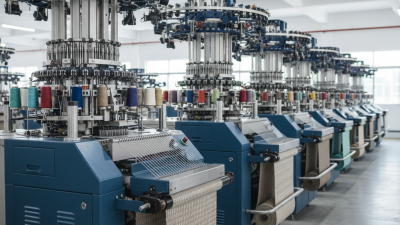
China has become a major source of rib knitting machines because its textile supply chain is unusually complete. Casting, CNC machining, electronic control, and needle production often operate within connected industrial regions. This proximity can shorten procurement time and simplify technical communication. It also supports practical customization, such as altered cylinder sizes, stitch settings, or fabric widths.

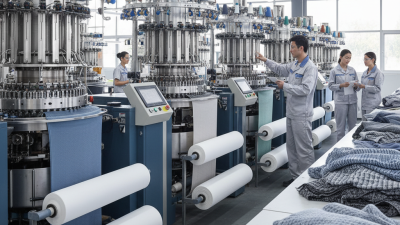
Experienced suppliers usually provide machine testing, spare-part lists, operating videos, and installation guidance before shipment. A serious buyer should request sample fabric made from the intended yarn. Examine rib definition, loop consistency, noise, and oil marks. Ask for measured output, not only catalogue claims. Factory audits can reveal assembly discipline, calibration methods, and storage conditions. These details matter more than polished sales language.

Tips: Compare at least three suppliers. Confirm voltage, gauge, delivery terms, warranty coverage, and response times in writing. Ask how quickly common needles and sinkers can be replaced. Keep a test record during acceptance. Small gaps may appear after installation, and that is normal; ignoring them is not. China offers strong value, but quality still depends on supplier selection, inspection, and clear communication.

China Top Rib Knitting Machine Suppliers for Global Buyers

China is a major source of rib knitting machines because its textile machinery sector combines large-scale manufacturing, broad customization capability, integrated component supply, and export-oriented production. The chart shows the repeat positions used in common rib structures, helping buyers understand the pattern flexibility supported by two-bed rib knitting technology.

Data basis: A rib repeat contains one front-bed and one back-bed needle position for each paired wale. Therefore, a 1×1 repeat has 2 positions, a 2×2 repeat has 4, and so on. These are technical repeat values, not company rankings, market-share figures, or production volumes.

How to Identify Leading Chinese Rib Knitting Machine Suppliers

China Top Rib Knitting Machine Suppliers for Global Buyers

How to Identify Leading Chinese Rib Knitting Machine Suppliers

A reliable supplier should explain machine performance in practical terms, not only present polished catalogues. Ask about cylinder diameter, needle gauge, feeding systems, and compatible yarn ranges. Request a live video test with rib structures similar to your production needs. Watch the fabric leave the machine. Uneven loops, vibration, or delayed carriage movement deserve attention.

Factory evidence matters. Review production lines, assembly areas, inspection records, and spare-parts storage through an audit or video call. A capable supplier should provide installation guidance, operator training, maintenance schedules, and clear response times. Check whether quality documents match your destination market. Export experience is useful, but it does not replace technical proof.

Ask for a written quotation with motor details, output estimates, delivery terms, warranty limits, and included accessories. Compare machine specifications line by line. Some sellers quote attractive prices while excluding essential feeders or control components. That mistake can become expensive. No checklist is perfect. A supplier may pass a remote inspection yet fail under continuous production. A small paid trial can reveal heat buildup, fabric distortion, or slow support. Keep records of every answer, because vague promises are difficult to verify later.

China Top Rib Knitting Machine Suppliers for Global Buyers - How to Identify Leading Chinese Rib Knitting Machine Suppliers
Evaluation Dimension Practical Benchmark Documents or Tests to Request Buyer Risk Signal
Rib Machine Configuration The supplier should clearly specify cylinder diameter, needle count, machine gauge, feeder count, knitting system and applicable fabric structures. Request a complete technical datasheet and confirm whether the machine is designed for 1x1 rib, 2x2 rib, interlock-related structures or other specified constructions. High risk
Only general product photos are provided without model-specific specifications.
Gauge Selection Common circular rib machine gauges generally cover fine, medium and coarse fabric applications; the exact range must match the target yarn and fabric weight. Ask for the available gauge options, needle brand compatibility, recommended yarn count range and sample fabric produced at each gauge. Check carefully
The supplier promises one gauge for unrelated yarn counts and fabric types.
Cylinder Diameter Commercial circular rib machines are commonly offered in diameters approximately from 14 to 44 inches, depending on the intended fabric width and application. Confirm finished fabric width, usable knitting width, diameter tolerance and whether the stated width is tubular or open-width after processing. High risk
Finished width is quoted without identifying the machine diameter or fabric relaxation condition.
Production Performance Actual output depends on gauge, diameter, feeder count, stitch length, yarn, fabric structure and operating speed; theoretical output should not be treated as guaranteed output. Request a factory test report showing machine speed, stitch length, fabric weight, running hours, output per 24 hours and fabric defect rate. High risk
Only a maximum speed is advertised without a production sample or operating conditions.
Fabric Quality Stability A capable machine should maintain stable stitch length, fabric weight, loop formation and edge appearance during continuous operation. Review sample rolls, GSM test results, stitch-length records, roll-to-roll consistency data and inspection reports from a witnessed trial. Check carefully
Samples are supplied without test conditions, production date or inspection records.
Control and Monitoring System Essential controls normally include speed adjustment, stitch-length adjustment, yarn-break detection, needle or stop-motion monitoring and an operator interface. Request a control-panel demonstration, alarm list, electrical diagram, language options, parameter backup method and user manual. High risk
Important functions are controlled manually but are not documented in the quotation.
Needle and Spare-Part Support Wear parts should be identified by part number, material and replacement interval, with a practical spare-parts list supplied before shipment. Obtain a 12-month recommended spare-parts list, price validity, lead times, interchangeable-part information and packing details. Check carefully
Replacement parts are available only through informal messages or have no clear part numbering.
Factory Quality Control A reliable manufacturer should use documented incoming inspection, assembly checks, electrical safety checks, trial running and final inspection. Request quality-control procedures, inspection checklists, calibration records, serial-number tracking and photographs or videos of final testing. High risk
No acceptance checklist or commissioning record is available.
Export Documentation International shipments normally require a commercial invoice, packing list, transport document, product description and appropriate customs information. Confirm export experience, HS-code support, wooden-case treatment documents where applicable, electrical documentation and installation instructions in English. Check carefully
The supplier cannot provide a consistent document list before payment.
Electrical Compatibility The machine must match the destination country's voltage, frequency, phase configuration, plug arrangement and local safety requirements. Provide the destination electrical data and request a written confirmation covering voltage, frequency, motor rating, control cabinet and protective devices. High risk
Electrical specifications are left as “standard” without a written definition.
Factory Acceptance Test A pre-shipment test should run the ordered machine with the agreed yarn and fabric structure for a defined period. Use a signed acceptance protocol covering speed, fabric weight, width, appearance, alarms, accessories, spare parts and unresolved issues. High risk
The supplier refuses a video inspection, sample test or independent pre-shipment inspection.
Installation and Training Professional suppliers should define whether installation is remote or on-site and specify training scope, duration, operator requirements and travel costs. Request an installation plan, training agenda, commissioning checklist, troubleshooting guide and post-installation support process. Check carefully
Training is mentioned verbally but excluded from the commercial quotation.
Warranty Terms The quotation should state warranty duration, covered components, exclusions, response time, freight responsibility and remedy procedure. Ask for the complete warranty document and examples of how defective parts, remote diagnosis and replacement shipments are handled. High risk
Warranty coverage is described only as “one year” without defining parts and responsibilities.
Supplier Verification A qualified buyer should verify the legal business identity, manufacturing address, production capability and consistency between the seller and the actual factory. Review business registration information, factory video or live audit, production-line photographs, export records where available and signed company documents. High risk
The beneficiary account, contract entity and factory identity do not match without a documented explanation.
Commercial Comparison Compare total landed cost rather than machine price alone, including tooling, spare parts, packaging, freight, installation, taxes and commissioning. Use a standardized RFQ covering machine configuration, accessories, delivery term, payment schedule, production lead time and after-sales service. Check carefully
A low initial price excludes essential feeders, sensors, tooling or commissioning services.
All benchmarks are general buyer-screening guidelines for circular rib knitting machines. Confirm the exact specification, output and compliance requirements for the selected configuration before placing an order.

How to Compare Machine Models, Prices, and Production Capacity

Choosing China-based rib knitting machine suppliers requires more than comparing headline prices. Start with the fabric specification, including rib width, yarn type, gauge, and target output. A 12-gauge model may suit fine garments, while heavier fabrics need different needle arrangements. Ask each supplier for a complete model sheet, not a sales summary. Check cylinder diameter, knitting speed, feeding systems, automation, and power requirements.

Tips: Request a sample run using your actual yarn. Measure fabric weight, stretch recovery, loop consistency, and machine noise. Compare hourly output under realistic settings. Advertised capacity often reflects ideal conditions. A factory may quote 35 kilograms daily, but maintenance and yarn changes can reduce usable production. Include spare parts, installation, training, warranty coverage, and delivery terms in every quotation. The lowest price is rarely the lowest operating cost.

Visit the production site virtually or in person when possible. Review assembly quality, testing records, technician experience, and recent export experience. Ask for references from buyers with similar fabric requirements. Production capacity also matters at the supplier level. A small workshop may offer attention, but delayed parts can interrupt your schedule. A larger manufacturer may provide stronger support, though communication can feel less personal. Do not ignore that trade-off. Compare at least three proposals using the same checklist, then test one machine before making a wider purchase.

What Global Buyers Should Check Before Placing an Order

Before ordering a rib knitting machine, global buyers should verify production evidence, not only catalogue promises. Textile Exchange’s Materials Market Report 2024 estimates global fiber production reached 124 million tonnes in 2023. This scale increases pressure for stable quality, lower waste, and flexible fabric development. Ask for recent samples using your yarn, target gauge, diameter, stitch density, and elastane percentage. A beautiful showroom sample proves very little.

Tips: Request a video of the machine running continuously. Check fabric rolls, needle movement, noise, and oil control. Ask for test results, machine tolerances, and a written acceptance standard. Keep every requirement in the purchase contract. Verbal promises are weak protection.

Review the supplier’s technical depth before comparing prices. Confirm feeder configuration, spare needle availability, control-system language, power requirements, and operator training. The International Textile Machinery Federation regularly reports shipment and investment trends, showing how quickly textile equipment markets can change. Buyers should therefore check delivery records from the past two years, service response times, and parts availability in their region. ISO 9001 certification can support process reliability, but it does not replace a factory audit. Ask to inspect assembly areas and quality records.

One detail is often missed: fabric testing after installation. Measure weight, width, recovery, spirality, and defects from several rolls. A machine may run smoothly yet produce inconsistent rib structure. That uncomfortable finding can save months of rework.

Review local electrical, safety, labeling, and import requirements before payment. Suppliers should provide manuals, conformity documents, packing details, and a clear warranty scope. Low price matters, but downtime costs more.

Close
Go top
Translate »