China Top Rib Machine Manufacturers for Global Buyers
Choosing reliable rib machine manufacturers in China requires more than comparing prices and catalog photos. Global buyers need equipment that performs consistently across production shifts, materials, and operating conditions. This guide examines manufacturers through practical factors, including forming accuracy, machine structure, automation options, maintenance support, and export experience.
A dependable supplier should explain its machine clearly. Buyers should ask about steel grades, roller design, motor brands, control systems, and maximum panel dimensions. Factory videos help, but an on-site inspection or live trial provides stronger evidence. Watch the machine produce a ribbed panel. Check edge alignment, surface finish, noise levels, and changeover time. Small details often reveal manufacturing discipline.
Top does not always mean the largest company. It may mean the best fit for a specific project. A manufacturer serving roofing contractors may not suit a high-volume steel processor. Request sample profiles, inspection records, warranty terms, spare-parts lists, and installation guidance. Confirm voltage, language support, packaging methods, and delivery responsibilities before signing any agreement.
No supplier ranking is flawless. Product lines change. Service quality can vary by region. Some performance claims also need independent verification. Buyers should compare at least three factories and document every technical promise. A trustworthy rib machine manufacturer welcomes detailed questions and accepts reasonable testing standards. That attitude matters when the equipment reaches a distant production floor, where fast support may be difficult to arrange. Careful selection reduces risk, but it cannot remove every uncertainty. Good sourcing leaves room for verification.
Understanding Rib Machines and Their Industrial Applications
China Top Rib Machine Manufacturers for Global Buyers
Understanding Rib Machines and Their Industrial Applications
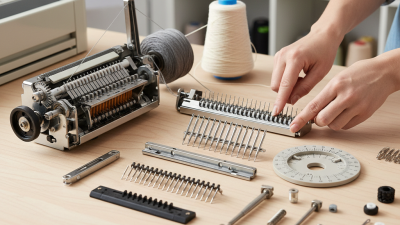
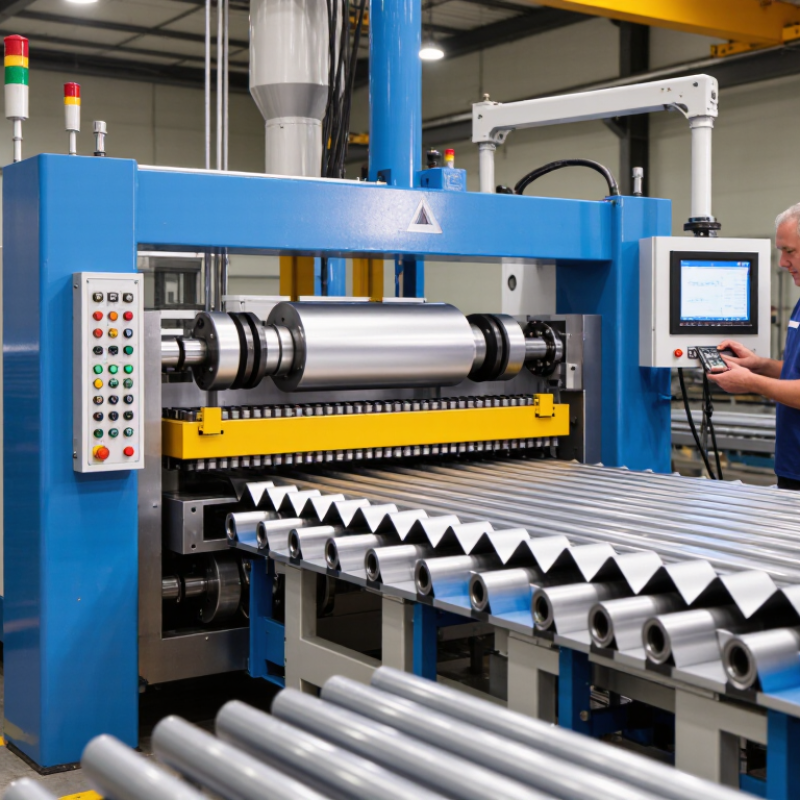
Rib machines form reinforced patterns on metal sheets, wire, or mesh materials. These ribs improve stiffness without adding excessive weight. Common systems use rollers, forming dies, cutting units, and controlled feeding mechanisms. Operators adjust pressure, spacing, speed, and material thickness for different production needs.
These machines support construction panels, ventilation ducts, storage equipment, automotive parts, and industrial enclosures. For example, a ribbed sheet can resist bending better during transportation and installation. Some models handle galvanized steel, stainless steel, or aluminum. Each material reacts differently, so production trials remain important. A machine may perform well in testing but struggle during continuous operation.
Experienced buyers should inspect forming accuracy, line stability, motor capacity, and changeover time. Ask for sample measurements, not only catalog claims. Check whether the control system records faults and production data. Safety guards, emergency stops, and accessible maintenance points also matter. Small design details often affect long-term productivity.
Tips: Match the machine to your material, rib profile, thickness range, and daily output. Request real samples before purchasing. Keep spare rollers available. Even reliable equipment needs regular alignment checks.
Key Criteria for Evaluating Chinese Rib Machine Manufacturers
China Top Rib Machine Manufacturers for Global Buyers
When evaluating Chinese rib machine manufacturers, production evidence matters more than polished catalogs. The World Steel Association reported 1,882.6 million tonnes of global crude steel output in 2024. China produced about 1,005 million tonnes. This scale supports strong manufacturing experience, but it does not guarantee machine quality.
Check the machine’s rib height, pitch consistency, bar diameter range, and stated output speed. Ask for measured samples from a recent production run. Request motor efficiency data, bearing specifications, and a complete electrical component list. A reliable supplier should provide inspection records, factory acceptance testing, and traceable material certificates. ISO 9001 certification can indicate process discipline, yet the ISO Survey 2022 recorded over 1.2 million certificates worldwide. Certification alone is not proof of stable performance.
Tips: Compare test results, not promises. Send your actual steel grade and target dimensions before requesting a quotation. Confirm installation support, spare-part availability, operator training, and response times in writing. Ask for two export references with similar production requirements. A video test is useful, but it can hide noise, vibration, or adjustment delays. An on-site audit is stronger. No checklist is perfect. Reconsider suppliers that avoid clear tolerance data or refuse a witnessed trial.
Leading China-Based Rib Machine Manufacturers for International Buyers
China-based rib machine manufacturers serve international buyers across construction steel, wire processing, and component production. The World Steel Association’s World Steel in Figures 2024 reports that China produced about 1.019 billion tonnes of crude steel in 2023, nearly 54% of global output. This industrial scale supports broad supplier networks, faster access to spare parts, and practical customization for different rib profiles.
A reliable buyer should examine more than rated speed. Check compatible wire diameters, rib height tolerance, motor efficiency, cooling design, and real production footage. ISO 9001 certification can support process control, but it does not replace an independent factory audit. Request sample ribs from your own raw material. Measure spacing, surface consistency, and tensile performance. Small deviations can create serious downstream problems.
Energy use deserves closer attention. The International Energy Agency identifies steel production as a major industrial source of global carbon emissions, so efficient drives and reduced scrap matter financially and environmentally. Ask manufacturers for measured power consumption, not estimates. No brochure replaces a witnessed test. Some suppliers respond quickly but provide incomplete technical records. That is a warning, though not always a rejection point. A clear contract should define acceptance tolerances, delivery terms, training, electrical standards, and spare-part availability for the destination country. Supplier comparisons remain imperfect when testing conditions differ.
China Rib Machine Manufacturers: Gauge Reference for Global Buyers
Common circular rib knitting machine gauges expressed as needles per inch
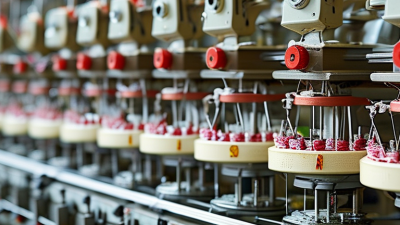
Machine gauge indicates the number of needles arranged across one inch of the cylinder. Lower gauges generally support heavier yarns and coarser rib structures, while higher gauges are typically used for finer fabrics. Buyers should also compare cylinder diameter, feeder configuration, knitting speed, automation level, and compatibility with the intended yarn.
Manufacturing Standards, Customization, and Quality Control
For global buyers, selecting a top rib machine manufacturer in China requires more than comparing prices. Reliable factories document steel grades, welding procedures, electrical components, and load limits for each model. Many operate under ISO 9001 quality systems, but certification should be checked through current documents and audit records. Ask for production photos, calibration dates, and traceable batch numbers. Small details matter.
Customization should begin with application data, not a catalogue image. Share rib diameter, pitch, material thickness, coil width, line speed, voltage, and workshop space. Engineers can then adjust forming stands, cutting units, guides, and control settings. A dependable supplier provides drawings before fabrication and confirms tolerances in writing. Trial production is essential. Measure finished ribs with gauges, calipers, and sample coils. Some buyers skip this step to save time. That choice can create expensive rework.
Quality control should cover incoming steel, machining, assembly, wiring, and final running tests. Inspectors should record shaft alignment, roller surfaces, emergency stops, and noise levels. Request a video of continuous operation, not only polished close-ups. Packaging also deserves attention; sealed electrical cabinets and reinforced crates reduce transit damage. No inspection plan is perfect. During commissioning, even a well-built machine can lose accuracy after rushed installation. Clear manuals, spare-part lists, remote support, and operator training improve reliability. Buyers should still verify performance against agreed acceptance criteria before shipment.
Export Services, Pricing Factors, and Supplier Selection Steps
China Top Rib Machine Manufacturers for Global Buyers
Reliable rib machine suppliers usually provide more than a polished catalog. They should explain cutting capacity, product dimensions, stainless-steel grades, blade maintenance, and electrical requirements.
Export support may include factory testing, wooden-crate packing, commercial invoices, packing lists, and shipping coordination. Ask whether manuals are available in clear English. Confirm remote installation assistance, spare-part delivery times, and warranty coverage before payment.
Pricing depends on throughput, automation, frame material, cutting precision, and customization. A basic machine may cost less, but labor and maintenance can raise its long-term expense. Freight, insurance, import duties, voltage conversion, and destination-port charges also affect the final budget.
Request a detailed quotation with Incoterms and excluded costs. A low quote can look attractive. It may hide important omissions.
Supplier selection should begin with technical requirements, including hourly output and rib size.
Request videos, test samples, factory audit records, and recent export references. Check weld quality, safety guards, emergency stops, and cleaning access during a live inspection. Ask for a factory acceptance test using your actual product.
No checklist is perfect. Leave time for corrections, because small details can become expensive after shipment.
A written contract should define tolerances, delivery dates, payment stages, installation duties, and after-sales response times. Reliable communication matters as much as machine performance.