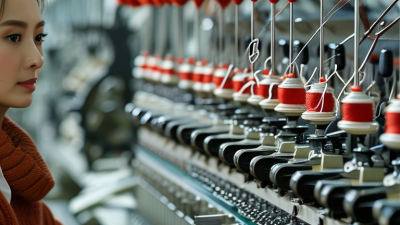
Choosing China’s top custom knitting machine manufacturer requires more than comparing catalog prices. A reliable supplier should understand yarn behavior, fabric structure, production speed, and the buyer’s actual workflow. China has developed strong manufacturing capabilities in computerized knitting equipment, including flat knitting, circular knitting, and specialized textile systems. Still, “top” depends on the application.
An experienced manufacturer can discuss gauge selection, needle configuration, carriage movement, control software, and maintenance access in practical terms. Ask for sample fabrics before approving a machine. A knitted panel under real production conditions can reveal tension problems, uneven stitches, or slow pattern changes. Factory experience matters here. It often appears in small details, such as clean wiring, labeled components, stable machine frames, and clear operating instructions.
Technical credibility should be supported by factory audits, documented quality checks, export experience, and responsive service. A serious supplier should explain installation, operator training, spare parts, warranty coverage, and software updates without vague promises. The best custom knitting machine is not always the most advanced model. It should match the required fabric, workload, budget, and skill level.
Some evaluations remain imperfect. Product demonstrations may use ideal yarn and carefully prepared settings. Real workshops are less predictable. Buyers should test several materials and request transparent performance data. A careful decision combines supplier expertise, machine evidence, and long-term communication. That approach offers a more dependable path toward identifying China’s right custom knitting machine manufacturer.
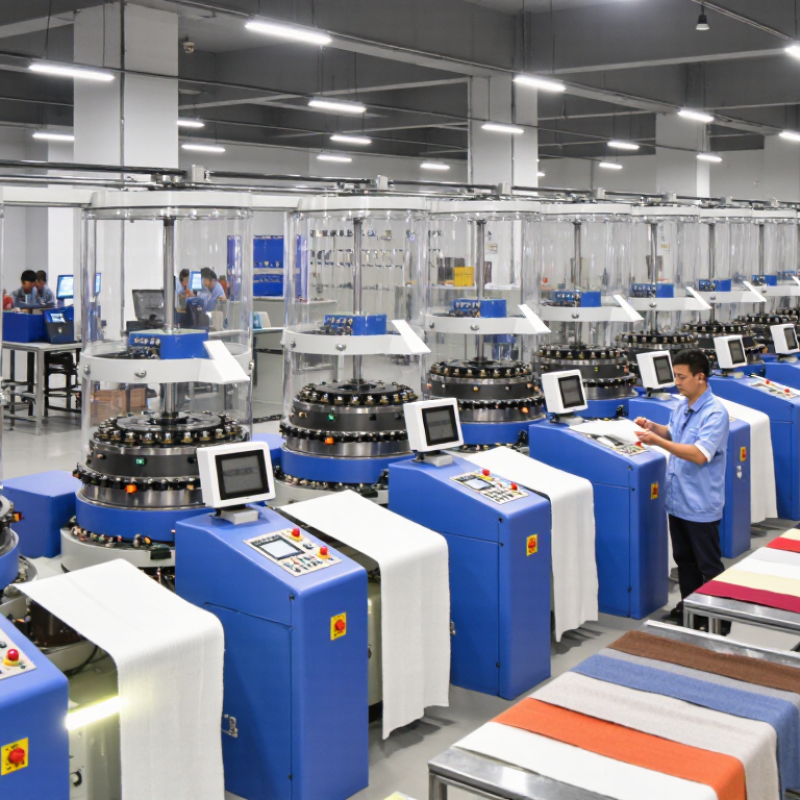
China’s custom knitting machine manufacturing industry serves apparel, home textiles, footwear, and technical fabric producers. A capable manufacturer does more than assemble frames and motors. It converts fabric specifications into needle arrangements, gauge options, feeding systems, and control settings.
The process often starts with a sample swatch. Engineers examine yarn thickness, elasticity, stitch density, and production speed. They may then create a small trial machine or modify an existing platform. Clear drawings, material records, and testing reports improve reliability. However, custom work is rarely perfect on the first attempt. Some fabrics curl, stretch unevenly, or produce unstable edges during testing. That limitation should be discussed openly.
Experienced factories usually maintain machining, electrical assembly, software testing, and final inspection teams. Practical quality checks include needle movement, lubrication points, noise levels, temperature, and continuous operation. Buyers should request sample results under realistic conditions, not only polished showroom demonstrations. A detailed service process also matters. It may cover installation guidance, operator training, spare parts, and response times.
Technical authority comes from evidence. Ask about engineering qualifications, inspection equipment, production records, and experience with similar yarns. Reliable communication is equally important, especially when specifications change. A low initial price can hide expensive adjustments later. Even a strong manufacturer may need feedback from the buyer’s production floor. Real cooperation begins there.
Knitting machine gauge represents the number of needles per inch. The needle pitch is calculated using the standard formula 25.4 ÷ gauge, where 25.4 is the number of millimeters in one inch. Finer gauges support lightweight and detailed fabrics, while coarser gauges are generally used for thicker knitted structures. These specifications are common reference points when developing customized knitting equipment.
China produces several key types of custom knitting machines for different textile applications. Flat-bed knitting machines create shaped panels, collars, cuffs, and complete garments with precise stitch control. Circular knitting machines efficiently produce tubular fabrics for T-shirts, sportswear, underwear, and seamless products. Warp knitting machines suit stable, lightweight fabrics used in mesh, lining, and technical textiles.
Computerized jacquard machines add detailed patterns through programmable needle selection. Some factories also develop dedicated machines for socks, gloves, footwear uppers, and narrow fabrics. In practical sourcing work, buyers should compare gauge, working width, knitting speed, yarn compatibility, and control-system functions. A machine may look advanced but still perform poorly with delicate yarns. This is often overlooked.
Tips: Request knitted samples using your actual yarn. Check stitch consistency, noise, power consumption, and maintenance access. Ask for test records, operator training, spare-part support, and a clear acceptance standard. Do not judge only by catalog speed. Real production speed depends on pattern complexity, yarn tension, and operator skill. Small details matter. A factory visit or live video test can reveal uneven feeding, vibration, or slow pattern changes. Independent inspection is also useful. Some specifications may need revision after testing, and that is normal for a serious custom project.
China’s leading custom knitting machine manufacturers develop solutions through close, practical cooperation with users. Development usually starts with the fabric’s purpose, yarn type, gauge, width, and required output. Engineers then study sample fabrics and production conditions before proposing a machine structure. Small details matter. An unsuitable yarn path can create uneven tension, broken threads, or slow operation.
Experienced teams normally build a trial unit or modify an existing platform. They test needle movement, carriage stability, electronic control, and fabric consistency under repeated workloads. Operators should join these trials because factory habits often reveal problems that drawings miss. A machine may run well for one hour, then show heat buildup or difficult cleaning after a longer shift. That difference deserves attention.
Reliable manufacturers provide clear technical records, including test results, maintenance procedures, spare-part specifications, and operator training materials. They also discuss installation conditions and applicable safety requirements before shipment. The first sample is rarely perfect. Adjustments to software settings, yarn feeding, or needle selection may still be necessary. One practical weakness is that development can take longer when requirements change midway. Honest communication helps control that risk. Buyers should request measurable acceptance criteria, production samples, and a response process for faults. This makes a custom knitting solution easier to evaluate and improve.
China Top Custom Knitting Machine Manufacturer?
A top manufacturer should prove more than low pricing. Its engineering team must explain needle selection, gauge options, carriage stability, and fabric limits clearly. Ask for test records, not polished promises. During a factory visit, inspect machining tolerance, wiring labels, lubrication points, and final assembly checks. Small details matter.
Customization should begin with your fabric sample. The supplier should run trials using your yarn, stitch density, and production speed. Request dated samples and measured results. Review output consistency across several hours. One attractive sample proves little. A reliable manufacturer documents corrective actions when a test fails. That honesty is valuable, though not always convenient.
Quality systems need traceability from purchased components to shipment. Check calibration records, software change control, operator training, and spare-part availability. Independent audits or recognized certifications can strengthen confidence, but certificates alone are insufficient. Speak with technical staff and existing users where possible. After-sales support should include installation guidance, remote diagnostics, response targets, and clear warranty terms. No factory is flawless. Question vague delivery dates, unexplained specification changes, and unusually generous performance claims. Keep these records beside the machine’s trial results.
A dependable custom knitting machine manufacturer should show production quality through measurable details. Ask for stitch consistency records, needle-bed inspection reports, and sample fabrics from your target yarn. During factory visits, observe assembly areas, wiring protection, and machine testing. Stable tension matters. Small errors can create visible fabric lines after long production runs. A serious manufacturer should also explain its inspection process, not only display finished equipment. No factory is flawless, but transparent records reveal how problems are handled.
Technical support should continue after shipment. Useful support includes installation guidance, operating manuals, video training, troubleshooting charts, and access to trained engineers. Ask how quickly technical questions receive replies. Spare needles, sensors, and commonly used parts should be clearly listed. Remote diagnosis can reduce downtime, although it cannot replace skilled maintenance on complex failures.
I have found that unclear responsibility causes more delays than machine defects. Export service also deserves careful review. The supplier should support accurate documentation, protective crating, loading photos, and shipping coordination. Confirm whether manuals, labels, and electrical settings match your destination. A missed detail can delay installation for days. Reliable cooperation is built through evidence, clear communication, and realistic promises.