The 2026 jersey knitting machine market is becoming more specialized, flexible, and data-driven. Apparel manufacturers now demand softer fabrics, faster sampling, and stable quality across shorter production runs. A single machine rarely solves every requirement.
Textile Exchange’s Materials Market Report 2024 reported approximately 124 million tonnes of global fiber production in 2023. The report also projects continued growth toward 2030. This expanding material base supports demand for efficient knitting equipment, but fiber growth alone does not prove machine-market growth. That distinction matters.
The International Textile Machinery Federation’s ITMF International Textile Machinery Shipment Statistics tracks investment trends across circular and flat knitting equipment. Its latest reports show that textile machinery investment responds strongly to regional demand, financing conditions, and factory modernization. Therefore, a global “top” machine cannot be selected by speed alone.
This guide compares the leading 2026 types, including single jersey circular machines, double jersey and interlock machines, rib machines, jacquard systems, and computerized flat knitting machines. It examines gauge, cylinder diameter, feeder count, pattern control, energy use, maintenance, and fabric consistency. Small details matter. A worn sinker can leave visible vertical lines across a finished roll.
Real factory experience also challenges simple rankings. The fastest machine may waste more yarn during changeovers. The most automated model may require expensive technical support. Even published efficiency figures can vary by fabric, operator skill, and maintenance discipline.
No ranking is universally correct. This article offers a practical framework for matching each jersey knitting machine type with production volume, fabric structure, budget, and long-term reliability.
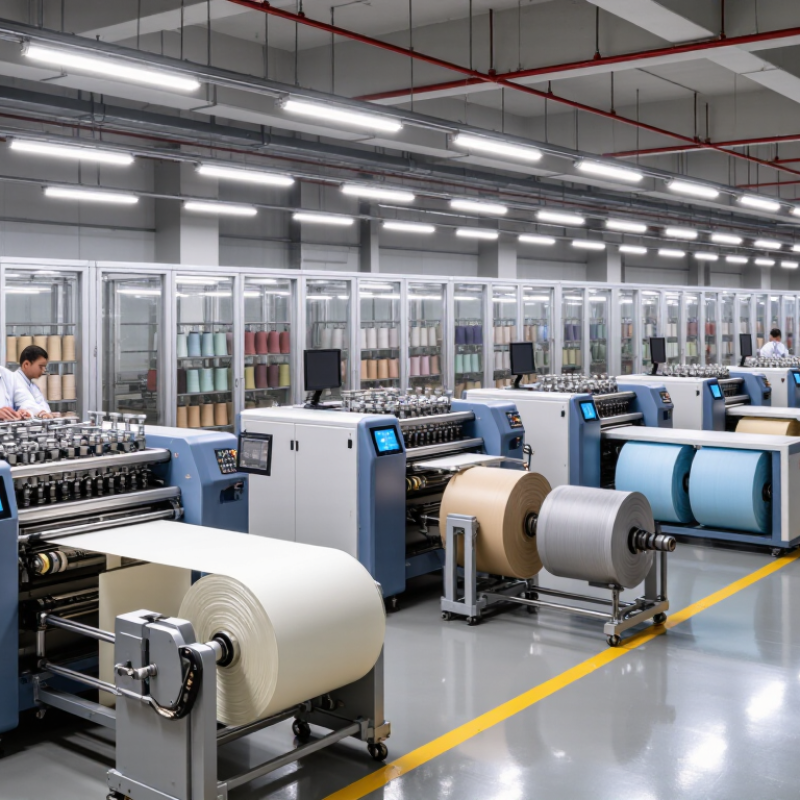
Jersey knitting machines create knitted fabric by forming interlocking loops from continuous yarn. Unlike woven equipment, they build stretch through loop structure, making jersey suitable for T-shirts, sportswear, underwear, and lightweight layers. In 2026, the main choices include single jersey circular machines, double jersey circular machines, and flatbed machines. Each type serves a different production need.
A single jersey circular machine uses one needle cylinder and produces a lighter, flexible fabric with a smooth face and looped back.
A double jersey machine uses two needle beds, creating denser fabrics with better stability and reversible textures.
Flatbed machines move needles across a straight bed, supporting shaped panels, collars, cuffs, and small-batch development.
Core functions include yarn feeding, needle selection, loop formation, fabric take-down, and tension control. Digital settings improve repeatability, but skilled operators still matter. Small tension changes can alter fabric width.
Tips: Check the machine gauge, cylinder diameter, feeder count, and compatible yarn before purchasing. Test a fabric sample under washing and stretching conditions. Measure stitch density manually, too. Software can miss practical defects.
From factory trials, the most reliable results come from matching machine structure with the final garment. A fine-gauge flatbed may create clean details but work slowly. A circular machine offers higher output, yet it may limit complex shaping. This trade-off is easy to underestimate. Waste control also deserves attention, especially when changing yarns or patterns.
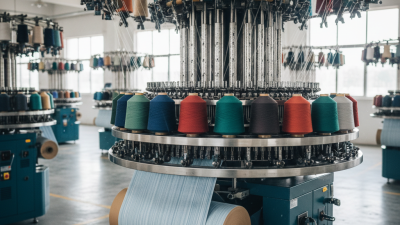
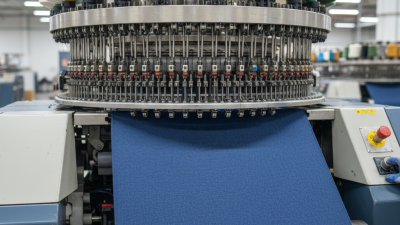
Circular jersey knitting machines are central to tubular fabric production in 2026. Their continuous cylinder motion creates fabric without side seams, reducing cutting waste and handling time. Single-jersey machines produce lightweight materials for T-shirts, sportswear, and breathable inner layers. Double-jersey machines offer greater thickness, stability, and surface control. Rib and interlock configurations support stretchable cuffs, fitted garments, and premium everyday fabrics.
That choice matters. A 30-inch cylinder can deliver wide fabric rolls for efficient cutting. A finer gauge creates smoother surfaces, but it also demands cleaner yarn and careful needle maintenance. Production teams should match machine diameter, gauge, yarn count, and fabric weight before installation. A mismatch can cause uneven loops, edge curling, or excessive downtime.
Reliable output depends on more than machine speed. Operators monitor yarn tension, take-down pressure, cylinder temperature, and lubrication during each shift. A small tension drift can create visible vertical lines across the fabric. The roll may look acceptable at first. It may fail after washing. Regular inspection under strong, even lighting helps reveal flaws early. Automation improves consistency, yet human judgment still matters. Some settings need adjustment after humidity changes, and fixed recipes are not always perfect. That limitation deserves attention during production planning.
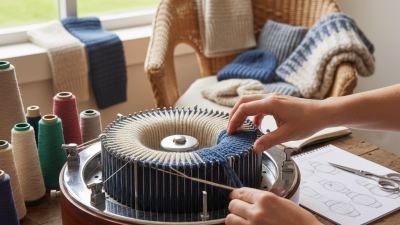
Flat jersey knitting machines are increasingly important for shaped and patterned garments in 2026. Unlike circular systems, their needles work across a flat bed, allowing precise width changes, neckline shaping, and engineered panels. Operators can program transfer, tuck, plating, and intarsia effects for sweaters, collars, cuffs, and tailored knit jackets.
The practical advantage appears during sampling. A carriage can reduce stitches near an armhole, then restore them gradually for a smoother curve. This limits cutting waste and keeps pattern alignment visible.
In production trials, yarn tension and gauge still decide the final result. A beautiful digital file cannot correct uneven feeding. Small swatches matter.
According to Textile Exchange’s Materials Market Report 2024, global fiber production reached about 124 million tonnes in 2023 and may approach 160 million tonnes by 2030. That growth increases pressure to use materials more efficiently. Flat knitting supports this goal through shaped panels and fewer sewing operations, although actual savings depend on machine settings, yarn type, and operator skill. The ITMF International Textile Machinery Shipment Statistics also tracks continuing investment in knitting equipment, reflecting manufacturers’ focus on flexible production. Yet automation is not effortless. Complex jacquard layouts can slow output, and poor programming may create visible tension lines. This is where experience remains essential. Test the garment, not only the software.
What Are the Top Jersey Knitting Machine Types in 2026?
Single-jersey and double-jersey machines remain the core choices for circular knitwear production. Single-jersey machines use one needle bed. They create lighter fabrics with a smooth face and a technical reverse side. This structure suits T-shirts, sports layers, and breathable underwear. Operators usually value simpler threading and lower yarn consumption. However, the fabric can curl at cut edges. That small detail can increase finishing work.
Double-jersey machines use two needle beds. They produce interlock, rib, and other balanced structures with better thickness and dimensional stability. These fabrics feel denser under the hand. They fit leggings, collars, winter base layers, and structured fashion garments. Double-jersey production often needs more needles, settings, and skilled adjustment. A minor timing error can create visible stripes or dropped stitches. It happens.
The International Textile Machinery Federation reported 28,983 large circular knitting machines shipped globally in 2023, a 17% decline from 2022. This suggests tighter investment decisions, not reduced technical demand. The 2024 Textile Exchange Materials Market Report found polyester represented about 57% of global fiber production in 2023. That supports continued interest in lightweight, moisture-managing jersey fabrics. Still, choosing the fastest machine is not always wise. Yarn behavior, gauge, fabric weight, and order size matter more than headline speed. In my experience, a well-calibrated single-jersey machine can outperform a more complex setup when fabric variety changes daily.
A practical comparison of the main circular knitting machine configurations used for jersey fabric production
| Comparison Dimension | Single-Jersey Machine Types | Double-Jersey Machine Types | Best-Fit Guidance |
|---|---|---|---|
| Needle-Bed Configuration | One needle cylinder forms the knitted structure. The machine is generally more compact and mechanically simpler. | Two needle beds, normally a cylinder and a dial, work together to create fabrics with two intermeshing needle systems. | Choose a single needle bed for simpler lightweight fabrics; choose two needle beds when structure, stability, or reversible surfaces are important. |
| Main Fabric Structures | Plain jersey, lightweight jersey, piqué variations, mesh, tuck structures, and selected plated or elastane fabrics. | Rib, interlock, double-knit, tuck, transfer, jacquard, and other thicker or more dimensionally stable structures. | The required fabric construction should determine the machine type before speed or automation is considered. |
| Typical Fabric Weight | Often approximately 80–220 g/m², depending on machine gauge, yarn count, stitch length, and finishing. | Often approximately 160–400 g/m², although fine-gauge double-knit fabrics can be lighter and specialty fabrics can be heavier. | Use single jersey for lighter apparel and lining applications; use double jersey for garments requiring more body and coverage. |
| Fabric Thickness and Cover | Usually thinner with a relatively open face and a clear front and back side. | Generally thicker and more opaque, with improved cover and a more balanced fabric appearance. | Double-jersey equipment is normally preferable when transparency reduction and fabric substance are priorities. |
| Stretch and Recovery | Good crosswise stretch; recovery depends strongly on yarn selection, elastane plating, stitch length, and finishing. | Rib structures provide high crosswise stretch, while interlock offers balanced stretch and better dimensional stability than basic jersey. | Select rib for strong stretch and recovery; select interlock for smoother, more stable two-sided fabric. |
| Common Machine Diameter Range | Common circular diameters are approximately 12–42 inches, with the useful range determined by product width and machine design. | Common circular diameters are approximately 12–40 inches, with larger or smaller configurations available for specialized products. | Machine diameter should match the required finished tube width, garment panel size, and fabric relaxation behavior. |
| Common Gauge Range | Typically about 7–44 needles per inch across different machine classes; coarse and fine gauges serve different yarn and fabric requirements. | Typically about 12–40 needles per inch for many rib and interlock applications, with the available range varying by machine construction. | Gauge must be matched to yarn size and target fabric density; a higher gauge generally supports finer yarns and finer fabrics. |
| Productivity Characteristics | Often offers high productivity for straightforward jersey constructions because the knitting system is comparatively simple. | Can provide efficient production of complex or heavier fabrics, but additional needle-bed interactions can increase setup and adjustment requirements. | Compare output by courses per minute, machine diameter, feeder count, stitch quality, and fabric specification rather than RPM alone. |
| Yarn and Material Compatibility | Suitable for cotton, polyester, viscose, synthetic blends, wool blends, elastane-plated yarns, and many specialty yarns. | Suitable for the same broad fiber groups, with yarn tension, friction, elasticity, and feeding accuracy becoming especially important in rib and interlock production. | For difficult or elastic materials, prioritize positive feeding, accurate tension control, and stable yarn-path design. |
| Typical Applications | T-shirts, underwear, sportswear, casualwear, lightweight tops, base layers, mesh panels, and knitted linings. | Rib cuffs and waistbands, polo fabrics, sweaters, leggings, structured sportswear, outerwear, underwear, and reversible double-knit garments. | Application, required hand feel, recovery, opacity, and garment weight are the key selection criteria. |
| Fabric Surface and Hand Feel | Soft, flexible, and lightweight; the face and back commonly have visibly different appearances. | Usually smoother and fuller, with a more balanced appearance; hand feel varies considerably between rib and interlock constructions. | Use samples and laboratory testing to confirm hand feel because fiber type and finishing can change the result substantially. |
| Dimensional Stability | More susceptible to edge curling, spirality, and growth if stitch balance, yarn selection, and finishing are not controlled. | Generally better dimensional stability, especially in interlock, although rib fabrics can relax and contract significantly. | For garments requiring shape retention, double jersey is often the safer starting point, subject to fabric testing. |
| Machine Complexity and Setup | Generally easier to configure, operate, and maintain for standard jersey production. | More adjustment points are involved, including cylinder-dial timing, needle selection, yarn feeding, and stitch synchronization. | Single jersey can reduce setup complexity; double jersey may justify the added complexity when product value or structure requires it. |
| Automation Priorities for 2026 | Electronic stitch control, yarn monitoring, elastane control, needle monitoring, automatic lubrication, and production-data connectivity. | All major single-jersey automation functions, plus precise cylinder-dial coordination, pattern control, transfer control, and more advanced fault detection. | When comparing modern equipment, assess repeatability, data visibility, quick style changeover, energy management, and operator safety. |
| Main Advantages | High versatility for lightweight fabrics, lower mechanical complexity, efficient operation, and broad apparel suitability. | Greater fabric substance, improved cover, broader structural options, and better potential stability in interlock constructions. | Neither type is universally superior; the best choice depends on the fabric structure and end use. |
| Main Limitations | Basic jersey can curl at the edges, show a stronger face/back difference, and require careful finishing for dimensional control. | Higher capital and maintenance complexity, longer setup requirements, and potentially greater sensitivity to timing and yarn-tension errors. | Include expected maintenance skill, spare-parts availability, operator training, and total operating cost in the purchasing decision. |
| Best Choice for 2026 Production | Best for manufacturers focused on lightweight, high-volume jersey fabrics and flexible apparel programs. | Best for manufacturers producing rib, interlock, thicker double-knit, structured, or premium fabrics with higher performance requirements. | A mixed fleet can provide the broadest product range when production demand includes both lightweight jersey and structured double-knit fabrics. |
Data note: The ranges shown are typical industry reference ranges rather than universal specifications. Actual performance depends on machine diameter, gauge, feeder configuration, yarn properties, stitch length, knitting speed, fabric design, operator settings, and finishing conditions.
Choosing a jersey knitting machine in 2026 starts with the fabric, not the machine’s advertised speed. Single-jersey circular machines suit lightweight T-shirts and sportswear. Double-jersey machines create denser interlock fabrics. Rib machines handle stretch panels, cuffs, and waistbands. Flat-bed machines support shaped pieces, sampling, and smaller production runs. Textile Exchange’s Materials Market Report 2024 estimates global fiber production reached 124 million tonnes in 2023. It may approach 160 million tonnes by 2030. This growth makes flexible machinery more valuable, especially when recycled and blended yarns behave differently. Test your actual yarn before purchasing. A machine that performs well with cotton may struggle with recycled polyester.
Check gauge, knitting diameter, feeder count, fabric width, and stitch-control accuracy. These details affect hand feel and production stability. ITMF’s 2024 International Textile Machinery Shipment Statistics reported weaker shipments of new knitting equipment in 2023. That suggests buyers are delaying replacement and demanding longer machine life. Sensible, but not always wise.
Ask about energy use, needle access, software training, spare parts, and cleaning time. Inspect a running sample, not only a showroom swatch. Record defects after several hours. Small faults become expensive at scale. My practical mistake was focusing too heavily on maximum speed; stable tension mattered more. A slower machine may produce more saleable fabric.