

Why Choose a Frame Knitting Machine?
Why Choose a Frame Knitting Machine?
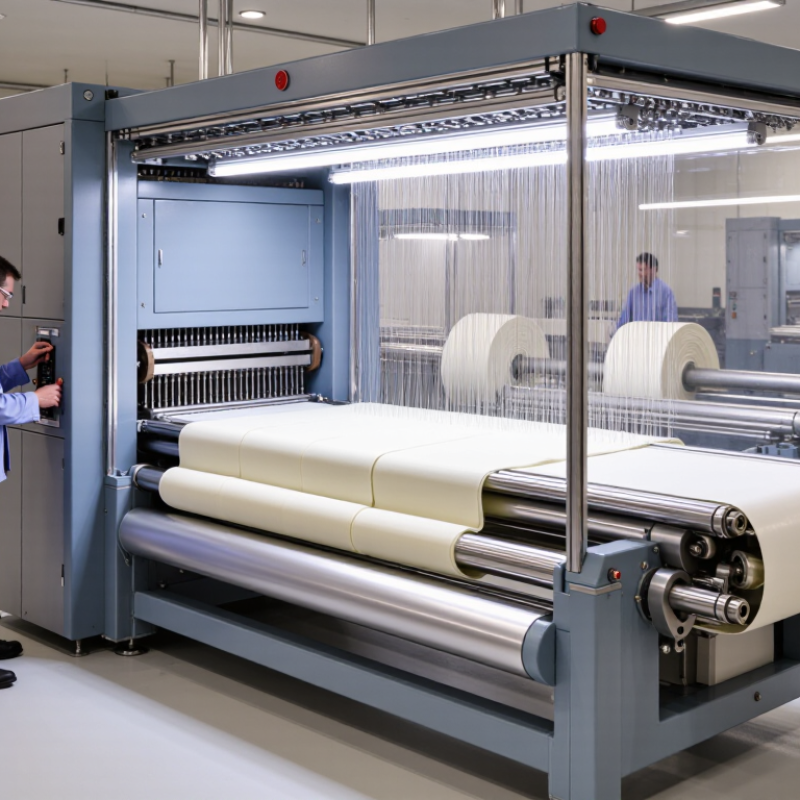
Choosing a frame knitting machine begins with a practical question: what must your production line achieve? This equipment can produce stable knitted structures with controlled width, repeatable tension, and consistent surface quality. For manufacturers handling collars, cuffs, technical fabrics, or shaped panels, these details matter every day. A skilled operator can adjust yarn tension, needle settings, and take-down speed while watching the fabric form across the needle bed. Small adjustments can prevent loose edges, uneven loops, and costly material waste.
Textile machinery expert Dr. Thomas Gries emphasizes a useful principle: “Technology creates value only when people, materials, and processes work together.” This idea explains why machine selection should not depend on speed alone. A frame knitting machine may improve productivity, but it still requires trained operators, reliable maintenance, suitable yarns, and realistic production planning. Before purchasing, buyers should examine gauge options, working width, automation functions, energy use, spare-part access, and after-sales support. A machine that looks impressive in a showroom may perform poorly with delicate yarn or frequent pattern changes.
The decision is not always simple. Some factories may need a more flexible system instead. Others may discover that operator training costs more than expected. That is worth admitting. A careful trial with actual yarn, fabric samples, and target production speeds can reveal problems early. When the equipment matches the product and the team understands its limits, a frame knitting machine becomes more than a production tool. It becomes a dependable part of a controlled, measurable, and continuously improving manufacturing process.
What Is a Frame Knitting Machine?
Why Choose a Frame Knitting Machine?
What Is a Frame Knitting Machine?
A frame knitting machine is a tool that forms fabric with rows of needles. It usually has a flat needle bed, a moving carriage, and yarn guides. The needle bed holds many latch needles in a fixed line. As the carriage moves, each needle catches yarn and creates a new loop.
This structure gives knitters more control than ordinary hand needles. Users can adjust stitch size, yarn tension, and fabric width with greater consistency. Some machines create plain fabric, while others support ribbing, tuck stitches, and textured patterns. The machine’s gauge determines which yarn thickness works best. Choosing the wrong yarn can cause dropped stitches or uneven edges.
From practical use, I find the learning process quite direct. Thread the yarn, set the needles, and move the carriage steadily. Small mistakes remain visible. A loose edge may curl, while uneven tension can produce stripes across the fabric. It is not magic. The operator still needs patience, careful measurements, and regular cleaning. I once expected speed to solve every problem, but rushed movements usually made the fabric worse. Frame knitting machines are useful for scarves, panels, garments, and sample swatches. Their real value lies in repeatable loops and controlled construction, not effortless perfection.
Why Choose a Frame Knitting Machine? - What Is a Frame Knitting Machine?
| Data Dimension | Typical Information | Why It Matters |
|---|---|---|
| Definition | A frame knitting machine is a flat-bed knitting device that holds needles in a rigid frame and forms fabric by passing yarn through the needle hooks. | It provides a more structured and repeatable knitting method than knitting entirely by hand. |
| Operating Method | Most traditional frame machines use a manually moved carriage or carriage-like mechanism. | The operator controls the knitting process while the frame keeps the needle arrangement stable. |
| Needle Bed | A single-bed frame creates mainly flat fabric; a double-bed frame can produce rib structures, tubular sections, and more complex shaping. | The number and arrangement of needle beds directly affect fabric structure and design possibilities. |
| Common Gauge Options | Common gauges include approximately 3.5 to 15 needles per inch, depending on the machine design. | A lower gauge generally suits thicker yarns, while a higher gauge is intended for finer yarns and lighter fabrics. |
| Compatible Yarn | Suitable yarn depends on the gauge, needle size, yarn thickness, fiber properties, and machine settings. | Correct yarn selection helps prevent dropped stitches, excessive tension, and uneven fabric. |
| Fabric Structures | Depending on the machine, users can produce plain knit, tuck, slip, rib, purl, striped, and selected pattern structures. | Different stitch structures allow the same machine to create fabrics with varied appearance, stretch, and thickness. |
| Typical Applications | Common applications include scarves, panels, sweaters, hats, accessories, samples, repairs, and small-batch textile production. | It is practical for customized items, prototypes, education, and production where flexibility is more important than full automation. |
| Production Control | The operator controls yarn feeding, carriage movement, stitch settings, shaping, and finishing steps. | Manual control makes it easier to adjust designs during sampling and small production runs. |
| Main Advantages | Lower operating complexity, direct operator control, pattern flexibility, relatively compact construction, and suitability for small quantities. | These advantages make frame knitting machines useful for workshops, classrooms, designers, and small manufacturers. |
| Limitations | Production speed depends on the operator, and complex patterns may require manual setup, transfers, or additional attachments. | It may be less suitable than fully automated equipment for high-volume, highly standardized production. |
| Power Requirement | Traditional manual models do not require electricity. Motorized versions require power according to their motor and control system. | Manual operation can reduce energy use and allows the machine to be used in locations without industrial power supplies. |
| Maintenance Needs | Regular cleaning, inspection of needles and sinkers, correct lubrication where specified, and checking carriage movement are generally required. | Routine maintenance helps reduce needle damage, uneven stitches, yarn breaks, and operating resistance. |
| Skill Level | Basic operation can be learned by beginners, while shaping, colorwork, tension control, and advanced stitch techniques require practice. | The machine supports gradual learning from simple fabrics to more complex knitted products. |
| Best Selection Criteria | Consider gauge, needle-bed type, working width, compatible yarn range, pattern functions, machine condition, spare parts, and operator skill. | Matching the machine to the intended yarn and product type improves fabric quality and operating efficiency. |
Related Posts
-
What Are the Top Jersey Knitting Machine Types in 2026?
-
10 Best Knitting Machine Models for Global Buyers?
-
10 Best Knitting Machines for Beginners in 2026?
-
7 Tips for Choosing the Best Knitting Machine for Home
-
2026 Top Knitting Machines for Home Use Which One Should You Choose?
-
What is a Knitting Machine and How Does It Work?