Why Choose a Knitting Machine for Your Business?
Choosing a knitting machine for your business is a practical decision, not simply a way to make more fabric. The right equipment can help you repeat patterns, manage production, and respond to customer orders with greater consistency. For a small studio, that may mean producing several matching scarves without hand-knitting every row. For a larger workshop, it could mean planning dependable runs while preserving time for sampling and quality checks.
The machine must suit the products you actually sell. Gauge, yarn compatibility, fabric width, setup time, and operator training all affect daily work. Ask suppliers for clear specifications and, where possible, test your own yarn before committing. A fast machine is not automatically a good investment. Not always. Maintenance, replacement parts, and occasional downtime belong in the cost calculation too. Small details count.
The phrase “knitting machine knitting machine” may look repetitive, but the broader point is simple: equipment should support a real production need. Compare output claims with sample fabrics and realistic shift conditions. Start with samples. Consider who will operate the machine, how quickly they can learn it, and whether local service is available. A careful choice can improve consistency and reduce some repetitive labor, though it will not remove every production challenge. There is room for doubt here; projected savings often depend on workflow, order volume, and skill. This outline explores the business benefits, key selection factors, and trade-offs worth reviewing before you buy.
Knitting Machines Explained: Weft, Warp, Flatbed, and Circular Systems
Why Choose a Knitting Machine for Your Business?
Knitting Machines Explained: Weft, Warp, Flatbed, and Circular Systems
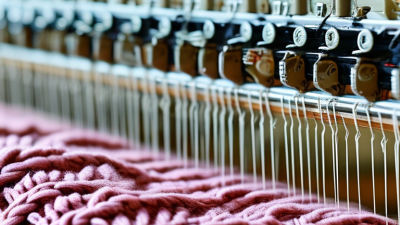
The key distinction is how each system forms loops. Weft knitting feeds yarn across the fabric; warp knitting forms loops lengthwise, often using many yarns at once. Textile Exchange’s 2024 Materials Market Report estimates global fiber production reached 124 million tonnes in 2023, with production projected to reach about 160 million tonnes by 2030. More material means opportunity, not guaranteed orders.
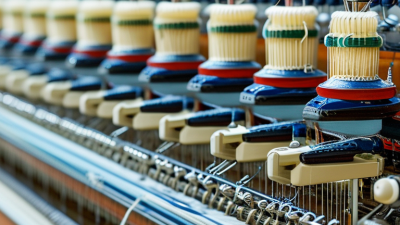
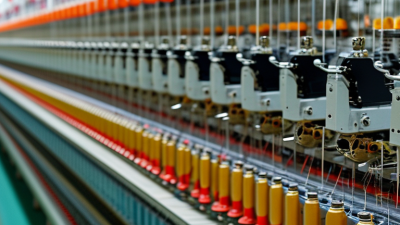
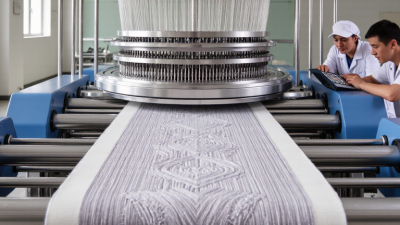
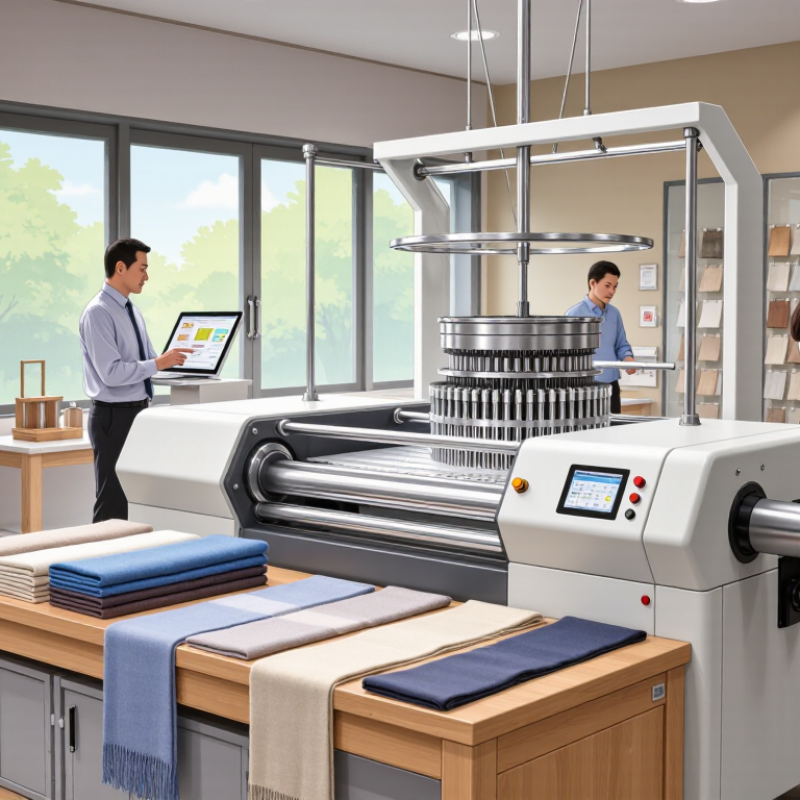
Circular machines produce continuous fabric tubes, making them suitable for high-volume jersey and rib. Flatbed machines create shaped panels and support details such as collars, ribs, and color patterns. Both are commonly weft-knitting systems; flatbed and circular describe machine configurations, not a separate loop-forming principle. Warp systems can produce stable fabrics efficiently, but their yarn setup and fabric range differ. Fit matters.
For a business, compare the fabric sample, target output, yarn changes, and operator skill before choosing. A machine rated for speed may not deliver useful output when designs change often. That trade-off is not always neat. ITMF’s International Textile Machinery Shipment Statistics tracks shipments by machinery category, a useful reminder to compare like with like—not treat all knitting equipment as interchangeable.
Market Scale: Textile Exchange Reports 124 Million Tonnes of Fiber in 2023
Textile Exchange’s Materials Market Report 2024 estimates that global fiber production reached 124 million tonnes in 2023. Polyester accounted for about 57% of that volume, showing how much material flows through textile supply chains. Scale matters. But it does not guarantee demand for every knitted product. A business still needs to match yarn, fabric structure, and order size to real customer needs.
A knitting machine can help convert that broad fiber supply into specific fabrics, from lightweight jersey to ribbed cuffs. Before investing, test sample swatches with the yarns you expect to buy. Check stitch consistency, fabric weight, machine gauge, and waste from setup. Small trials reveal costly surprises. The 124-million-tonne figure describes fiber production, not machine sales or knitwear demand; treat it as market context, not a sales forecast. Textile Exchange’s report also shows why material choice deserves attention: polyester dominates production, while buyers may ask for other fibers or recycled content. That can complicate sourcing. Build flexibility into planning, but verify supplier specifications and customer interest before committing to large production runs.
Product Fit: Match Machine Type, Gauge, and Materials to Customer Demand
A knitting machine should fit the products customers actually order, not just the items that look impressive in a sample room. A flatbed machine can shape panels for sweaters, scarves, and textured pieces. A circular machine is often better suited to continuous tubes, such as simple hats or seamless components. Match the machine type to your product range and expected batch size. That sounds obvious. Yet a fast machine can still be the wrong choice if your customers want intricate shaping or frequent design changes.
Gauge affects both appearance and production planning. A finer gauge creates lighter, closer-knit fabric, while a coarser gauge produces a more open, substantial texture. Materials matter too: wool, cotton, and synthetic yarns can behave differently under tension, and not every yarn runs smoothly through every setup. Check the yarn’s stated thickness, then knit samples and inspect their stretch, hand feel, and consistency. Small batches first. A fabric swatch may look good on a table but feel too heavy when worn. It is tempting to choose for speed alone; I would compare usable output, changeover time, and sample quality before committing. Some details only become clear after a few imperfect runs.
Business Costs: Compare Output, Labor, Energy Use, and Changeover Time
Why Choose a Knitting Machine for Your Business?
Business Costs: Compare Output, Labor, Energy Use, and Changeover Time
A knitting machine can raise production, but the purchase price is only one part of the cost. Compare saleable items per shift, not theoretical machine speed. Track setup, inspection, and finishing time too. One operator may oversee several machines, yet busy periods can still require hands-on adjustments. Energy costs depend on machine settings, runtime, and idle periods. Changeovers also matter: switching yarn, gauge, or pattern can pause production and leave material unused. Small details matter.
A useful comparison starts with a short production trial using the yarn and designs you expect to run. Record output, operator minutes, electricity use, rejected pieces, and changeover time. Then calculate cost per saleable item. A spreadsheet may look precise, but one difficult yarn or a small batch can change the result. Check more than one shift before making a decision.
Tips: Log machine start and stop times, including setup. Compare similar products and batch sizes. Ask operators where adjustments interrupt their work. Keep one trial imperfect; real production rarely follows a tidy estimate.
Why Choose a Knitting Machine for Your Business? — Business Costs: Compare Output, Labor, Energy Use, and Changeover Time
Illustrative business-cost comparison of knitting production methods
| Production Method |
Estimated Output
per 8-Hour Shift |
Operator Labor
Hours per Unit |
Labor Cost
per Unit |
Electricity Use
per Shift |
Electricity Use
per Unit |
Energy Cost
per Unit |
Typical Style
Changeover Time |
| Hand knitting |
1 unit |
8.00 hours |
$160.00 |
0 kWh |
0 kWh |
$0.00 |
About 10 minutes |
| Manual flat-bed knitting machine |
3 units |
2.67 hours |
$53.33 |
0 kWh |
0 kWh |
$0.00 |
About 20 minutes |
| Semi-automatic flat knitting machine |
8 units |
1.00 hour |
$20.00 |
2.4 kWh |
0.30 kWh |
$0.05 |
About 30 minutes |
| Computerized flat knitting machine |
20 units |
0.40 hour |
$8.00 |
8.0 kWh |
0.40 kWh |
$0.06 |
About 45 minutes |
Planning example: Figures are illustrative estimates for one operator producing the same standard item during an 8-hour shift; output excludes style-changeover downtime. Labor cost assumes $20 per operator-hour, and electricity cost assumes $0.15 per kWh. Actual results vary with garment design, stitch complexity, machine settings, operator skill, and local utility rates. Changeover includes typical setup or program adjustment, not machine purchase, maintenance, materials, or overhead.
Environmental Context: UNEP Estimates Textiles Cause 2–8% of Global Emissions
UNEP estimates that textiles generate 2–8% of global greenhouse gas emissions. The range is broad, reflecting differences in materials, manufacturing, transport, and accounting methods. It is a serious signal, not a precise footprint for every product. For a knitting business, it makes production choices worth measuring.
A knitting machine can produce shaped panels or whole garments, which may reduce offcuts compared with cutting fabric from larger sheets. Less cutting waste. But the machine itself does not guarantee lower emissions. Electricity use, yarn type, machine settings, and rejected samples all matter. A poorly planned run can leave cones of unused yarn beside a warm, idle machine. Track yarn input, finished output, scrap, and energy use for each style. Check whether local electricity is emissions-intensive, and consider garment lifespan: a durable item worn often may offer more value than a lighter one quickly discarded. These records take time, and small workshops may not have perfect data. Note estimates honestly, including what remains uncertain, before making environmental claims.
Why Choose a Knitting Machine for Your Business?
Textiles’ estimated share of global greenhouse gas emissions highlights the importance of considering resource efficiency in production.
UNEP estimates that textiles account for 2–8% of global greenhouse gas emissions. The range reflects differences in the scope and methods used for estimates.